
Catch and release is standard practice on most quality trout fisheries. It’s required by regulation on many premium waters and it’s the ethical choice on all wild trout fisheries. Done correctly, catch-and-release mortality rates are below 5% — the fish you release swims away, grows bigger, spawns, and someone else catches it later. Done incorrectly — keeping fish out of water too long, squeezing them, handling with dry hands — survival drops dramatically.
A lot of what makes catch-and-release effective is just doing less. Less handling, less air time, less tissue damage. The fish doesn’t need you to do anything heroic; it just needs you to get out of its way quickly.
The One Rule That Trumps Everything
Keep the fish in the water as much as possible. A trout out of water is suffocating. Every second counts. If you need to photograph the fish, have your camera out and ready before landing, not after. Limit air time to under 10 seconds when possible, never more than 20.
If someone needs to go get the camera out of a backpack, the fish is already dying in your hand. Better to release without a photo than kill the fish getting one.
Gear for Better Catch and Release
Barbless hooks: The most effective tool for reducing handling time. You can crimp the barb with pliers in three seconds — takes the barb down without changing hook-holding ability for most fish. Many premium trout waters require barbless hooks, and even where they don’t, using barbless dramatically reduces handling time and hook damage.
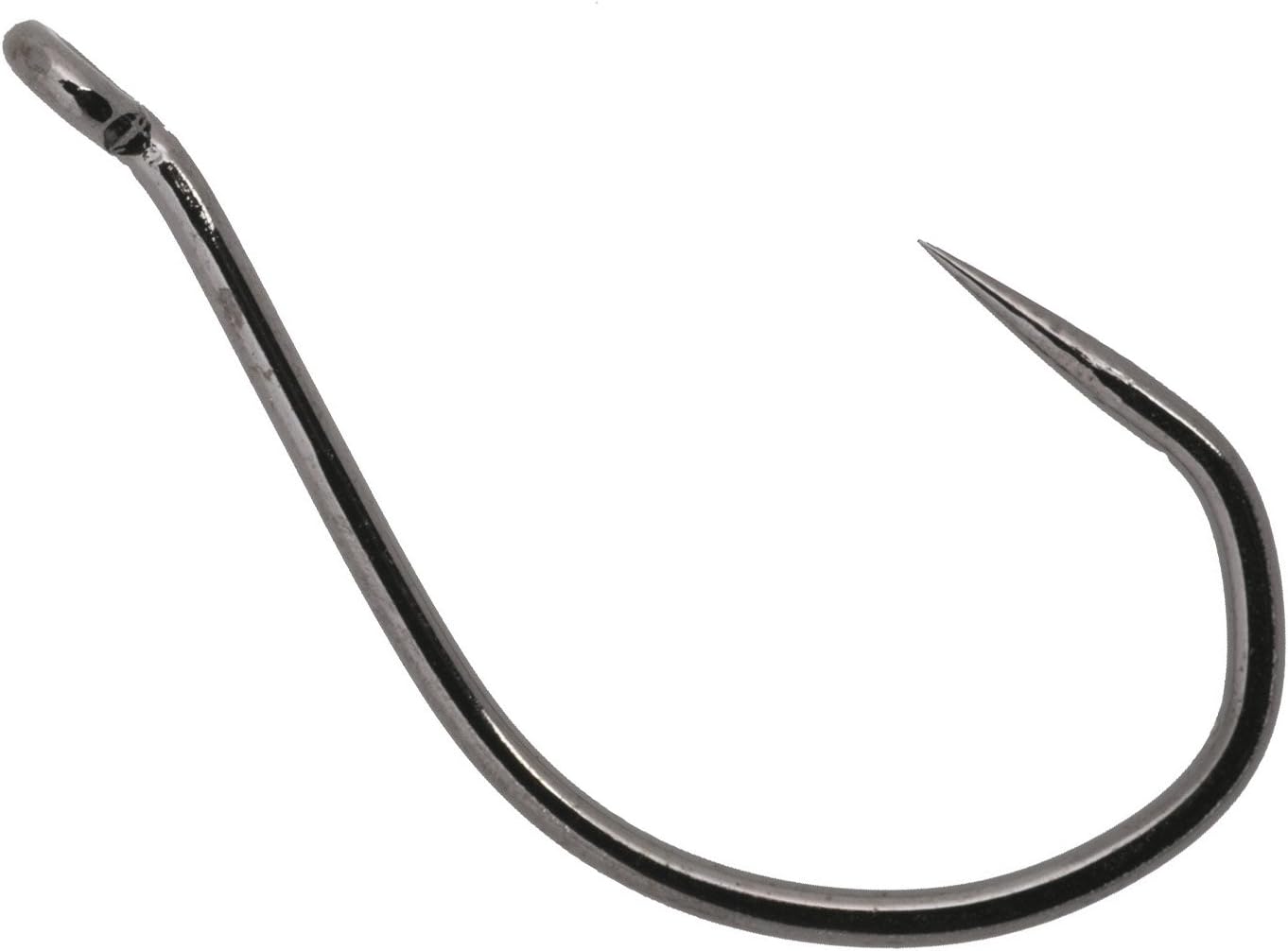
➜ Owner Barbless Trout Hooks — Buy on Amazon
Rubber mesh net: Knotted nylon nets (the old-style) remove the slime coat that protects fish from disease and fungal infection. Rubber mesh nets allow safe landing without damaging the slime coat. If you’re fishing for fun and releasing most fish, a rubber mesh net is non-negotiable gear.
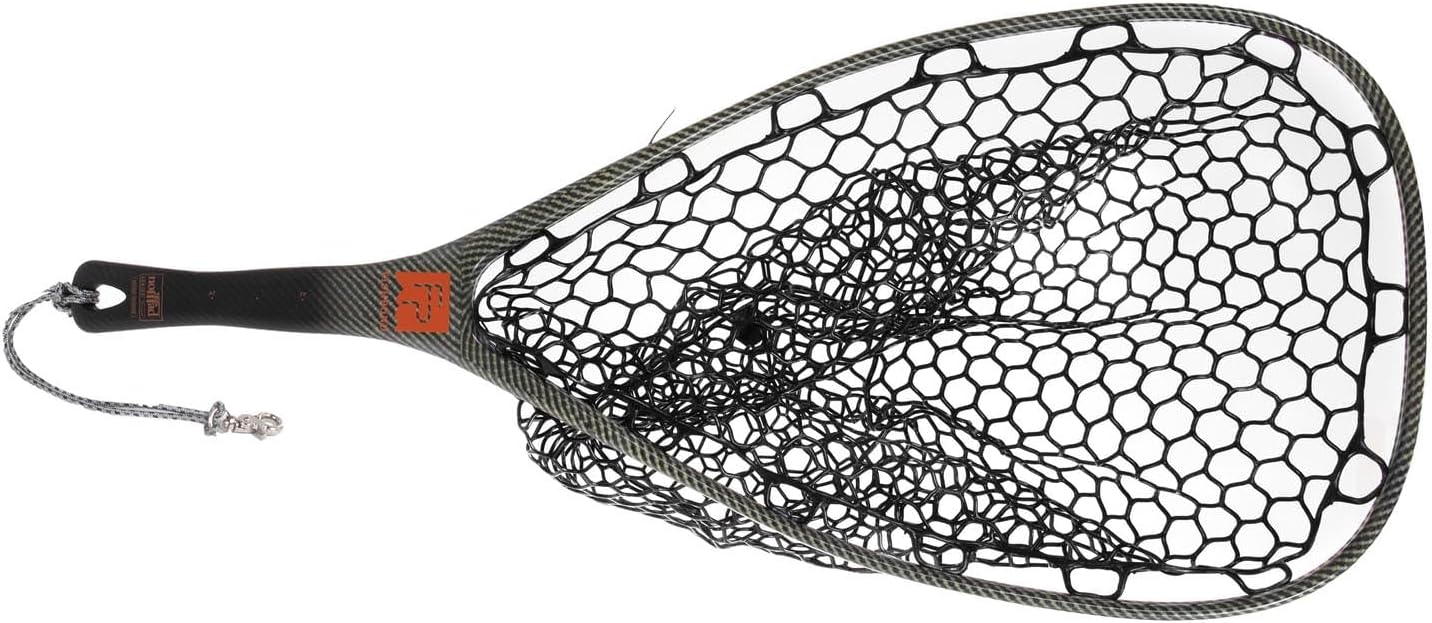
➜ Fishpond Nomad Rubber Net — Buy on Amazon
Forceps/hemostats: For quick hook removal without prolonged handling. A good pair of forceps reaches deep hooks you can’t reach with fingers and provides leverage to back hooks out cleanly.
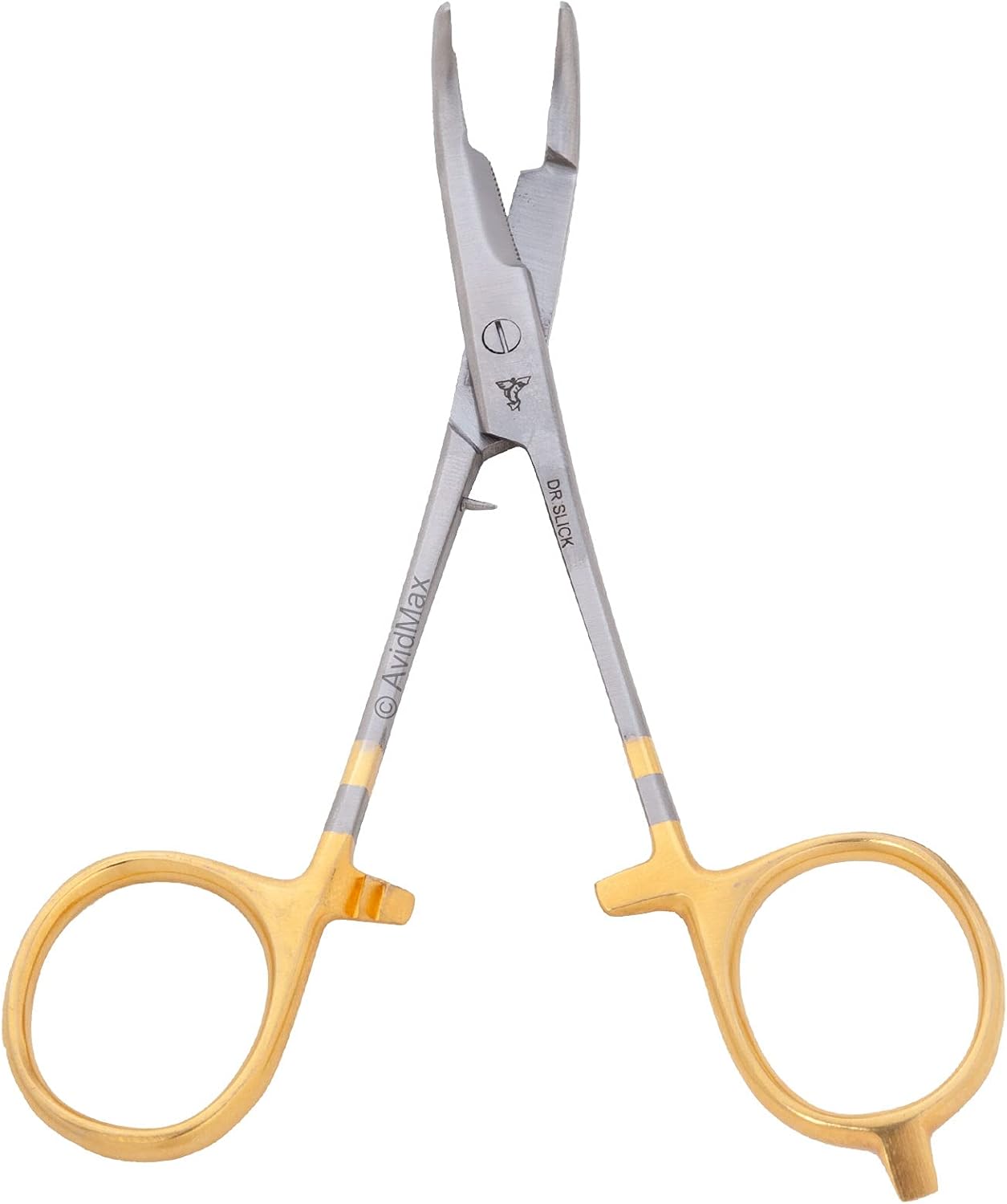
➜ Dr. Slick Curved Forceps — Buy on Amazon
Landing Trout for Release
Fight the fish as quickly as you reasonably can. A long, exhausting fight is one of the biggest contributors to post-release mortality — a spent fish might swim away and then die from lactic acid buildup hours later. Fight firmly with appropriate tackle; don’t play fish to complete exhaustion.
When the fish is ready to land:
- Use the net — don’t beach the fish or drag it over rocks
- Keep the fish in the water in the net while you remove the hook
- Never squeeze the fish or hold it vertically by the lower jaw
- Wet your hands before touching the fish — dry hands remove the slime coat
- Support the fish horizontally — one hand under the belly, one near the tail
- If you must lift it for a photo, keep the fish low over water so a drop is short
Hook Removal
With barbless hooks, most trout can be released without touching them at all. Invert the net so the hook falls out, or use forceps to back the hook out while the fish stays in the net.
With barbed hooks, use forceps to back the hook out along the path it entered. Don’t tear — if it’s deeply set, work it out gently rather than forcing it.
If a hook is swallowed deeply: cut the leader as close to the hook as possible and release the fish. The hook will rust out faster than you think — typically in a couple of weeks — and the fish has a much better chance of survival than if you try to extract a deeply-hooked fly or lure. Trying to remove a swallowed hook often kills the fish even when you get the hook out.
Reviving and Releasing
Hold the fish gently upright in the current, facing upstream so water flows through its gills. Support loosely — don’t grip or squeeze. The fish is ready to release when it actively tries to swim away from your hand. Don’t release until that point, even if it takes several minutes.
One note worth making: the old technique of moving the fish back and forth to “pump water through the gills” is actually counterproductive. Holding still and letting the fish breathe naturally works better. Fish gills are designed for forward-moving water; swishing back and forth is just stressful.
If the fish keeps tipping sideways or goes belly-up, it’s not ready. Keep supporting it until it rights itself and swims off on its own.
Water Temperature Matters
Trout catch-and-release survival drops sharply as water temperature rises. Above 68°F, stress increases significantly. Above 72°F, mortality climbs even when you do everything right. When water is warm, consider stopping fishing entirely rather than catching-and-releasing fish that won’t survive.
A stream thermometer is cheap insurance. Check the water temperature before you start. If it’s borderline, fish only in the coolest morning hours and stop when it warms up.

➜ Stream Thermometer — Buy on Amazon
Photos Worth Having
A good release photo is possible without killing the fish. Key principles:
- Have the camera or phone out and ready before you land the fish
- Keep the fish low, over water
- Wet hands always
- One photo. Not ten. Not a reshoot.
- Back in the water within 10 seconds
The photo of a fish still in the net with just the head showing is often better than a “hero grip” photo anyway. Shows the fish in its element, demonstrates the release, and takes zero air time. Those are the best fishing photos I have.
Frequently Asked Questions
What percentage of released trout survive?
Under normal conditions with proper handling, survival rates exceed 95%. Specific conditions (warm water, exhaustive fights, deep hooking, rough handling) can drop that significantly. The numbers in peer-reviewed studies consistently show that good handling keeps mortality very low.
Should I use barbless hooks?
Yes, on any water where you plan to release fish. They reduce handling time, reduce injury, and are required on many premium fisheries. Crimping barbs on regular hooks takes three seconds with pliers.
Does it hurt trout to be caught?
Fish feel stress and tissue trauma, though their pain perception is different from mammals. The responsible thing is to minimize stress and handling regardless of the exact answer to that question — less handling, less trauma, higher survival.
Can I keep a fish that swallowed the hook?
If you’re legally allowed to keep it and plan to, yes. If you’re releasing it, cut the leader close to the hook and release — don’t try to extract a deeply-swallowed hook. The fish has a much better chance with the hook in place than it does with you digging around to get it out.
What should I do if a released fish floats belly-up?
Pick it up, hold it upright facing into the current, and continue supporting it until it recovers. If it doesn’t recover after several minutes of revival, the fish may not make it — warm water, long fight, or other stress may have been too much. Keep the fish if legal to avoid waste.
Related Guides
- Trout Fishing Regulations
- Fly Fishing for Trout
- Complete Trout Fishing Guide
- Best Times to Fish for Trout
About the Author
By Kenny — SoCal angler who learned trout fishing during college years in Fort Collins, Colorado (Poudre, Horsetooth, Estes Park) and now fishes the Sierras and SoCal lakes with my daughter Scarlett. No steelhead or salmon yet, and no ice fishing — those are on the list.
Affiliate Disclosure: As an Amazon Associate, troutfishing-hq.com earns from qualifying purchases. Links to Amazon on this page are affiliate links — if you click and buy, we may earn a small commission at no extra cost to you.