
Lake trout are the deepest-dwelling, longest-lived, and largest of the North American trout species. They live where most trout can’t — cold water 50 to 100+ feet down in big lakes and northern waters — and reaching them requires understanding the water column and presenting lures at precise depths. Solve that puzzle and you have access to fish that grow to extraordinary sizes and live for decades.
I’ve fished lake trout on Horsetooth Reservoir in Colorado back in college, and I’ve done plenty of deep trolling for other species on Lake Isabella in the Sierras. The techniques transfer — if you understand how to get a lure to depth and keep it there, you can catch lake trout anywhere they live.
Lake Trout Habitat
Lake trout require cold water — below 55°F is the rule. In summer, that means they drop deep: 50–100+ feet in most of their range, following the thermocline down. In spring and fall when the surface water is cold, they move shallow (10–40 feet) and feed aggressively near shore. Ice-out and the weeks just after are the most productive times for shallow-water lake trout fishing in the year.
Structure matters. Deep rocky points, underwater humps, drop-offs from shoreline, and submerged islands are all primary feeding areas. Lake trout are ambush predators despite their size — they hold on structure and intercept baitfish passing by. A featureless basin holds fewer fish than the same basin with a rocky hump rising from the bottom.
Trolling for Lake Trout
Trolling is the most efficient method for covering water at the right depth. The key is getting your lure to the exact depth where fish are holding. A fish finder is essential for this — you’re looking for fish marks at a specific depth, then adjusting your presentation to match.
Depth Control Methods
Downriggers — the most precise depth control tool. A cannonball lowered on a cable holds your line at an exact depth. Line clips to the cannonball with a quick-release; when a fish strikes, the line pops free and you fight the fish on a slack line.
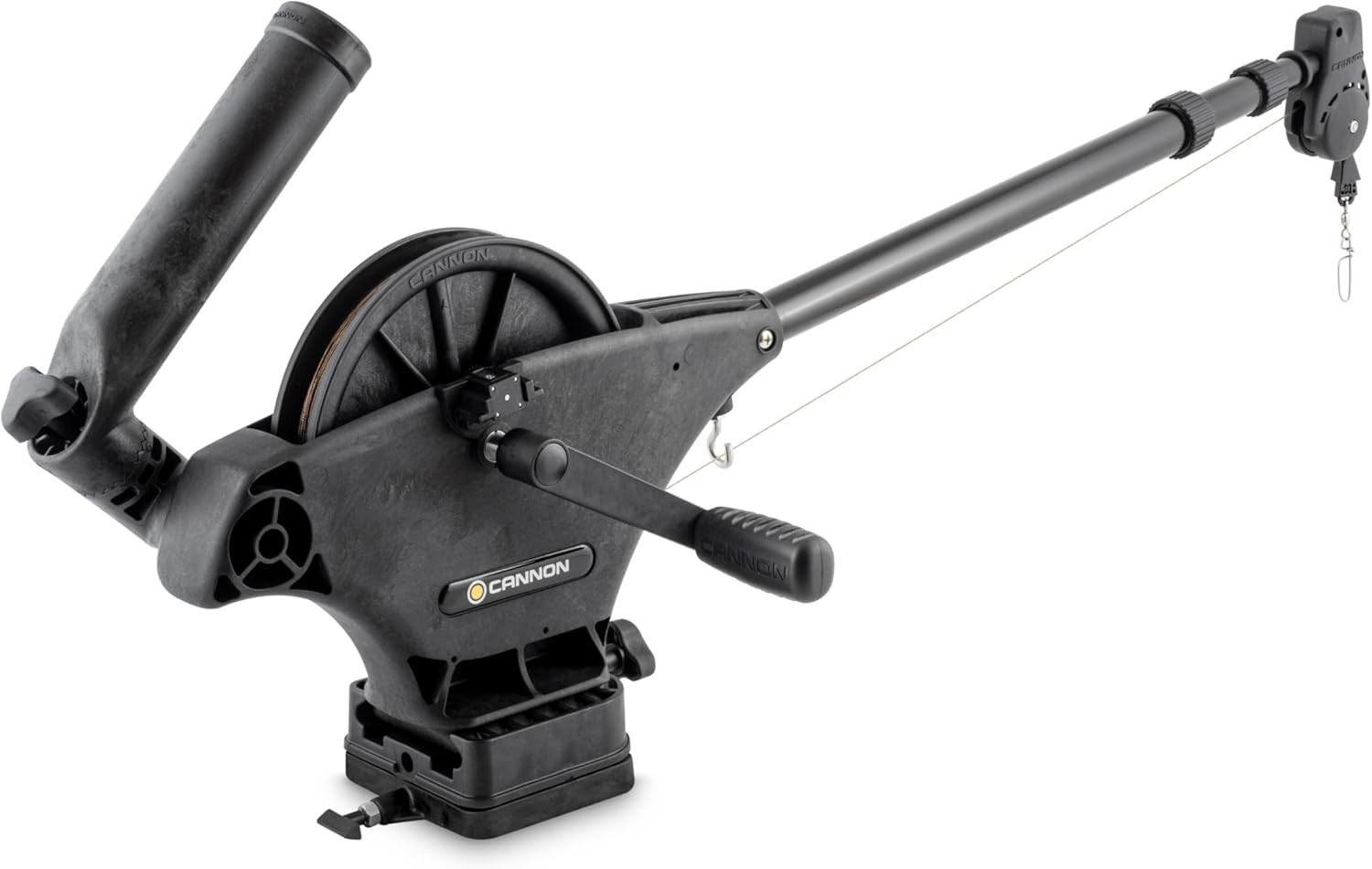
➜ Cannon Uni-Troll Manual Downrigger — Buy on Amazon
Lead core line — a sinking line built into your mainline that sinks at a predictable rate (approximately 5 feet per 10-yard color segment). Less precise than downriggers but much cheaper and works well for fish holding at moderate depths (20–40 feet).
➜ Sufix Lead Core Trolling Line — Buy on Amazon
Trolling Lures
Spoons — the most universally effective lake trout trolling lure. Classic Great Lakes patterns work wherever lake trout swim. The side-to-side wobble at 1.5–2 mph imitates a wounded baitfish, which is what lake trout key in on.
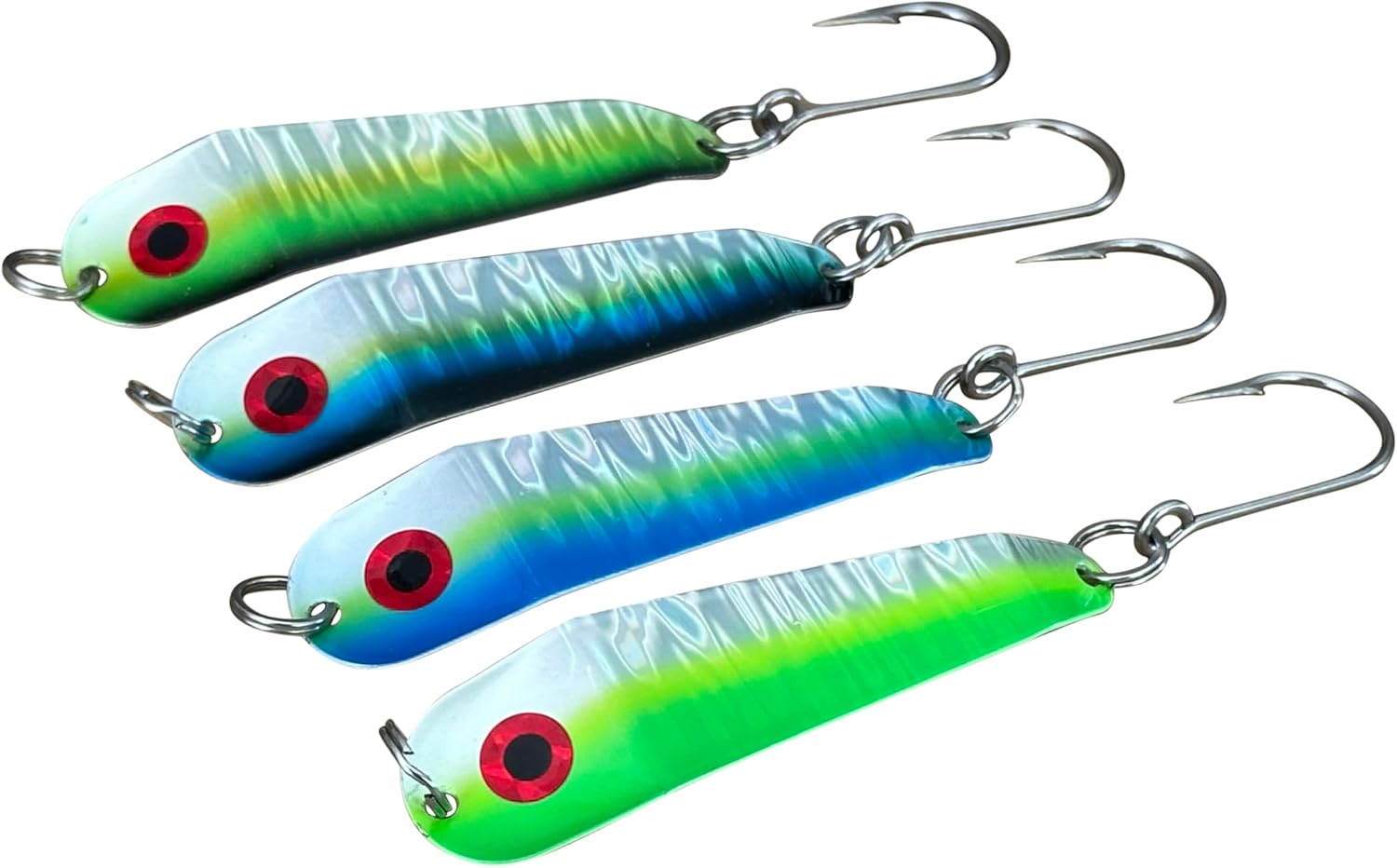
➜ Loony Trolling Spoon — Buy on Amazon
Trolling speed matters — lake trout prefer slower presentations than rainbows or browns. 1.5–2 mph is the typical range. Faster than that and you’re wasting water.
Jigging for Lake Trout
Heavy jigging spoons (1–3 oz) dropped to the bottom and worked with a lift-drop cadence produce aggressive strikes. Jigging is especially effective when fish are concentrated on specific structure — tightly schooled on a deep rock pile, for example. You can work the exact spot where fish are holding without having to cover water by trolling.
Jigging is also the primary method for Great Lakes tributary fishing in spring and fall, when lake trout follow baitfish into shallower water and can be caught from boats in 20–50 feet.
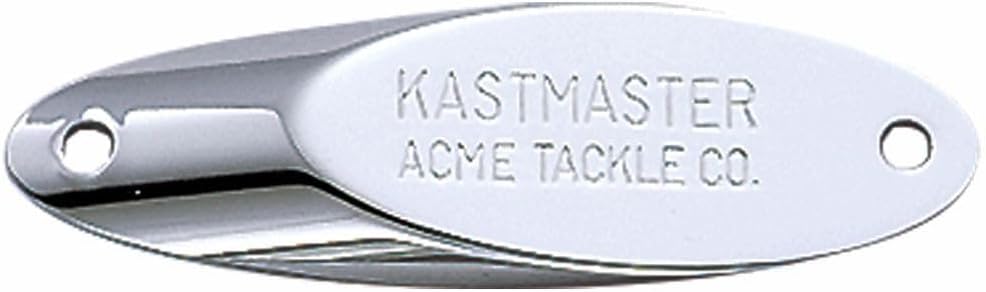
➜ Acme Kastmaster 1oz Jigging Spoon — Buy on Amazon
Lake Trout Gear
Trolling rod: 8–10 foot medium-heavy rated for 15–30 lb line. Longer rods spread out a multi-rod trolling spread without tangles; the heavier power handles big fish at depth.
➜ Ugly Stik Tiger Trolling Rod — Buy on Amazon
Level-wind reel with line counter — line counters are genuinely useful for lake trout trolling because you can repeat productive depths exactly. Find the depth that’s producing, and every subsequent pass puts your lure right in the strike zone.
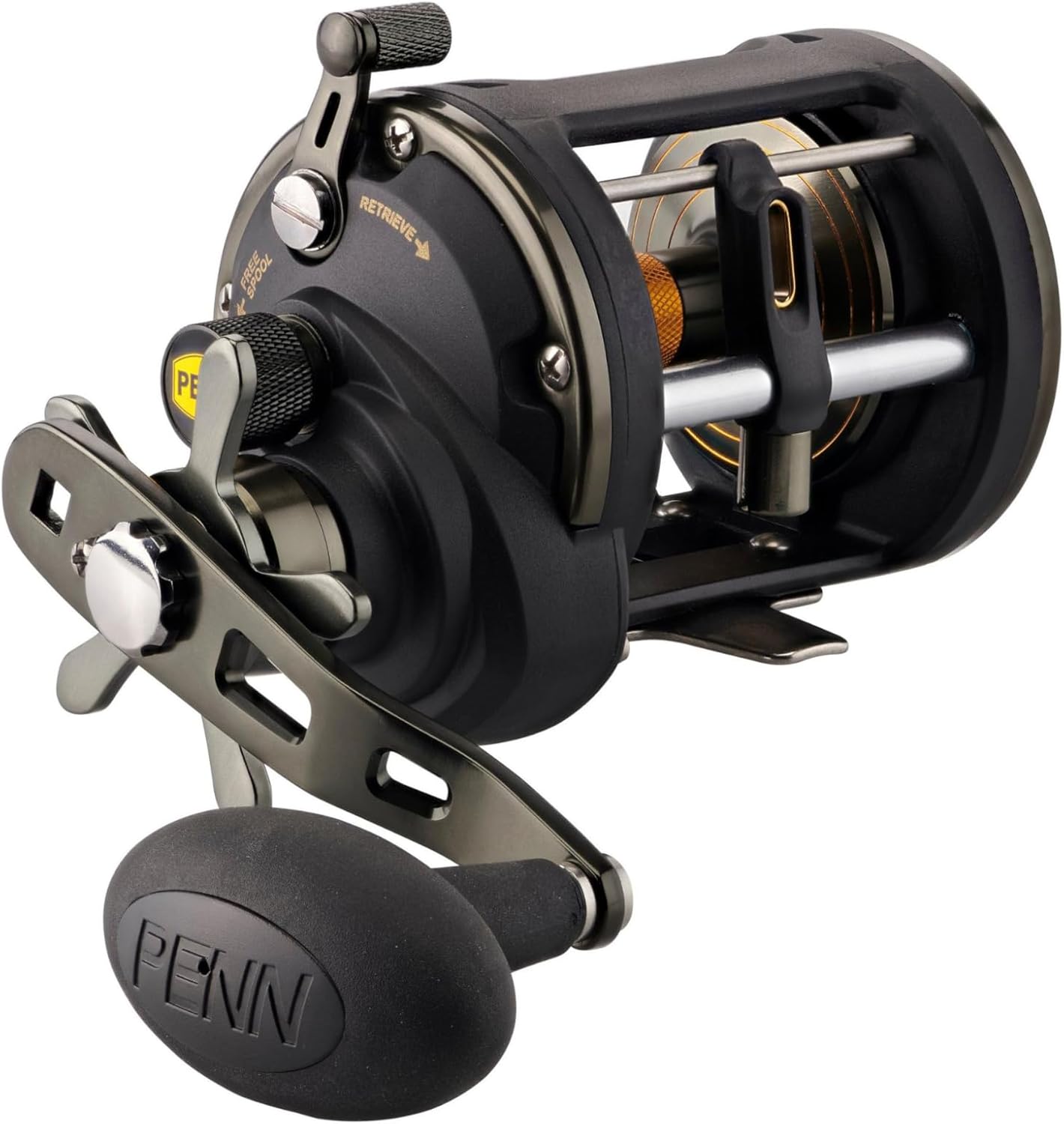
➜ Penn Squall Level Wind Reel — Buy on Amazon
Reading Electronics for Lake Trout
Fish finders are critical for lake trout fishing. You’re not fishing the shoreline — you’re fishing a specific depth in open water. Without electronics you’re guessing.
What to look for:
- Fish arcs at consistent depth — that’s your target depth for trolling
- Baitfish schools — big schools attract predators
- Bottom structure — rocky humps, points, drop-offs
- Temperature breaks — the thermocline shows up as a distinct layer on many electronics
Once you find fish at a depth, match your presentation to that depth and work the area. Lake trout often school, so where you find one there are usually more.
Best Lake Trout Destinations
- Lake Superior — largest of the Great Lakes; excellent lake trout fishing year-round
- Lake Michigan — recovering population; good spring trolling near tributary mouths
- Great Bear Lake, NWT — world-record lake trout water in remote northern Canada
- Lake Nipigon, Ontario — legendary trophy lake trout; 40+ pound fish are genuine targets
- Flaming Gorge Reservoir, Utah/Wyoming — outstanding lake trout fishery in the West
- Lake Champlain, Vermont/New York — accessible lake trout fishing for East Coast anglers
- Yellowstone Lake, Wyoming — lake trout targeted for removal because they prey on native cutthroat; bag limits are generous
Ice Fishing for Lake Trout
In northern states, ice fishing opens up lake trout access that would require deep-water boat trolling in summer. Ice fishing is an entire specialty in itself — I haven’t done it (not much ice in SoCal), but from what I’ve read, it produces some of the biggest lake trout of the year as fish move shallower under the ice. See our ice fishing for trout guide for details.
Frequently Asked Questions
How deep do lake trout live?
In summer, commonly 50–100+ feet, following water below 55°F. In spring and fall they move to 10–40 feet. During ice-out and late ice, they can be caught in the top 20 feet.
What’s the best time of year for lake trout?
Spring and fall are consistently the best — water is cold enough that lake trout are shallow and aggressive. Summer fishing requires reaching them at depth. Ice fishing in northern states produces excellent fish in winter.
How long do lake trout live?
30+ years has been documented. Slow growth means a 20-pound fish might be 20 years old. This is why over-harvest is such a concern — populations recover slowly.
What do lake trout eat?
Primarily other fish — smelt, cisco, alewife, whitefish depending on the water body. Also insects and crustaceans when younger. They’re opportunistic predators.
Are lake trout good to eat?
Yes, but the flavor varies. Lake trout from cold, clear, oligotrophic lakes (typical northern lakes) tend to be excellent. Fish from warmer or more productive waters can have a stronger flavor. Check mercury advisories — some Great Lakes populations have consumption limits.
Related Guides
About the Author
By Kenny — SoCal angler who learned trout fishing during college years in Fort Collins, Colorado (Poudre, Horsetooth, Estes Park) and now fishes the Sierras and SoCal lakes with my daughter Scarlett. No steelhead or salmon yet, and no ice fishing — those are on the list.
Affiliate Disclosure: As an Amazon Associate, troutfishing-hq.com earns from qualifying purchases. Links to Amazon on this page are affiliate links — if you click and buy, we may earn a small commission at no extra cost to you.