Category: Species Guides

Species Guides

  • Alaska Trout Fishing Guide: Trophy Rainbows & Wild Rivers

    Alaska Trout Fishing Guide: Trophy Rainbows & Wild Rivers

    Alaska is the ultimate bucket-list trout destination — rainbow trout growing to 30 inches feeding on sockeye salmon eggs in gin-clear rivers surrounded by mountains, wildlife, and some of the last pristine wilderness on the continent. Nowhere else on earth do wild rainbows grow this consistently large, in settings this remote and spectacular.

    Honest disclosure: I haven’t fished Alaska. It’s the trip I most want to make that I haven’t yet — a week on the Kvichak or Alagnak with a spey rod and a pile of egg patterns is one of my fishing goals. This guide is built from research, Alaska lodge operators, and trip reports from anglers who’ve made the trip. Real personal content will come when I finally go.

    Why Alaska Produces Trophy Rainbows

    Alaska rainbows grow extraordinarily large because of one primary food source: salmon eggs. The state has the largest remaining wild salmon populations in the world. When salmon run up rivers to spawn, they leave behind billions of eggs. Rainbows that live in salmon rivers grow to sizes impossible anywhere else — 24–30 inch fish are common at top Bristol Bay lodges, and fish over 32 inches exist in some rivers.

    The salmon connection drives everything about Alaska rainbow fishing. Timing revolves around salmon runs. Primary fly patterns imitate salmon eggs or decomposing salmon flesh. The biggest fish feed hardest during and after peak salmon spawning. Understanding salmon cycles is Alaska rainbow fishing.

    Bristol Bay Region

    The rivers flowing into Bristol Bay — the Naknek, Kvichak, Nushagak, Wood, Alagnak, and dozens of others — are by reputation the finest trophy rainbow trout waters in the world. Most are accessible only by floatplane. Fishing lodges in the King Salmon and Dillingham area provide access to multiple rivers by daily floatplane flights. This is not budget fishing — expect $4,000–$8,000 per person per week for a lodge trip including floatplane access, meals, and guiding. Premium operations run significantly higher.

    Key Bristol Bay rivers:

    • Kvichak River — one of the most consistent trophy rainbow fisheries in the world
    • Naknek River — road-accessible from King Salmon; popular for its accessibility
    • Alagnak River — remote, excellent mid-August to late September
    • Nushagak River — long river with varying sections
    • Wood River — exceptional mouse fishing in late summer

    Kenai Peninsula — The Accessible Option

    More accessible than Bristol Bay with drive-to access from Anchorage. The Kenai River holds large rainbow trout and Dolly Varden alongside the famous king salmon runs. The Russian River confluence with the Kenai produces outstanding summer fishing during sockeye runs. Kenai Peninsula is the most practical Alaska destination for most anglers on a standard budget — you can fly to Anchorage, rent a car, and drive to productive water in a few hours.

    Key Kenai Peninsula waters:

    • Kenai River — big fish, multiple runs of salmon, rainbow and Dolly Varden
    • Russian River — Kenai tributary; famous sockeye combat fishing and excellent rainbow water
    • Kasilof River — smaller alternative to the Kenai with good fishing

    Best Alaska Trout Timing

    June–July: Early season. Rainbows are post-spawn and recovering. Kings (chinook salmon) running in June trigger early feeding activity. Water is often still high from spring melt on many rivers. Good but not peak.

    August–September: Peak season. Sockeye salmon spawning produces the salmon-egg bonanza that drives trophy rainbow feeding. Best egg-pattern and flesh-fly fishing of the year. Also the best dry fly and mouse pattern fishing. This is when the trophy fish are caught.

    October: Late season. Trophy fish in peak fall condition. Coho salmon still running. Best mouse fishing of the year — large foam surface patterns stripped across the surface produce violent strikes from large rainbows. Weather can turn quickly; trips get shortened by conditions.

    The consensus from most Alaska guides: early September is the best single window for trophy rainbow fishing. Salmon spawning is peak, weather is still manageable, and crowds are well past their August peak.

    Best Flies for Alaska Trout

    Egg patterns are essential — Glo Bugs and McFly Foam eggs in chartreuse, orange, and peach imitate sockeye eggs. This is the single most important fly category for Alaska rainbow fishing.

    ➜ Glo Bug Egg Fly Assortment — Buy on Amazon

    Flesh flies imitate decomposing salmon flesh — an important food source in the fall run. Cream and pink flesh patterns in various sizes.

    ➜ Flesh Fly Streamer Assortment — Buy on Amazon

    Large Woolly Buggers in black and olive for aggressive fish and low-light conditions. Also effective for Dolly Varden and Arctic char.

    ➜ Woolly Bugger Streamer Assortment — Buy on Amazon

    Mouse patterns — large foam mouse imitations fished on the surface. Late summer and fall on many rivers. One of the signature Alaska fishing experiences.

    Planning an Alaska Trip

    Alaska trout fishing ranges from budget-friendly (road-accessible Kenai, self-guided, camping) to world-class luxury ($10,000+ lodge weeks with floatplane access to multiple rivers daily).

    Budget approach ($1,500–3,000):

    • Fly to Anchorage, rent a car
    • Kenai Peninsula base (Soldotna, Cooper Landing)
    • Mix of self-guided and half-day guided fishing
    • Motel or camping accommodations

    Mid-range approach ($4,000–6,000):

    • Bristol Bay “standard” lodge week with guided fishing
    • Floatplane access to 3–5 rivers during the week
    • Meals and lodging included
    • Group trips typically 4–8 anglers

    Premium approach ($8,000–15,000+):

    • Top Bristol Bay lodges with exclusive river access
    • Smaller guide ratios (1:1 or 1:2)
    • Remote fly-out trips
    • Consistent shot at trophy fish

    Book an Alaska Fishing Trip

    ➜ Browse Alaska Fishing Trips and Guided Charters — Viator

    Frequently Asked Questions

    How big do Alaska rainbow trout get?

    Bristol Bay rainbows average 20–26 inches at top fisheries. Trophy fish over 30 inches are caught every season. The world record rainbow trout came from an Alaska river. No other region in the world produces wild rainbows this size with this consistency.

    Is Alaska trout fishing expensive?

    Bristol Bay lodge trips start around $4,000 per person per week and climb dramatically from there. Kenai Peninsula self-guided trips can be done for $1,500–3,000 per person for a week. Alaska is more accessible budget-wise than the most famous lodge experiences suggest.

    When’s the best time for Alaska rainbow fishing?

    Late August through September is the peak window. Sockeye spawning drives rainbow feeding, fish are at peak size and condition, and weather is still manageable. October produces the best mouse fishing but weather becomes unpredictable.

    Do I need specialized gear for Alaska?

    7–8 weight fly rods for big rainbows. Single-hand or switch rods work. Heavier tippets than most trout fishing — 10–12 lb is standard because Alaska rainbows fight exceptionally hard and have rocks and log jams to break you off on. Sink-tip lines for fishing deeper runs. Waders essential (cold water year-round). Bear spray.

    Is Alaska trout fishing worth the cost?

    For dedicated trout anglers, probably yes — at least once. For anglers who fish occasionally, Montana or Colorado offer excellent trout fishing at much lower cost. Alaska is a specialized trip for anglers specifically seeking trophy rainbow experience and wilderness.


    Related Guides


    About the Author

    By Kenny — SoCal angler who learned trout fishing during college years in Fort Collins, Colorado (Poudre, Horsetooth, Estes Park) and now fishes the Sierras and SoCal lakes with my daughter Scarlett. No steelhead or salmon yet, and no ice fishing — those are on the list.

  • Steelhead Fishing Guide: Techniques, Rivers & Gear

    Steelhead Fishing Guide: Techniques, Rivers & Gear

    Steelhead are sea-run rainbow trout — the same species biologically, but ocean-run individuals that spend 1–4 years feeding and growing in saltwater before returning to their native rivers to spawn. Those years in the ocean produce fish dramatically larger and stronger than resident rainbows. A fresh chrome steelhead straight out of salt water is one of the hardest-fighting fish in freshwater. By reputation, catching one ranks among the great experiences in fishing.

    I haven’t caught a steelhead yet. It’s the fish I most want to catch that’s still missing from my list. Every Pacific Northwest and Great Lakes angler I’ve talked to rates it as their favorite fish, and the combination of chrome beauty, ocean-fed size, and a fight that tests both your tackle and your patience is something I’m planning to travel for. This guide is built from research, angling friends, and the techniques that work consistently across the major steelhead fisheries — not from first-hand steelhead experience. Bylines elsewhere on the site will tell you where I’m writing from personal time on the water.

    Summer vs Winter Steelhead Runs

    Steelhead enter rivers in two distinct runs, and they fish very differently:

    Winter steelhead enter rivers from November through March. They’re typically smaller fish (8–12 pounds average) but arrive in larger numbers. Water is high, cold, and often off-color from winter rain and snowmelt, which means gear fishing dominates — beads, roe, spinners, and weighted drift rigs outproduce fly fishing in most winter conditions. Winter steelhead are the targets of most Washington, Oregon, and Idaho river anglers from December through February.

    Summer steelhead enter from May through October and often stay in rivers for months before spawning the following spring. They hold in classic holding water at classic holding depths, which is why they’re the primary targets for spey fly anglers on the Deschutes, North Umpqua, and similar famous summer rivers. Summer fish in clear low water are the visual dry-line swinging fly experience that’s made rivers like the Deschutes legendary.

    Swinging Flies — The Classic Method

    Swinging a wet fly across the current on a two-hand or spey rod is the traditional steelhead technique. The fly starts upstream, the current sweeps it in a controlled arc across and through holding water, ending directly below the angler. A steelhead taking a swinging fly is the signature moment of Pacific Northwest fishing — the grab is distinctive, the fight begins with the fish already running, and the angle of the line tells you everything about what’s happening below.

    This is the technique that defines summer steelhead culture. Two-hand rods, long dry or intermediate lines, flies that push water or suggest baitfish. The Deschutes and North Umpqua are where it’s practiced at the highest level.

    Intruder-style articulated patterns — large flies that push water and imitate small baitfish. The go-to swung fly for winter steelhead and big-water summer fish.

    ➜ Intruder Steelhead Fly Assortment — Buy on Amazon

    Drift Fishing — Beads and Roe

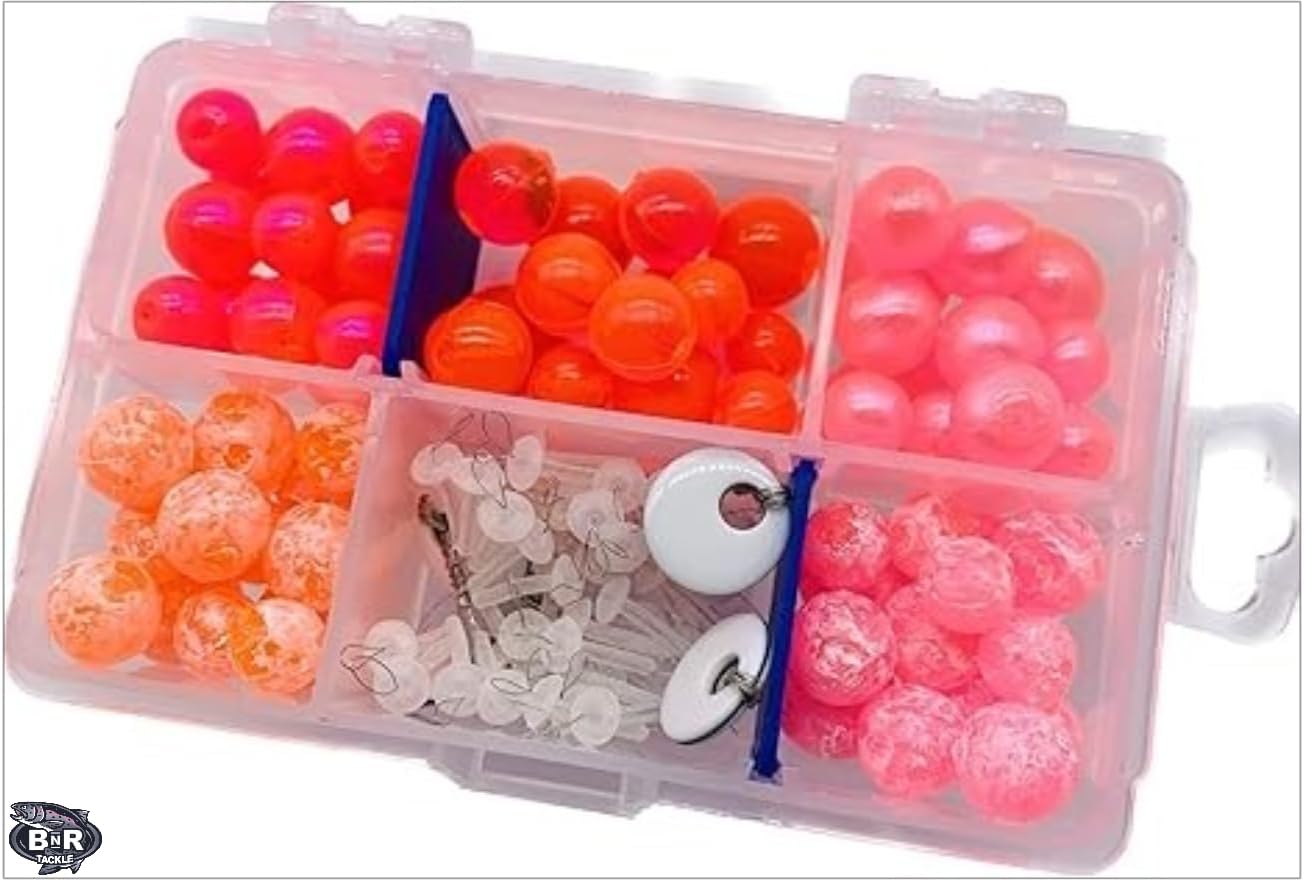
    Drift fishing with beads or roe under a float is the most productive technique on winter steelhead, particularly in high, colored water where swung flies are largely ineffective. Pegged beads imitating salmon eggs dominate on most rivers — steelhead key in on salmon eggs during and after the fall salmon spawn. A pegged bead drifted through holding water produces consistently when nothing else will.

    Gear anglers also use roe bags (salmon eggs in mesh) and plugs run off diver planers. This is productive meat-fishing technique and accounts for the majority of winter steelhead caught on most Pacific Northwest rivers.

    Steelhead beads assortment

    ➜ BnR Tackle Soft Beads Pack — Buy on Amazon

    Spinners

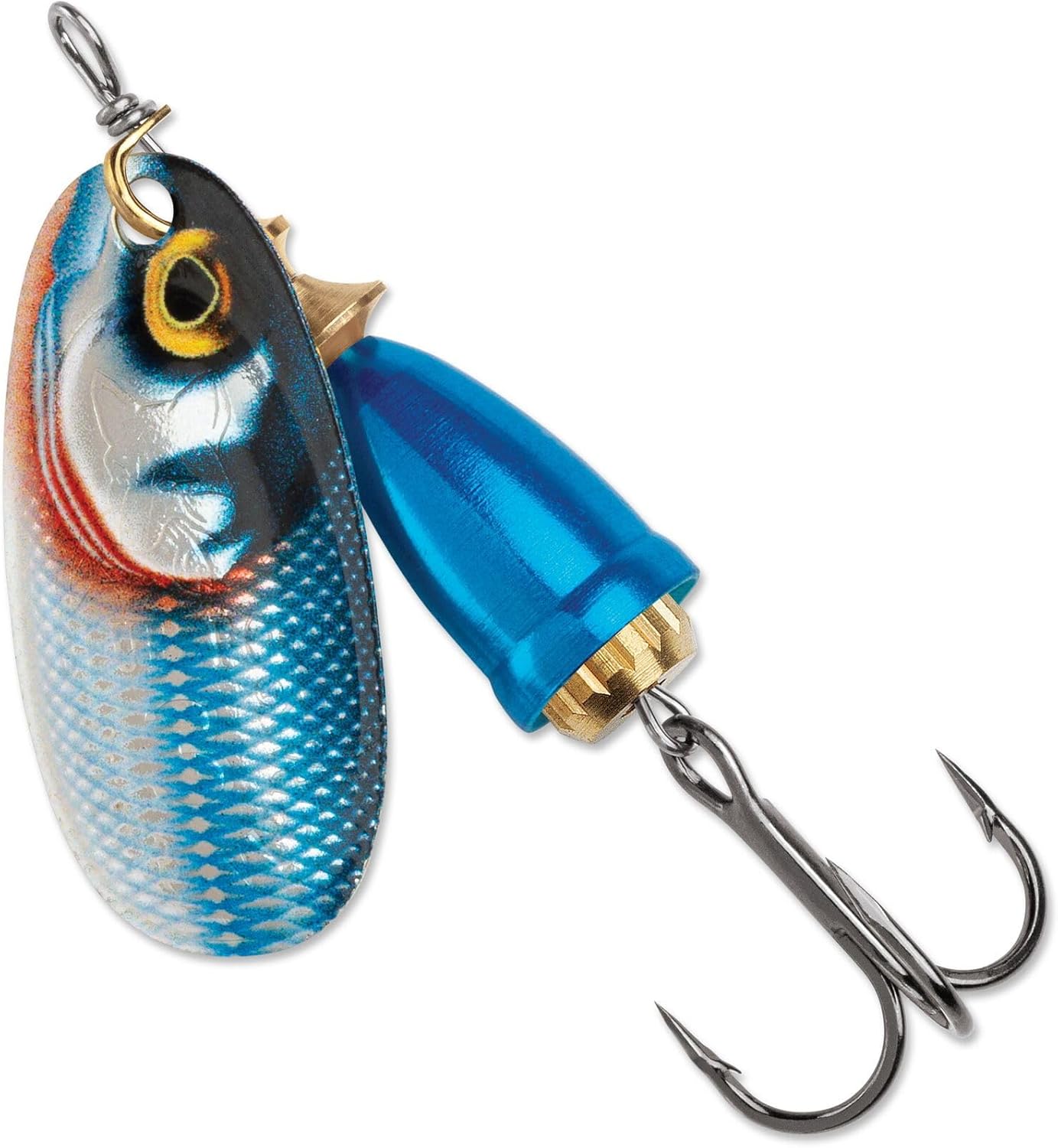
    Spinners catch steelhead consistently on both coasts. Large spinners (size 4–5) cover water efficiently and trigger aggressive strikes from fish that aren’t interested in subtler presentations. Bright colors (chartreuse, pink) in turbid water; natural (silver, gold) in clear water. Summer steelhead in clear low water will eat a well-presented spinner; winter steelhead in color water often prefer something flashier.

    Blue Fox Vibrax spinner

    ➜ Blue Fox Vibrax Size 4 — Buy on Amazon

    Steelhead Gear

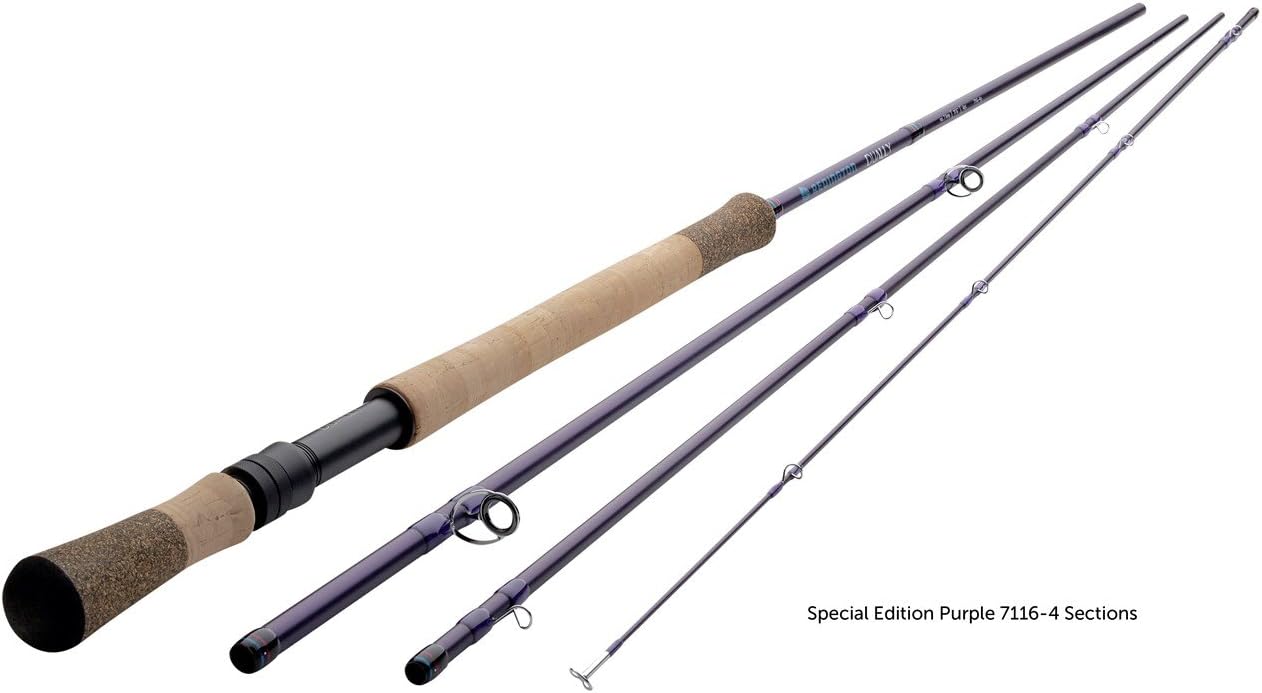
    Two-hand (spey) rod: 12.5 foot, 7–8 weight for swinging flies. Spey rods let you make long casts with limited backcast room — essential on rivers where overhanging trees make single-hand casting impractical. Learning to cast a spey rod takes dedicated practice; most anglers take a lesson or two before they’re efficient.

    Redington Dually Rod

    ➜ Redington Dually Rod — Buy on Amazon

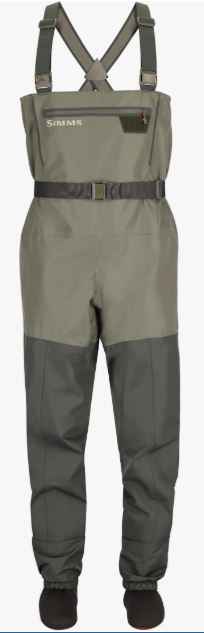
    Waders: Neoprene 3–5mm for winter steelhead — you’ll be standing in very cold water for long periods. Breathable waders with serious insulating layers underneath for summer. Either way, don’t cheap out on waders for steelhead — you’ll be wet for full days in cold water and quality matters.

    Simms Tributary waders

    ➜ Simms Tributary waders — Buy on Amazon

    Best Steelhead Rivers

    • Deschutes River, Oregon — arguably the best dry-line summer steelhead in the US
    • North Umpqua, Oregon — legendary summer steelhead; fly-fishing-only regulations on the upper river
    • Clearwater River, Idaho — exceptional summer and fall steelhead; big fish water
    • Skagit River, Washington — iconic winter steelhead fishery
    • Hoh River, Washington — Olympic Peninsula wild winter steelhead
    • Salmon River, New York — largest Great Lakes steelhead fishery; massive fall and spring runs
    • Pere Marquette River, Michigan — Michigan’s most productive steelhead river
    • Situk River, Alaska — small river, massive returns; among the most productive steelhead fisheries in the world

    Great Lakes Steelhead

    Steelhead were stocked into the Great Lakes decades ago and now run seasonally in tributaries around the lakes — Michigan, New York, Ohio, Pennsylvania, Wisconsin, and Ontario all have established steelhead fisheries. For anglers who can’t travel to the Pacific Northwest, Great Lakes steelhead is the realistic alternative. The fish aren’t technically sea-run (they run between the Great Lakes and the tributaries), but they behave like Pacific steelhead and fight the same way.

    Fall and spring runs are peak. The New York Salmon River has some of the most productive steelhead fishing on the continent in October and November, and the Michigan rivers run steelhead from late fall through spring. See our Great Lakes steelhead guide for details.

    Book a Guided Steelhead Trip

    This is a fish worth booking a guide for, especially on your first trip. Steelhead water is big, holding lies are not always obvious, and a good guide has spent years learning which runs fish best at which water levels. One day with a competent guide will teach you more than a week figuring it out on your own.

    ➜ Browse Guided Steelhead Fishing Trips — Viator

    Frequently Asked Questions

    How big do steelhead get?

    Average steelhead run 6–12 pounds depending on the river and run type. Trophy fish over 20 pounds are caught annually on top rivers like the Clearwater and Situk. The world record exceeds 42 pounds. Great Lakes steelhead typically run slightly smaller on average than Pacific steelhead but overlap in maximum size.

    How hard are steelhead to catch?

    They have a deserved reputation as one of the most challenging fish in freshwater. The “fish of a thousand casts” line isn’t a joke — many anglers genuinely fish multiple full days without hooking one. The challenge is part of why catching a steelhead is so rewarding. That said, timing matters enormously — fish a productive river during peak run timing and your odds improve dramatically.

    What’s the difference between a steelhead and a salmon?

    Steelhead are rainbow trout that went to the ocean; they return to spawn but most survive and can spawn multiple times. Pacific salmon return to spawn and die — one trip, one spawn, then death. Biologically they’re in different genera. Behaviorally, steelhead fight differently (more jumps, longer fights) and are caught with different techniques than salmon.

    When is the best time for steelhead?

    Depends on the river and run type. Pacific Northwest winter steelhead: December through February on most rivers. Summer steelhead: July through October, with August and September often the peak. Great Lakes: October through November in the fall, March through May in the spring.

    Do I need a two-hand rod for steelhead?

    No — it’s traditional for summer steelhead swinging, but many anglers catch more fish on single-hand rods with indicator nymph rigs, streamers, or gear setups. Two-hand casting is a skill worth learning if you want to fish it “the classic way,” but it’s not required to catch steelhead.


    Related Guides


    About the Author

    By Kenny — SoCal angler who learned trout fishing during college years in Fort Collins, Colorado (Poudre, Horsetooth, Estes Park) and now fishes the Sierras and SoCal lakes with my daughter Scarlett. No steelhead or salmon yet, and no ice fishing — those are on the list.
  • Cutthroat Trout Fishing Guide: The Trout of the American West

    Cutthroat Trout Fishing Guide: The Trout of the American West

    Cutthroat are the native trout of the American West. They’re in every major Rocky Mountain drainage from the Canadian border down to northern New Mexico, and in coastal streams from Northern California to Alaska. The distinctive red or orange slash marks under the jaw — the “cutthroat” — are the quick visual ID on every subspecies.

    Quick honest note: I haven’t fished cutthroat in their native waters. Yellowstone, the wilderness rivers of Idaho and Montana, and Pyramid Lake in Nevada are all on my list. What I can tell you is based on research, conversations with anglers who’ve fished these places, and what I know about trout fishing in general — not from first-hand cutthroat time. That said, cutthroat in wilderness waters are famously willing to eat dry flies, and most cutthroat-focused trips produce more fish than they do challenge.

    Cutthroat Subspecies

    The cutthroat is not one fish — it’s a complex of related subspecies, each isolated in a specific drainage during the last ice age. At least 14 recognized subspecies exist, though many are threatened or endangered.

    • Yellowstone cutthroat — the most abundant; Greater Yellowstone ecosystem
    • Westslope cutthroat — native to Montana and Idaho drainages
    • Coastal cutthroat — Pacific coastal streams from California to Alaska; includes sea-run populations
    • Lahontan cutthroat — Nevada and California; trophy fish of Pyramid Lake
    • Greenback cutthroat — Colorado’s state fish; federally threatened, limited range
    • Rio Grande cutthroat — New Mexico and southern Colorado headwaters
    • Bonneville cutthroat — Utah and portions of the Great Basin
    • Snake River fine-spotted cutthroat — Wyoming’s upper Snake River drainage

    Several subspecies are federally threatened and must be released. Know what you’re catching before you decide to harvest anything.

    Cutthroat Behavior

    Cutthroat have a reputation for being less wary than brown trout. In wilderness settings with low angling pressure, they’ll rise to dry flies readily and take nymphs aggressively. In Yellowstone especially, where many fish have minimal exposure to anglers, they can be remarkably willing eaters.

    That reputation has limits. Heavily pressured cutthroat on easy-access water become more selective — a Yellowstone cutthroat on Slough Creek in August, after hundreds of anglers have drifted flies past it all summer, can be just as challenging as any brown. Pyramid Lake Lahontan cutthroat, pressured by a specialized fishery, are demanding in their own way.

    Best Techniques for Cutthroat

    Dry Fly Fishing

    Cutthroat are exceptional dry fly targets. Elk Hair Caddis, Parachute Adams, and Stimulators all produce consistently. Hopper patterns fished tight to grassy banks produce explosive strikes in the summer and early fall. The classic western cutthroat experience is a July afternoon on a meadow stream with a size-12 hopper and a fish under every bank.

    ➜ Parachute Adams Assortment Sizes 14–18 — Buy on Amazon

    Nymphing

    Pheasant Tail and Hare’s Ear nymphs drifted under a strike indicator produce cutthroat year-round. The Beadhead Prince Nymph is particularly effective in Yellowstone, where it’s been a go-to pattern for decades.

    ➜ Beadhead Prince Nymph Assortment — Buy on Amazon

    Spinning

    Small spinners and spoons produce cutthroat in both streams and lakes. Mepps Aglia and Panther Martin in sizes 0–2 are effective — especially in less-pressured water where fish haven’t been selected against flashy presentations.

    ➜ Mepps Aglia Size 1 — Buy on Amazon

    Best Cutthroat Waters

    • Yellowstone National Park — the Yellowstone River, Slough Creek, and tributaries; catch-and-release only for all native cutthroat
    • Snake River, Idaho/Wyoming — fine-spotted Snake River cutthroat in outstanding water
    • Flathead River drainage, Montana — westslope cutthroat in relatively remote water
    • Pyramid Lake, Nevada — trophy Lahontan cutthroat, world-record territory
    • Olympic Peninsula coastal streams, Washington — sea-run coastal cutthroat
    • Uncompahgre and Upper Rio Grande, Colorado — native cutthroat in wilderness drainages
    • Central Idaho wilderness — Frank Church and Selway-Bitterroot wilderness streams

    Cutthroat Conservation

    Native cutthroat populations have been devastated across much of their historic range. Hybridization with non-native rainbows is the biggest threat (cutthroat and rainbow will interbreed readily, and the hybrids — called “cuttbows” — replace pure cutthroat over time). Habitat degradation, competition from introduced brown trout, and water diversions add to the pressure.

    If you fish native cutthroat water, especially for threatened subspecies, practice strict catch-and-release. Keep the fish wet, handle minimally, and don’t fish spawning fish in the spring. Many native cutthroat waters are specifically regulated for catch-and-release only — follow those rules and consider applying them voluntarily even where harvest is legal.

    Book a Guided Cutthroat Trip

    Yellowstone cutthroat fishing is one of the experiences most worth booking a guide for. A Yellowstone or Park-adjacent guide knows where fish are holding, which hatches are active, and how to access water you’d never find on your own in a short trip. It’s money well spent.

    ➜ Browse Yellowstone Fly Fishing Guided Trips — Viator

    Frequently Asked Questions

    Are cutthroat easier to catch than brown trout?

    Generally yes, particularly in wilderness settings. Cutthroat in low-pressure waters rise readily to dry flies and take a wide variety of presentations. Heavily pressured cutthroat can become selective but rarely reach the difficulty level of pressured browns.

    What’s the best cutthroat fly?

    For summer dry fly fishing, a hopper pattern in sizes 10–12 or a Parachute Adams in 14–16. For nymphing, a Pheasant Tail or Beadhead Prince Nymph in sizes 14–16. These cover 90% of cutthroat situations.

    Can I keep cutthroat trout?

    Depends on the water and subspecies. Many native cutthroat waters are catch-and-release only. Threatened subspecies (greenback, Paiute) are always catch-and-release. Check regulations carefully before keeping any cutthroat. Stocked cutthroat in some waters can be harvested, but native wild populations should generally be released.

    What’s the biggest cutthroat ever caught?

    The world record Lahontan cutthroat from Pyramid Lake was around 41 pounds, caught in 1925. Current Pyramid Lake fish commonly exceed 10 pounds. In stream settings, a 20-inch cutthroat is exceptional.

    How do I tell cutthroat from rainbow trout?

    The red or orange “cutthroat” slash marks under the lower jaw are definitive — rainbows don’t have them. Cutthroat also tend to have more prominent spotting concentrated toward the tail. In hybrid zones, “cuttbows” can be harder to distinguish; a faint slash or mixed characteristics usually indicate hybridization.


    Related Guides


    About the Author

    By Kenny — SoCal angler who learned trout fishing during college years in Fort Collins, Colorado (Poudre, Horsetooth, Estes Park) and now fishes the Sierras and SoCal lakes with my daughter Scarlett. No steelhead or salmon yet, and no ice fishing — those are on the list.
  • Lake Trout Fishing Guide: Deep Water Tactics for Trophy Lakers

    Lake Trout Fishing Guide: Deep Water Tactics for Trophy Lakers

    Lake trout are the deepest-dwelling, longest-lived, and largest of the North American trout species. They live where most trout can’t — cold water 50 to 100+ feet down in big lakes and northern waters — and reaching them requires understanding the water column and presenting lures at precise depths. Solve that puzzle and you have access to fish that grow to extraordinary sizes and live for decades.

    I’ve fished lake trout on Horsetooth Reservoir in Colorado back in college, and I’ve done plenty of deep trolling for other species on Lake Isabella in the Sierras. The techniques transfer — if you understand how to get a lure to depth and keep it there, you can catch lake trout anywhere they live.

    Lake Trout Habitat

    Lake trout require cold water — below 55°F is the rule. In summer, that means they drop deep: 50–100+ feet in most of their range, following the thermocline down. In spring and fall when the surface water is cold, they move shallow (10–40 feet) and feed aggressively near shore. Ice-out and the weeks just after are the most productive times for shallow-water lake trout fishing in the year.

    Structure matters. Deep rocky points, underwater humps, drop-offs from shoreline, and submerged islands are all primary feeding areas. Lake trout are ambush predators despite their size — they hold on structure and intercept baitfish passing by. A featureless basin holds fewer fish than the same basin with a rocky hump rising from the bottom.

    Trolling for Lake Trout

    Trolling is the most efficient method for covering water at the right depth. The key is getting your lure to the exact depth where fish are holding. A fish finder is essential for this — you’re looking for fish marks at a specific depth, then adjusting your presentation to match.

    Depth Control Methods

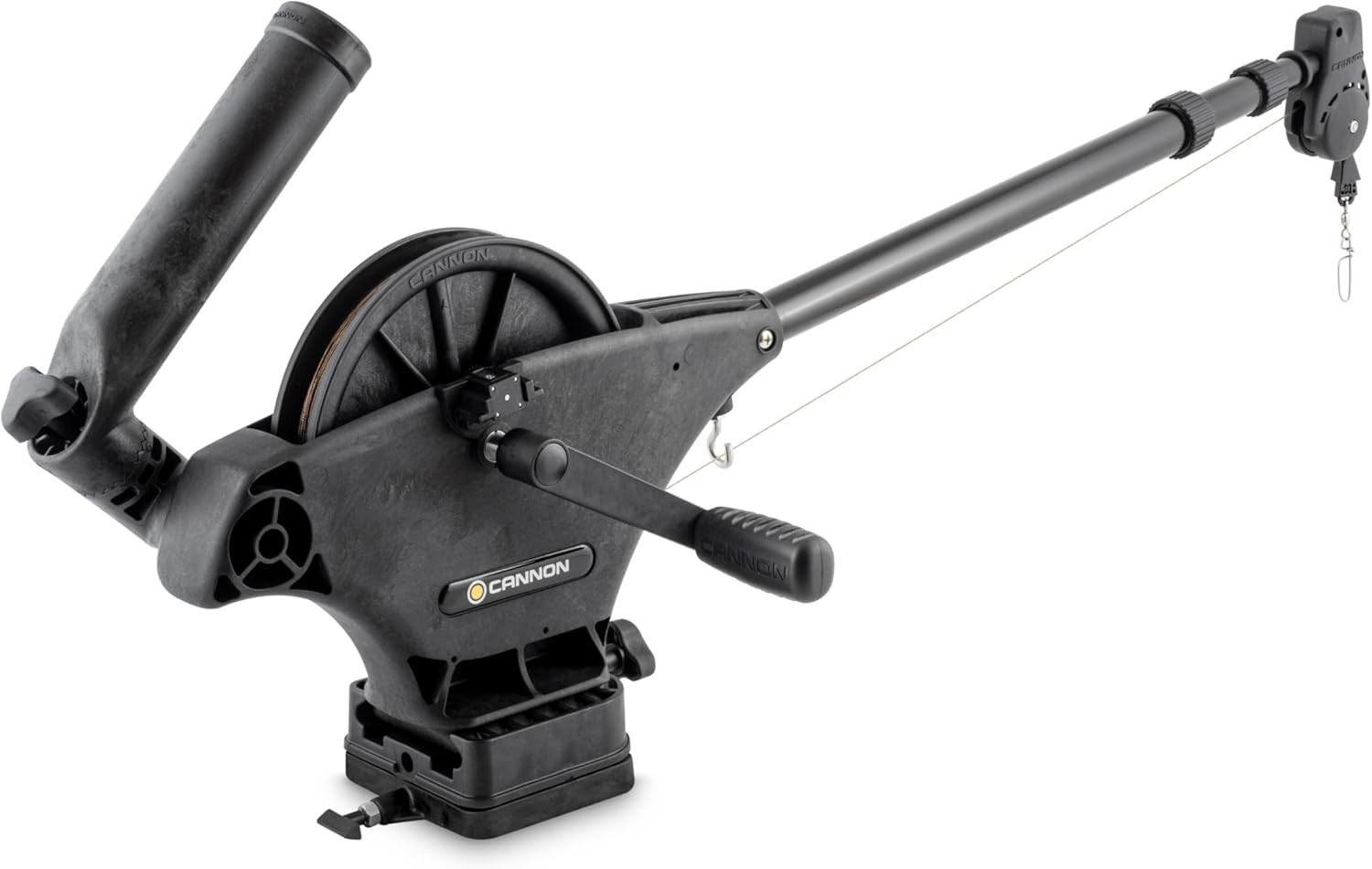
    Downriggers — the most precise depth control tool. A cannonball lowered on a cable holds your line at an exact depth. Line clips to the cannonball with a quick-release; when a fish strikes, the line pops free and you fight the fish on a slack line.

    Cannon downrigger

    ➜ Cannon Uni-Troll Manual Downrigger — Buy on Amazon

    Lead core line — a sinking line built into your mainline that sinks at a predictable rate (approximately 5 feet per 10-yard color segment). Less precise than downriggers but much cheaper and works well for fish holding at moderate depths (20–40 feet).

    ➜ Sufix Lead Core Trolling Line — Buy on Amazon

    Trolling Lures

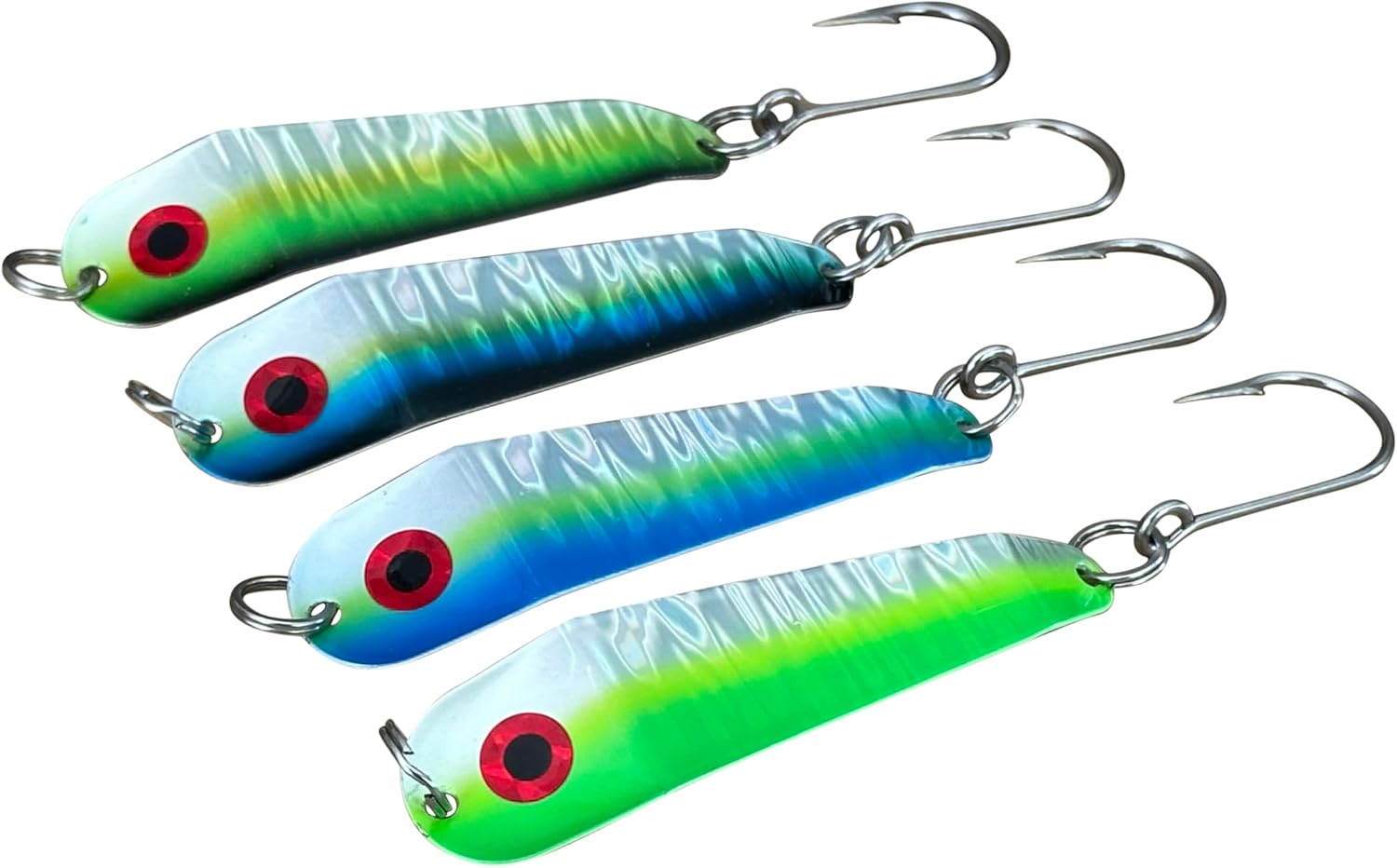
    Spoons — the most universally effective lake trout trolling lure. Classic Great Lakes patterns work wherever lake trout swim. The side-to-side wobble at 1.5–2 mph imitates a wounded baitfish, which is what lake trout key in on.

    NK 28 trolling spoon

    ➜ Loony Trolling Spoon — Buy on Amazon

    Trolling speed matters — lake trout prefer slower presentations than rainbows or browns. 1.5–2 mph is the typical range. Faster than that and you’re wasting water.

    Jigging for Lake Trout

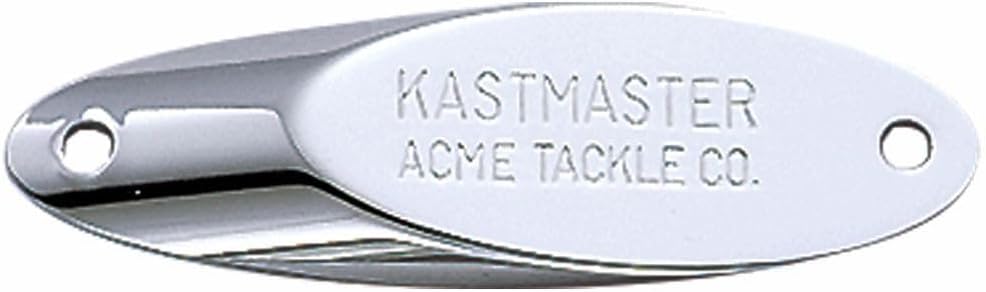
    Heavy jigging spoons (1–3 oz) dropped to the bottom and worked with a lift-drop cadence produce aggressive strikes. Jigging is especially effective when fish are concentrated on specific structure — tightly schooled on a deep rock pile, for example. You can work the exact spot where fish are holding without having to cover water by trolling.

    Jigging is also the primary method for Great Lakes tributary fishing in spring and fall, when lake trout follow baitfish into shallower water and can be caught from boats in 20–50 feet.

    Heavy jigging spoon for lake trout

    ➜ Acme Kastmaster 1oz Jigging Spoon — Buy on Amazon

    Lake Trout Gear

    Trolling rod: 8–10 foot medium-heavy rated for 15–30 lb line. Longer rods spread out a multi-rod trolling spread without tangles; the heavier power handles big fish at depth.

    ➜ Ugly Stik Tiger Trolling Rod — Buy on Amazon

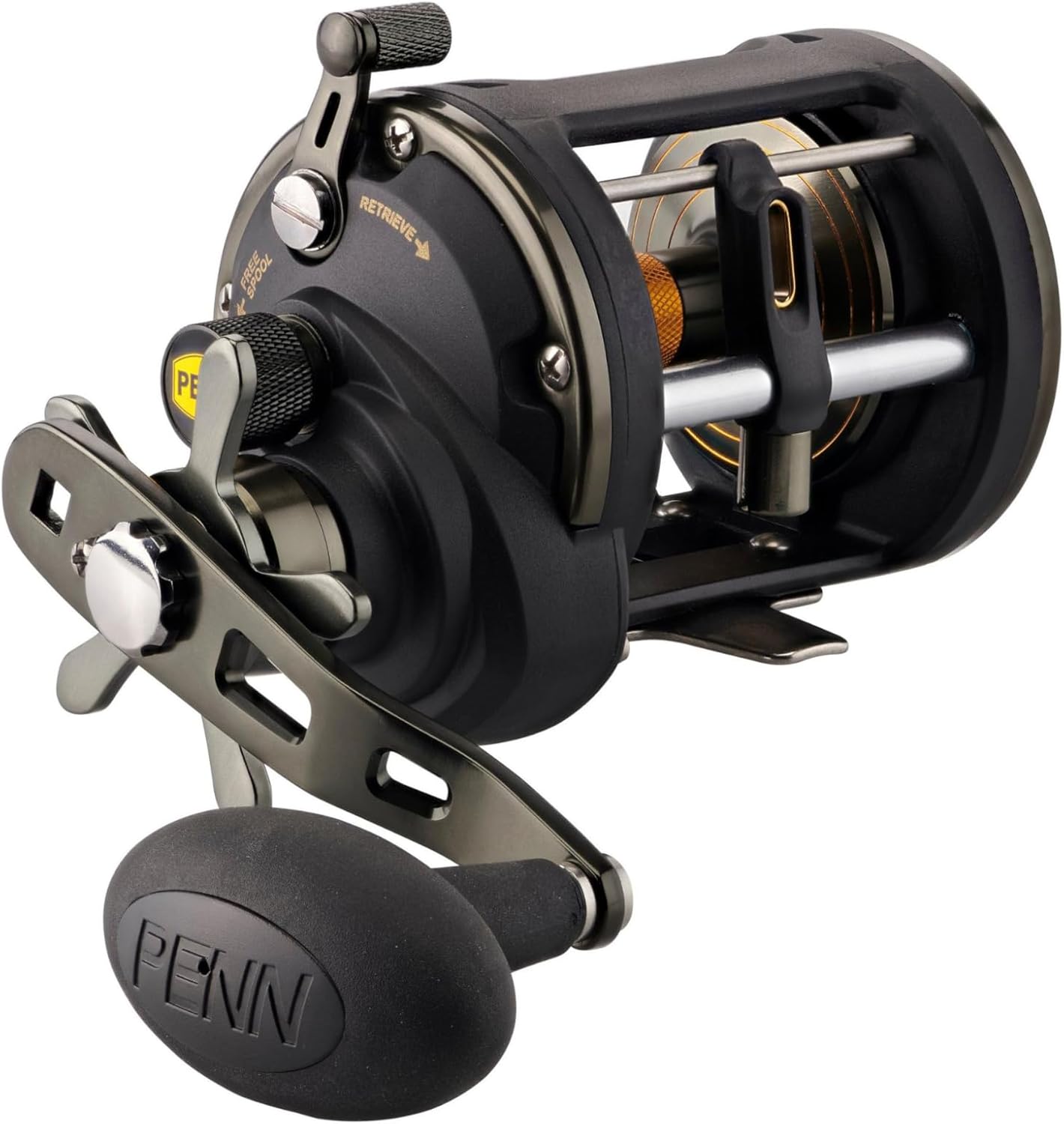
    Level-wind reel with line counter — line counters are genuinely useful for lake trout trolling because you can repeat productive depths exactly. Find the depth that’s producing, and every subsequent pass puts your lure right in the strike zone.

    Penn Squall level wind reel

    ➜ Penn Squall Level Wind Reel — Buy on Amazon

    Reading Electronics for Lake Trout

    Fish finders are critical for lake trout fishing. You’re not fishing the shoreline — you’re fishing a specific depth in open water. Without electronics you’re guessing.

    What to look for:

    • Fish arcs at consistent depth — that’s your target depth for trolling
    • Baitfish schools — big schools attract predators
    • Bottom structure — rocky humps, points, drop-offs
    • Temperature breaks — the thermocline shows up as a distinct layer on many electronics

    Once you find fish at a depth, match your presentation to that depth and work the area. Lake trout often school, so where you find one there are usually more.

    Best Lake Trout Destinations

    • Lake Superior — largest of the Great Lakes; excellent lake trout fishing year-round
    • Lake Michigan — recovering population; good spring trolling near tributary mouths
    • Great Bear Lake, NWT — world-record lake trout water in remote northern Canada
    • Lake Nipigon, Ontario — legendary trophy lake trout; 40+ pound fish are genuine targets
    • Flaming Gorge Reservoir, Utah/Wyoming — outstanding lake trout fishery in the West
    • Lake Champlain, Vermont/New York — accessible lake trout fishing for East Coast anglers
    • Yellowstone Lake, Wyoming — lake trout targeted for removal because they prey on native cutthroat; bag limits are generous

    Ice Fishing for Lake Trout

    In northern states, ice fishing opens up lake trout access that would require deep-water boat trolling in summer. Ice fishing is an entire specialty in itself — I haven’t done it (not much ice in SoCal), but from what I’ve read, it produces some of the biggest lake trout of the year as fish move shallower under the ice. See our ice fishing for trout guide for details.

    Frequently Asked Questions

    How deep do lake trout live?

    In summer, commonly 50–100+ feet, following water below 55°F. In spring and fall they move to 10–40 feet. During ice-out and late ice, they can be caught in the top 20 feet.

    What’s the best time of year for lake trout?

    Spring and fall are consistently the best — water is cold enough that lake trout are shallow and aggressive. Summer fishing requires reaching them at depth. Ice fishing in northern states produces excellent fish in winter.

    How long do lake trout live?

    30+ years has been documented. Slow growth means a 20-pound fish might be 20 years old. This is why over-harvest is such a concern — populations recover slowly.

    What do lake trout eat?

    Primarily other fish — smelt, cisco, alewife, whitefish depending on the water body. Also insects and crustaceans when younger. They’re opportunistic predators.

    Are lake trout good to eat?

    Yes, but the flavor varies. Lake trout from cold, clear, oligotrophic lakes (typical northern lakes) tend to be excellent. Fish from warmer or more productive waters can have a stronger flavor. Check mercury advisories — some Great Lakes populations have consumption limits.


    Related Guides


    About the Author

    By Kenny — SoCal angler who learned trout fishing during college years in Fort Collins, Colorado (Poudre, Horsetooth, Estes Park) and now fishes the Sierras and SoCal lakes with my daughter Scarlett. No steelhead or salmon yet, and no ice fishing — those are on the list.
  • Brook Trout Fishing Guide: Finding Native Fish in Wild Places

    Brook Trout Fishing Guide: Finding Native Fish in Wild Places

    Brook trout are America’s native jewel. They’re not technically trout (they’re char, same genus as lake trout and bull trout), but everyone calls them trout and that’s not going to change. What matters is that they’re brilliantly colored, they live in some of the most remote and beautiful water in North America, and fishing for them is as much about the journey as the catching.

    I caught plenty of brook trout in small streams around Estes Park during college. Two things stand out from that experience. First, no photograph does justice to the colors — the vermiculation pattern on the back, the red spots with blue halos, and the white-and-black leading edges of the lower fins are more striking in person than any picture. Second, you consistently pull them out of water that looks like it couldn’t hold a fish that size. A thin ribbon of creek running through a meadow turns out to have 10-inch brookies stacked in every pool. Small-stream brookie fishing is one of the most quietly satisfying kinds of fishing I know.

    Brook Trout Habitat

    Brook trout require water consistently below 65°F, ideally 55–60°F. They’re the most cold-sensitive of the common trout species — the first species to disappear when water quality degrades, temperature rises, or introduced browns and rainbows take over a fishery. Look for them in:

    • Headwater streams above natural barriers (waterfalls, gradient breaks)
    • Spring-fed streams with consistent cold temperatures year-round
    • High-altitude lakes, especially in the Appalachians and Rockies
    • Beaver ponds and bog-fed creeks in boreal regions
    • Coastal Maine and Canadian Maritimes saltwater (sea-run “salters”)

    The remote, hard-to-reach water that holds wild brookies is a big part of their appeal. You usually have to work to get to good brook trout water, which means fewer anglers and more willing fish.

    Best Techniques for Brook Trout

    Small Stream Fly Fishing

    Brook trout in small mountain streams are generally the least selective trout you’ll encounter. They’ll hit almost any fly presented naturally near their holding water. A 7–8 foot, 3-weight rod is ideal for tight casting conditions — shorter rods make less contact with overhanging branches, lighter weights present small flies softly on small water.

    Stimulator dry fly (sizes 12–16) — high-floating attractor visible in broken water. The go-to brookie dry fly for pocket water and riffles.

    ➜ Stimulator Dry Fly Assortment — Buy on Amazon

    Royal Wulff (sizes 12–16) — classic attractor dry that brookies can’t resist. The red body and white wings make it easy to see even in low light or fast water, and brookies commit hard to it.

    ➜ Royal Wulff Dry Fly Assortment — Buy on Amazon

    Small Spinners

    Tiny spinners are devastatingly effective on brook trout in small streams. Size 0 or 1 Mepps or a 1/32 oz Panther Martin cast upstream and retrieved just fast enough to keep the blade spinning will produce hookups consistently. Spinners work particularly well when the water is a little stained after rain.

    Mepps Aglia size 0 spinner

    ➜ Mepps Aglia Size 0 — Buy on Amazon

    Worms and Natural Bait

    A garden worm on a small hook, drifted through a pool, catches more wild brook trout than anything else. In states where bait is legal, this is how generations of Appalachian kids have learned to fish. It’s simple and it works.

    Reading Small Brook Trout Water

    Every pool in a small stream has a structure. The fastest water at the head carries food in. The deep part in the middle holds fish. The tail slows down and delivers drift to fish in the next pool down. On a small creek, you can usually see where the brook trout are without fishing — just watch for a minute and note where the food would pile up.

    Key spots on brook trout water:

    • Head of pools where fast water enters
    • Behind rocks that create current breaks
    • Undercut banks, especially under overhanging vegetation
    • Deep pools below small waterfalls or ledges
    • Anywhere the current slows behind or beside a log jam

    Wade carefully — brook trout in small clear water are easily spooked. Approach from downstream when possible. Cast short. Make your first cast your best cast because you might only get one before the fish you’re working is spooked off.

    Gear for Brook Trout

    The key with brook trout gear is “light.” Light rod, light line, small flies and lures. Match the scale of the fish and the water.

    Ultralight spinning rod: 5–6 foot for small streams. Matches the small lures and the small fish.

    ➜ Ugly Stik Elite 5ft Ultralight — Buy on Amazon

    Light fly rod: 7–8 foot, 3-weight. Perfect for small-stream brookie water where a 5-weight would feel like overkill.

    ➜ Redington Crosswater 8ft 4wt — Buy on Amazon

    Best Brook Trout Destinations

    • Great Smoky Mountains National Park — the best native brook trout in the Southeast
    • Adirondack Mountains, New York — brook trout in hundreds of ponds and streams
    • Vermont — Green Mountain National Forest — small-stream brookie fishing
    • Baxter State Park, Maine — remote trophy brookies
    • Shenandoah National Park, Virginia — native brook trout streams
    • Rocky Mountain National Park, Colorado — high-altitude brook trout (non-native here but well-established)
    • Boundary Waters, Minnesota — canoe-in brookie fishing
    • Nipigon River, Ontario — world-class trophy brook trout

    Conservation

    Native brook trout populations are declining across much of their historic range. Habitat degradation, stream warming, and competition from introduced browns and rainbows have reduced native brookies to remote headwater refuges in most of the East. Where you find native brookies, practice strict catch-and-release. Wet your hands before handling, keep the fish in the water as much as possible, and don’t target spawning fish in the fall.

    Stocked brook trout (common in many Eastern states and high-country lakes in the West) are a different ethical situation — they’re not self-sustaining populations and harvest is often encouraged. Know which you’re fishing.

    Frequently Asked Questions

    How big do brook trout get?

    Most wild stream brookies are 6–10 inches. A 12-inch brookie is a good fish in most water. 15+ inches is exceptional. The biggest brook trout come from large lakes in northern Canada, where fish over 5 pounds are caught every year, and from the famous Lac Albanel region of Quebec where trophies over 10 pounds exist.

    Are brook trout easier to catch than rainbows?

    Generally yes, especially in remote water. Brookies are less pressured, less selective, and more willing to hit a wide variety of presentations. That’s not universal — heavily pressured brook trout in popular parks can become just as spooky as any other trout.

    What’s the best fly for brook trout?

    Any bushy attractor dry fly — Stimulator, Royal Wulff, Elk Hair Caddis — in sizes 12–16. Brookies aren’t picky. A fly you can see is often more important than a “correct” fly.

    Are brook trout a native fish?

    Native to eastern North America — from Labrador to northern Georgia, and west to the upper Midwest. Introduced (and now established) in western states, where they’re generally considered invasive because they compete with native cutthroat.

    Can you eat brook trout?

    Yes, they’re excellent eating — considered among the finest of trout. Firm flesh with delicate flavor. That said, in most native waters they should be released to support struggling populations. Harvest is appropriate from stocked ponds and high-mountain lakes where populations are robust.


    Related Guides


    About the Author

    By Kenny — SoCal angler who learned trout fishing during college years in Fort Collins, Colorado (Poudre, Horsetooth, Estes Park) and now fishes the Sierras and SoCal lakes with my daughter Scarlett. No steelhead or salmon yet, and no ice fishing — those are on the list.

  • Brown Trout Fishing Guide: How to Catch Trophy Browns

    Brown Trout Fishing Guide: How to Catch Trophy Browns

    Brown trout are the chess match of trout fishing. They’re bigger than most rainbows, wiser than all of them, and almost impossible to fool once they’ve been around a few seasons. The biggest brown in any river probably hasn’t been caught in years. Catching a real one — say, over 20 inches — on your own fly or lure is one of the genuine achievements in freshwater fishing.

    Most of my brown trout experience came from the North Fork of the Poudre during college in Fort Collins. Those fish taught me more about actual trout fishing than any other species. The consistent lesson: if a brown is the dominant fish in a pool, everything else is secondary. Browns take the best lies and push smaller rainbows and brookies out. If you find good holding water with no rainbows visible, it’s probably because a brown owns it.

    Brown Trout Behavior

    Browns change their behavior dramatically as they grow. Small browns (under 12 inches) act like rainbows — feed on insects, rise to dry flies, hold in current seams. Fish between 12 and 16 inches start shifting — they still eat insects but increasingly target larger food. Fish over 16 inches become predators. They eat other fish, crawfish, frogs, and sometimes even small mammals.

    The biggest behavioral shift is timing. Large browns in heavily pressured water become almost entirely nocturnal. They feed from sunset to sunrise and spend the daylight hours tucked under undercut banks, logs, or in deep pools where they can’t be reached by conventional presentations. This is why streamer fishing at dawn and dusk produces more trophy browns than any daylight technique, and why some of the biggest browns in the country are caught after full dark by anglers fishing mouse patterns under a headlamp.

    Best Techniques for Brown Trout

    Streamers at Dawn and Dusk

    Large streamer flies fished aggressively at low light are the most consistent method for big browns. A 4–5 inch streamer stripped fast through deep runs and undercut banks triggers the predatory instinct of fish that won’t look at a nymph. The retrieve matters — short, sharp strips that make the fly dart and pause imitate a wounded baitfish. A slow steady retrieve rarely produces.

    Woolly Bugger in black, olive, or brown (sizes 4–8) — the workhorse brown trout streamer. Simple, deadly, works everywhere.

    Woolly Bugger streamer

    ➜ Woolly Bugger Streamer Assortment — Buy on Amazon

    Articulated streamers — two-hook patterns with more movement. Better for the biggest fish that want a real mouthful. The articulated joint lets the fly swim and pulse in ways a single-hook streamer can’t.

    ➜ Articulated Streamer Assortment — Buy on Amazon

    Large Dry Flies — Hopper Fishing

    Grasshopper patterns slapped near undercut banks in late summer produce explosive strikes from fish that won’t eat anything else. Hopper season runs roughly July through September on most western rivers. The fish are keyed in on terrestrials and will come up from depth for a well-placed pattern.

    The presentation matters — you want to land the hopper within a few inches of the bank, as if a real grasshopper just got blown into the water. A good slap on the surface helps trigger the take.

    ➜ Ventures Fly Co. Hopper Assortment — Buy on Amazon

    Spinning Lures

    Large spinners and spoons (1/4–1/2 oz) work well on brown trout in low-light conditions. Browns eat baitfish — a well-retrieved spinner looks like prey they recognize. Heavier spinners sink deeper and cast farther, both of which matter when you’re trying to reach water that holds big browns.

    Blue Fox Vibrax spinner

    ➜ Blue Fox Vibrax Spinner 1/4oz — Buy on Amazon

    Reading Water for Browns

    Browns hold in different water than rainbows. Where rainbows take the feeding lanes — the seams with consistent drift — browns take the ambush points. Look for:

    • Undercut banks with deep water underneath
    • Log jams and root wads in deeper pools
    • Bridge pilings and bridge shadows
    • Deep holes below riffles, especially where the water goes dark
    • Any structure that gives them overhead cover

    The biggest brown in a river isn’t in the prettiest-looking water. It’s in the spot that gives it the best combination of food access and safety. Usually that means deeper, darker, and uglier than the obvious spots.

    Best Brown Trout Rivers

    • Bighorn River, Montana — consistently the largest average-size browns in the US
    • Madison River, Montana — world-famous hatches and trophy fish
    • Green River, Utah — tailwater below Flaming Gorge Dam, huge fish
    • Delaware River, New York/Pennsylvania — wild browns in a major eastern river
    • White River, Arkansas — southern tailwater with enormous browns (Arkansas produces some of the biggest browns in the country)
    • San Juan River, New Mexico — technical tailwater fishing for heavily-pressured but large browns

    Brown Trout in Smaller Water

    Don’t overlook the small streams. The North Poudre is a good example — not a famous river, but it holds beautiful wild browns up to 18 inches in water that looks too small to support them. The same is true across the country. Some of the best brown trout fishing in the Midwest is on the Driftless Area spring creeks in Wisconsin, Minnesota, and Iowa — tiny water, excellent fish. In Pennsylvania, the limestone creeks (Spring Creek, Penns Creek, Letort) produce trophy browns in water you can step across in places.

    Book a Guided Trip

    ➜ Search and Browse Guided Trout Fishing Trips — Viator

    Frequently Asked Questions

    What time of year are brown trout most active?

    Fall spawning (October–November) makes brown trout aggressive and more visible than any other time. Pre-spawn fish feed heavily and become less wary than usual. Note: actual spawning fish on redds should not be targeted, but pre- and post-spawn periods are prime.

    Why are big browns so hard to catch?

    They’ve survived to be big by being cautious. Every feeding decision is a risk assessment — is the food worth the energy and risk? Large browns eat less frequently than small ones because they don’t have to eat as often. A 20-inch brown might eat a few fish a week and ignore thousands of insects in between.

    What’s the best streamer color for brown trout?

    Dark colors (black, olive, brown) in clear water. Bright colors (white, yellow, chartreuse) in dirty water. Water clarity drives the decision more than light level.

    Are brown trout good to eat?

    Excellent. Firm, flaky, delicate flavor — especially smaller fish. Larger browns can have a stronger flavor from their piscivorous diet. Stocked browns are often harvested; wild browns in most fisheries should be released.

    Do brown trout feed at night?

    Yes — more actively than any other common trout species. Summer night fishing for browns with mouse patterns or big streamers is a legitimate specialized technique, especially on tailwaters. The biggest browns in any river are often caught in the dark.


    Related Guides


    About the Author

    By Kenny — SoCal angler who learned trout fishing during college years in Fort Collins, Colorado (Poudre, Horsetooth, Estes Park) and now fishes the Sierras and SoCal lakes with my daughter Scarlett. No steelhead or salmon yet, and no ice fishing — those are on the list.

  • Rainbow Trout Fishing Guide: Techniques, Gear & Best Waters

    Rainbow Trout Fishing Guide: Techniques, Gear & Best Waters

    Rainbow trout are the most widely caught freshwater gamefish in North America — stocked in lakes and streams from Maine to Hawaii and thriving as wild fish across the Rocky Mountain West. Almost everyone’s first trout is a rainbow. Mine was, decades ago at a SoCal stocked lake on a snelled hook with a chartreuse PowerBait glob. Nothing fancy, but I was hooked on trout fishing after that first fight.

    Rainbows are what most anglers think of when they picture “trout” — acrobatic, hard-fighting, willing to eat a wide variety of presentations, and found almost everywhere. They’re also the most forgiving trout species for new anglers, which is part of why they’re stocked so heavily. If you’re learning, rainbows are the fish that’s going to teach you the most.

    Rainbow Trout Habitat

    Rainbow trout require cold, well-oxygenated water. Their preferred temperature range is 50–65°F. In rivers they hold in current seams — the transition between fast and slow water where food drifts by consistently. In lakes they follow the thermocline in summer, moving to deeper, cooler water as the surface warms, and coming shallow again in spring and fall.

    Wild rainbows and stocked rainbows behave differently. A freshly-stocked fish is dumb — it’s spent its life in a concrete raceway being fed pellets, and it’ll hit almost anything brightly-colored. A wild Poudre River rainbow is a completely different animal — spooky, selective, and willing to eat only what matches the current insect activity. Knowing which you’re fishing for changes the whole game.

    Best Techniques for Rainbow Trout

    Fly Fishing

    Dry fly fishing during hatches is the most exciting way to catch rainbows — you see the take, the strike is visual and immediate, and a rising rainbow is the classic trout fishing moment. But hatches aren’t always on. Nymphing is what actually produces fish most days, most places.

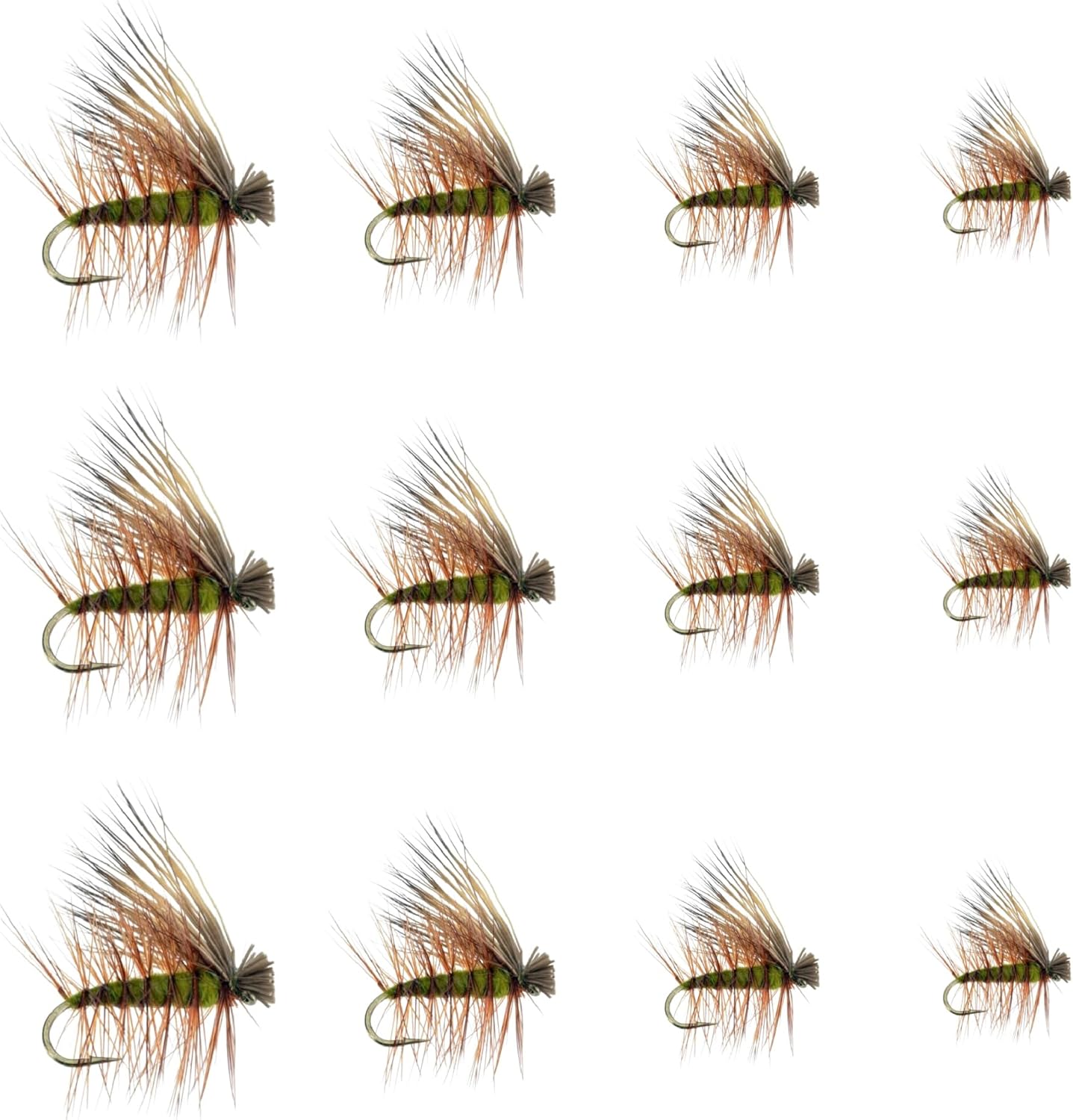
    Elk Hair Caddis (sizes 14–18) — universal dry fly for riffled water. When caddisflies are hatching, this is the fly. Even when they’re not, fish take it anyway.

    Elk Hair Caddis fly

    ➜ Elk Hair Caddis Assortment — Buy on Amazon

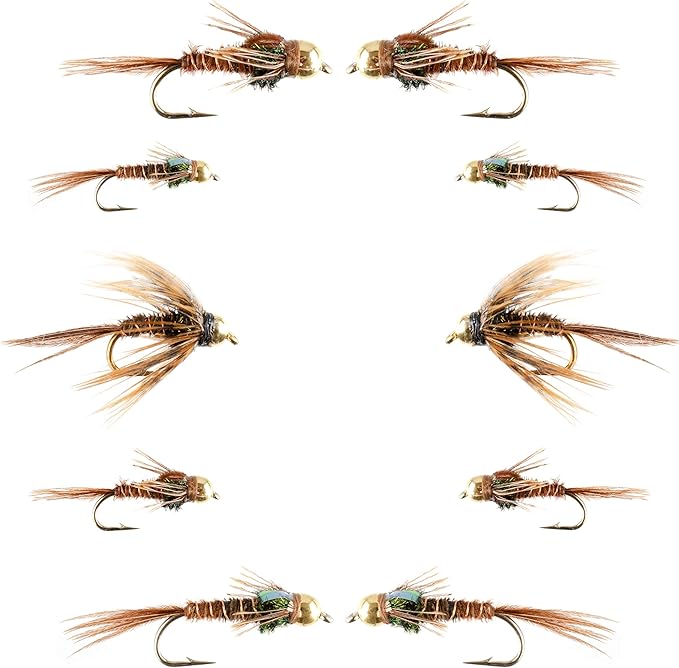
    Pheasant Tail Nymph (sizes 14–18) — the most versatile nymph ever tied. Works year-round on every rainbow stream I’ve ever fished. If I had to pick one fly to take trout fishing anywhere in the country, this would be it.

    Pheasant Tail Nymph

    ➜ Pheasant Tail Nymph Assortment — Buy on Amazon

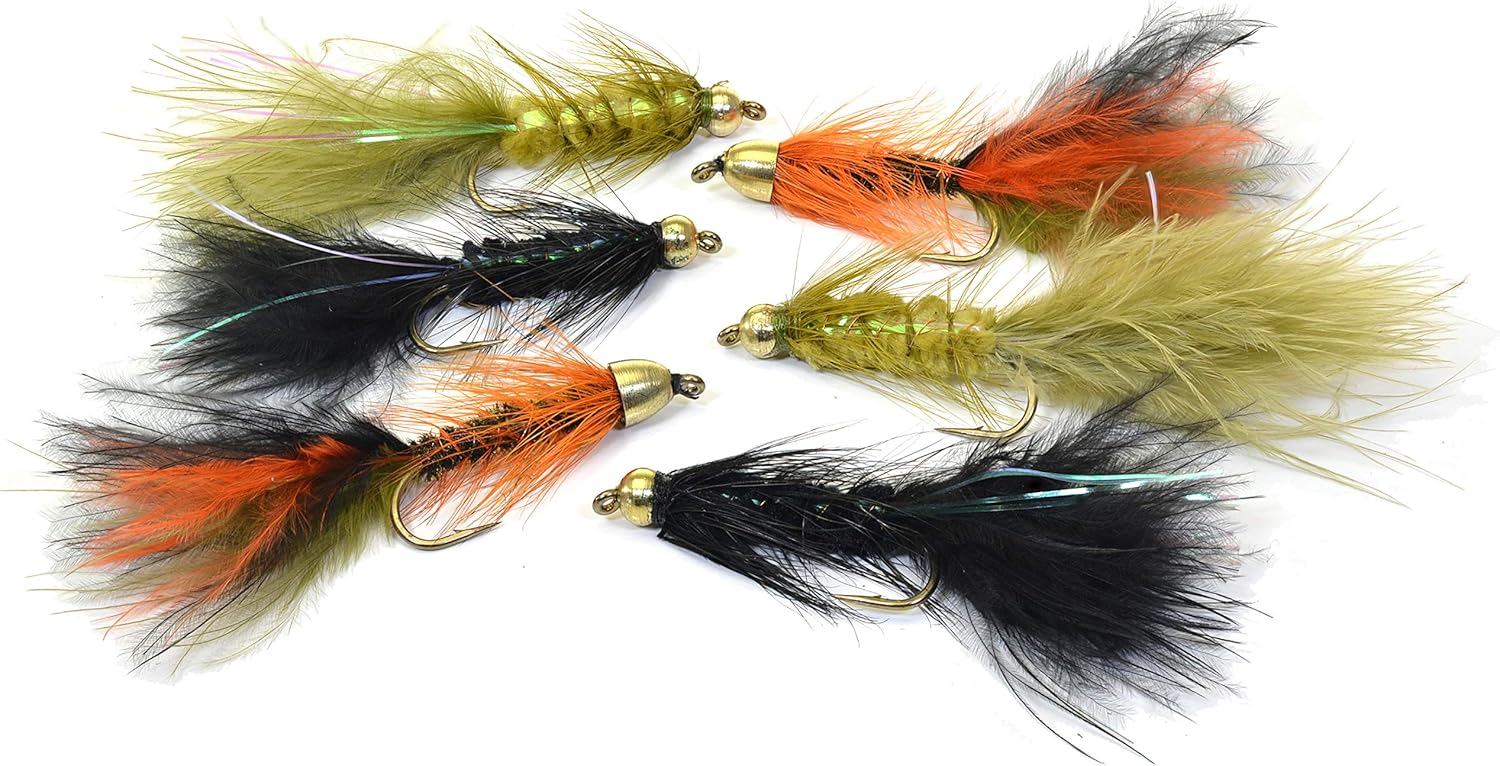
    Woolly Bugger (sizes 6–10, black and olive) — streamer that produces the largest rainbows. Strip it through deep runs and undercut banks and hold on.

    Woolly Bugger streamer fly

    ➜ Woolly Bugger Assortment — Buy on Amazon

    Spin Fishing

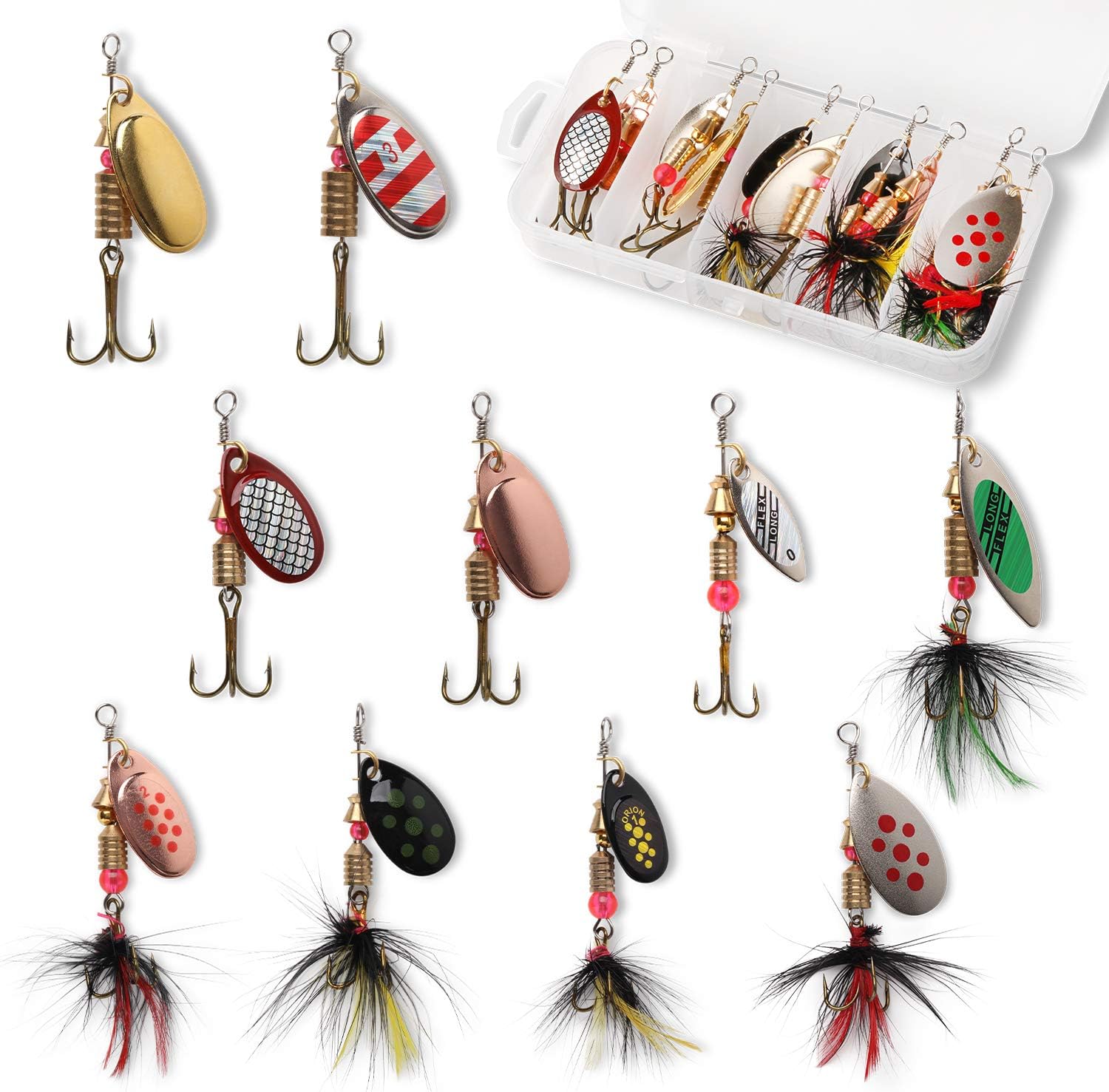
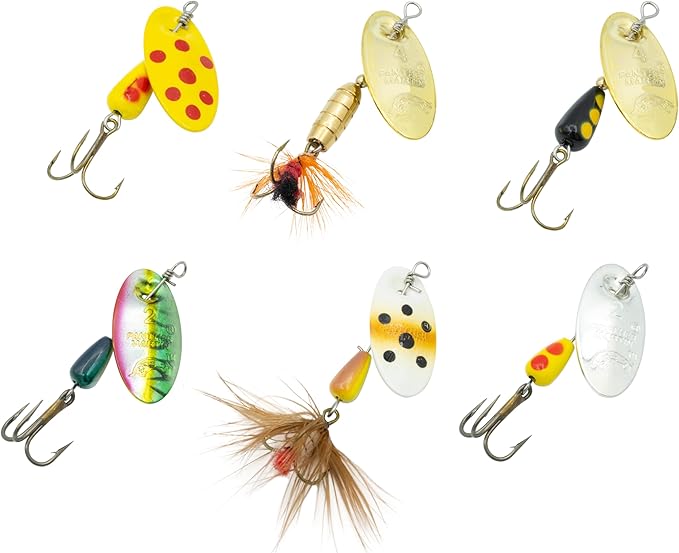
    Spin fishing catches rainbows as well as any method — and on many stocked lakes it catches more fish than fly fishing. A Panther Martin or Mepps spinner retrieved slowly past holding water will produce strikes even when fish aren’t actively feeding.

    Panther Martin spinner in sizes 1/16–1/4 oz

    Panther Martin spinner

    ➜ Panther Martin Spinner — Buy on Amazon

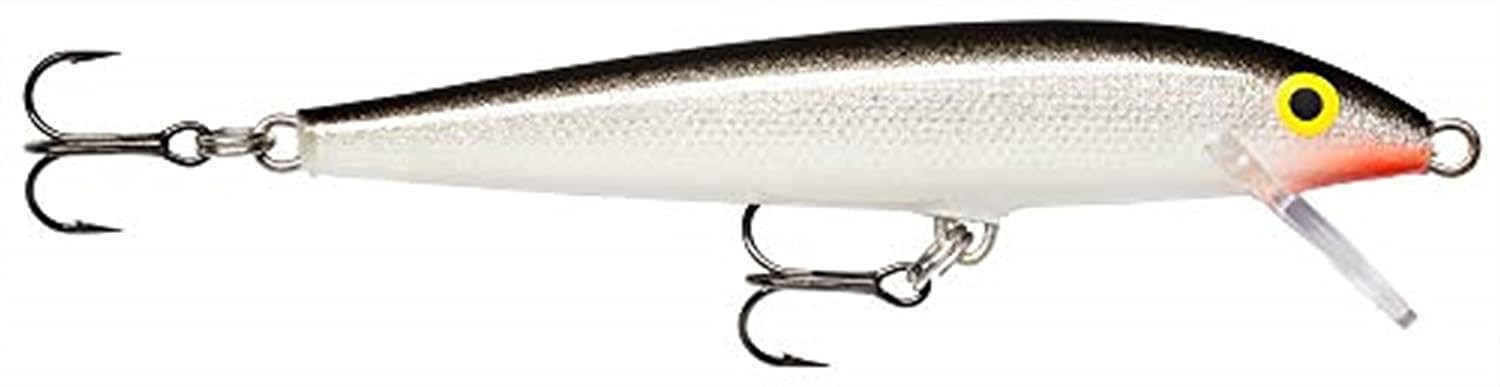
    Rapala Original Floating Minnow F05 — the classic since 1936. Looks like an injured baitfish in the water.

    Rapala Original F05

    ➜ Rapala Original F05 — Buy on Amazon

    Bait Fishing

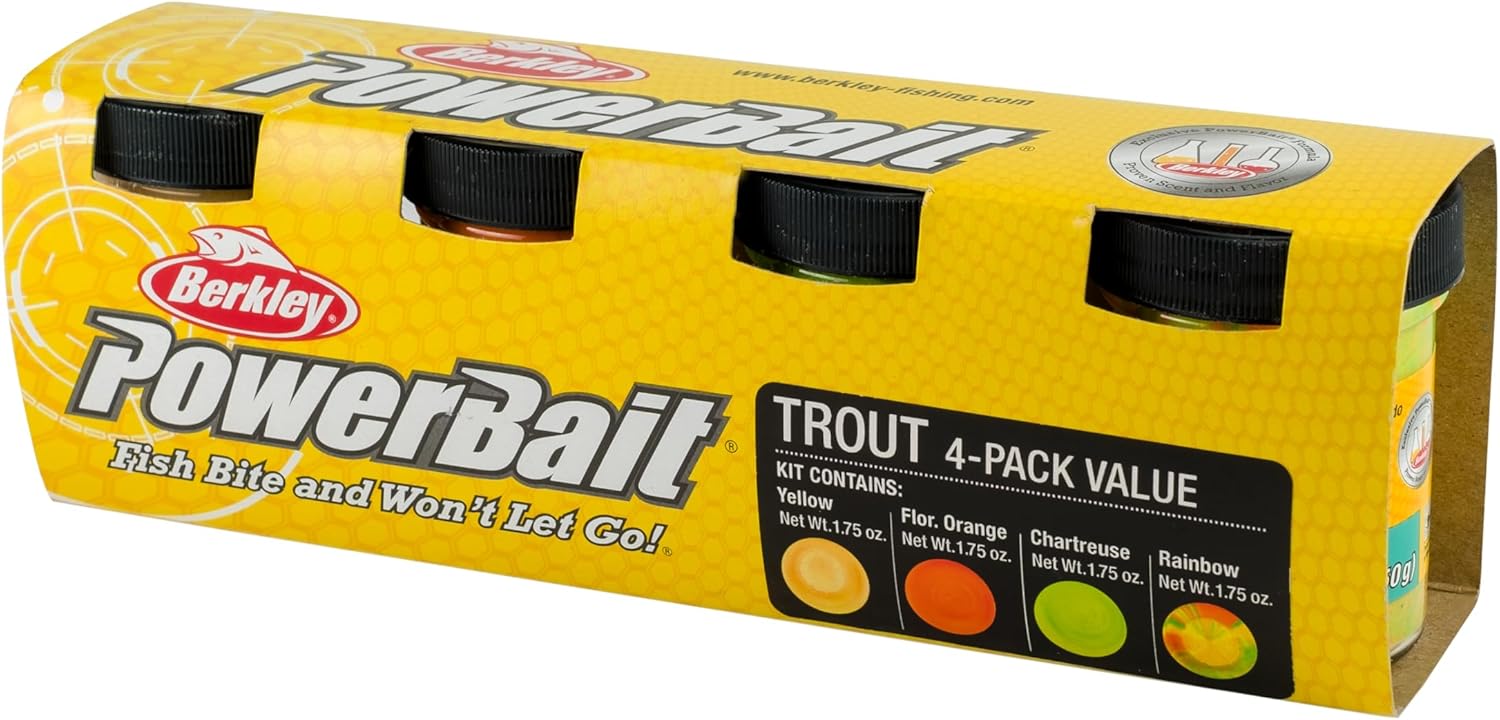
    For stocked rainbows, PowerBait is the single most effective bait you can use. Engineered specifically to match what hatchery fish are fed, in colors that signal “food” to their conditioned brains. Chartreuse and rainbow are the go-to colors at most SoCal lakes. Big Bear, Dixon, Irvine — PowerBait works at all of them.

    Real talk on PowerBait fishing: it’s effective but it’s not exciting. You cast, set the rod in a holder, and wait. On a cold morning it’s a test of willpower. The payoff is that it catches fish consistently and it’s the best technique for kids who need action to stay engaged. It’s how my daughter Scarlett caught her first trout.

    Berkley PowerBait

    ➜ Berkley PowerBait Rainbow — Buy on Amazon

    Rainbow Trout Gear

    Fly rod: 9-foot, 5-weight is the standard all-around rainbow rod.

    ➜ Orvis Clearwater 9ft 5wt — Buy on Amazon

    Spinning rod: 6-foot ultralight rated for 2–6 lb line.

    ➜ Ugly Stik Elite 6ft Ultralight — Buy on Amazon

    See our full gear guide for complete recommendations.

    Wild vs. Stocked Rainbows

    A quick honest section that most articles skip. Stocked rainbows and wild rainbows are different fish even though they’re the same species:

    Stocked rainbows:

    • Concrete raceway upbringing, fed pellets their whole lives
    • Aggressive, dumb, eat brightly-colored food items
    • Congregate in predictable spots near stocking trucks
    • Don’t fight as hard as wild fish — soft-bodied, often exhausted quickly
    • Usually don’t survive past their first year in most waters
    • Perfect for learning, for kids, and for keeping to eat

    Wild rainbows:

    • Born in the stream, shaped by natural selection
    • Selective, spooky, match the hatch or don’t eat at all
    • Hold in specific lies, move based on current and food availability
    • Fight significantly harder — pound for pound one of the strongest freshwater fish
    • Should be released in most wild fisheries

    Both are fun to fish for, but they require different approaches. A PowerBait rig that cleans up at Dixon will be largely useless on the Poudre. A size-18 Parachute Adams that fools wild fish will be ignored by stockers who’ve never seen a real bug.

    Plan and Book a Guided Fly Fishing Trip

    If you’re traveling to a big-name trout destination, a guide for your first day is one of the best investments in fishing. They know the water, the current hatch, and the productive lies — you’ll catch more fish in one day with a good guide than in several days fumbling around on your own.

    ➜ Search Guided Fishing Trips — Viator

    Frequently Asked Questions

    What size rainbow trout is a trophy?

    Depends on the water. In most rivers, over 20 inches is notable. In premium tailwaters and reservoirs, 24+ inches is a trophy. In Alaska, rainbows over 28 inches are the target fish — anything smaller is an appetizer.

    What’s the best bait for rainbow trout?

    PowerBait for stocked fish. Live worms, salmon eggs, or small spinners for wild fish. In rivers, small nymphs and dry flies outperform all bait methods for wild rainbows.

    When is the best time to fish for rainbows?

    Early morning and late evening are consistently the most productive periods. Midday can be slow except during active hatches. Spring and fall are the peak seasons; summer can be tough when water warms above 68°F.

    Do rainbows eat at night?

    Less than browns do, but some nighttime feeding occurs, especially in summer when days are hot. Dawn and dusk are generally better than full dark for rainbows.

    Why are my stocked rainbows skinny and beaten up?

    Hatchery fish that have been in a lake or stream for several weeks have lost their pellet-food weight and haven’t fully adapted to wild food. They’ll fatten up over time if they survive. The prettiest stocked rainbows are usually the freshly-stocked ones or ones that have been in the wild for months.


    Related Guides


    About the Author

    By Kenny — SoCal angler who learned trout fishing during college years in Fort Collins, Colorado (Poudre, Horsetooth, Estes Park) and now fishes the Sierras and SoCal lakes with my daughter Scarlett. No steelhead or salmon yet, and no ice fishing — those are on the list.