
Rainbow trout are the most widely caught freshwater gamefish in North America — stocked in lakes and streams from Maine to Hawaii and thriving as wild fish across the Rocky Mountain West. Almost everyone’s first trout is a rainbow. Mine was, decades ago at a SoCal stocked lake on a snelled hook with a chartreuse PowerBait glob. Nothing fancy, but I was hooked on trout fishing after that first fight.
Rainbows are what most anglers think of when they picture “trout” — acrobatic, hard-fighting, willing to eat a wide variety of presentations, and found almost everywhere. They’re also the most forgiving trout species for new anglers, which is part of why they’re stocked so heavily. If you’re learning, rainbows are the fish that’s going to teach you the most.
Rainbow Trout Habitat
Rainbow trout require cold, well-oxygenated water. Their preferred temperature range is 50–65°F. In rivers they hold in current seams — the transition between fast and slow water where food drifts by consistently. In lakes they follow the thermocline in summer, moving to deeper, cooler water as the surface warms, and coming shallow again in spring and fall.
Wild rainbows and stocked rainbows behave differently. A freshly-stocked fish is dumb — it’s spent its life in a concrete raceway being fed pellets, and it’ll hit almost anything brightly-colored. A wild Poudre River rainbow is a completely different animal — spooky, selective, and willing to eat only what matches the current insect activity. Knowing which you’re fishing for changes the whole game.
Best Techniques for Rainbow Trout
Fly Fishing
Dry fly fishing during hatches is the most exciting way to catch rainbows — you see the take, the strike is visual and immediate, and a rising rainbow is the classic trout fishing moment. But hatches aren’t always on. Nymphing is what actually produces fish most days, most places.
Elk Hair Caddis (sizes 14–18) — universal dry fly for riffled water. When caddisflies are hatching, this is the fly. Even when they’re not, fish take it anyway.
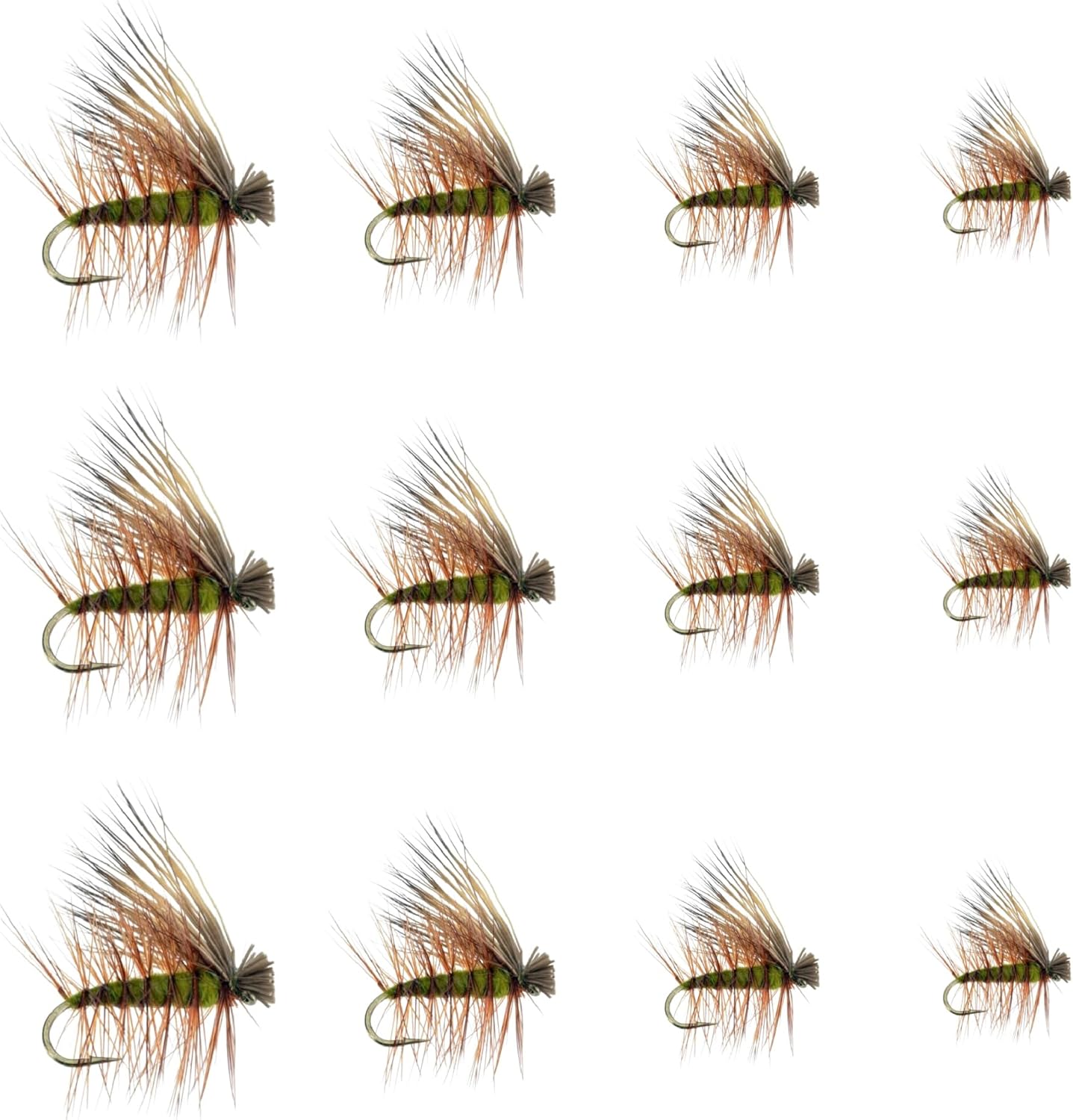
➜ Elk Hair Caddis Assortment — Buy on Amazon
Pheasant Tail Nymph (sizes 14–18) — the most versatile nymph ever tied. Works year-round on every rainbow stream I’ve ever fished. If I had to pick one fly to take trout fishing anywhere in the country, this would be it.
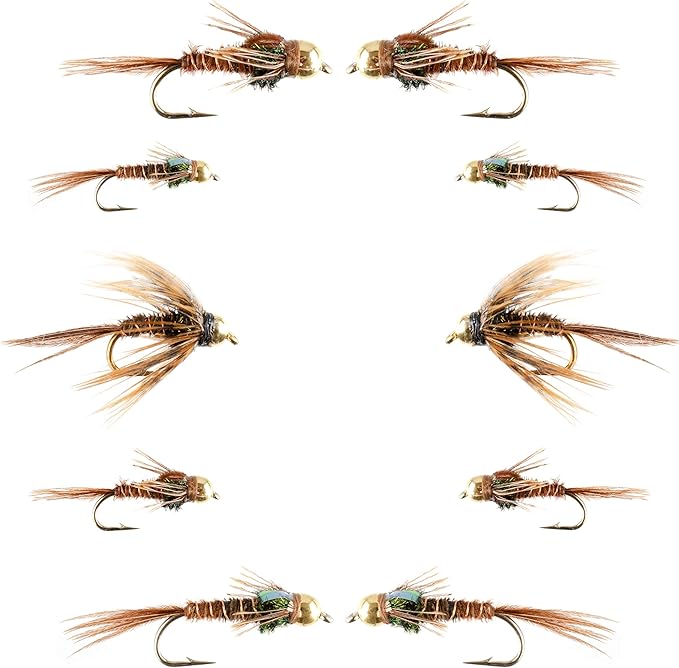
➜ Pheasant Tail Nymph Assortment — Buy on Amazon
Woolly Bugger (sizes 6–10, black and olive) — streamer that produces the largest rainbows. Strip it through deep runs and undercut banks and hold on.
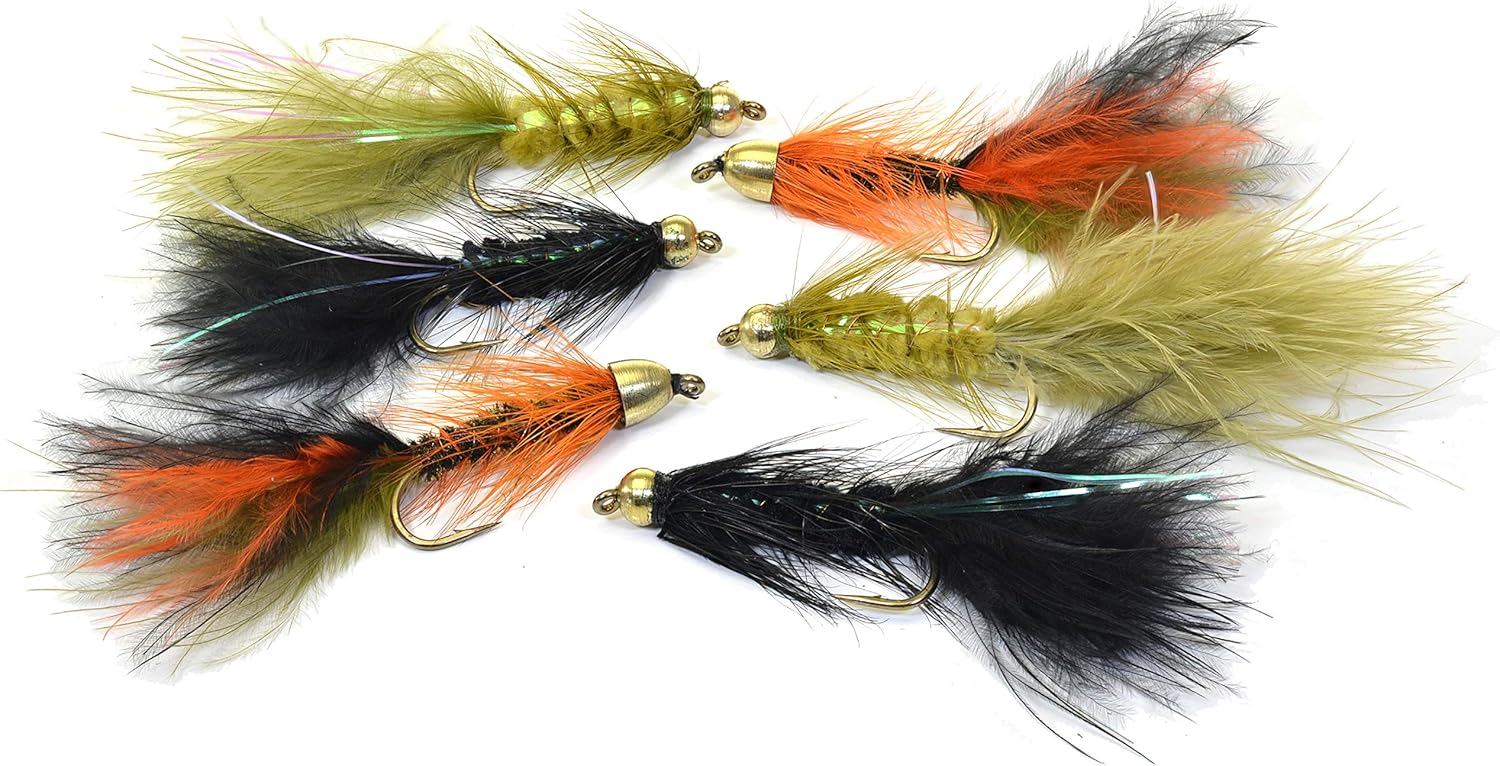
➜ Woolly Bugger Assortment — Buy on Amazon
Spin Fishing
Spin fishing catches rainbows as well as any method — and on many stocked lakes it catches more fish than fly fishing. A Panther Martin or Mepps spinner retrieved slowly past holding water will produce strikes even when fish aren’t actively feeding.
Panther Martin spinner in sizes 1/16–1/4 oz
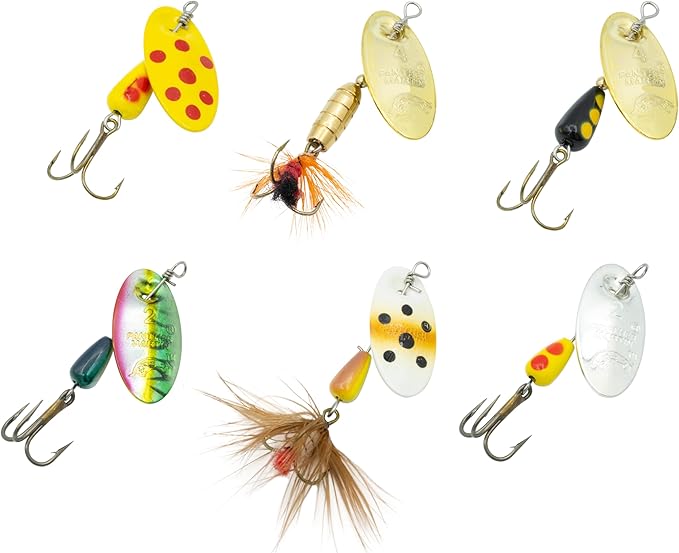
➜ Panther Martin Spinner — Buy on Amazon
Rapala Original Floating Minnow F05 — the classic since 1936. Looks like an injured baitfish in the water.
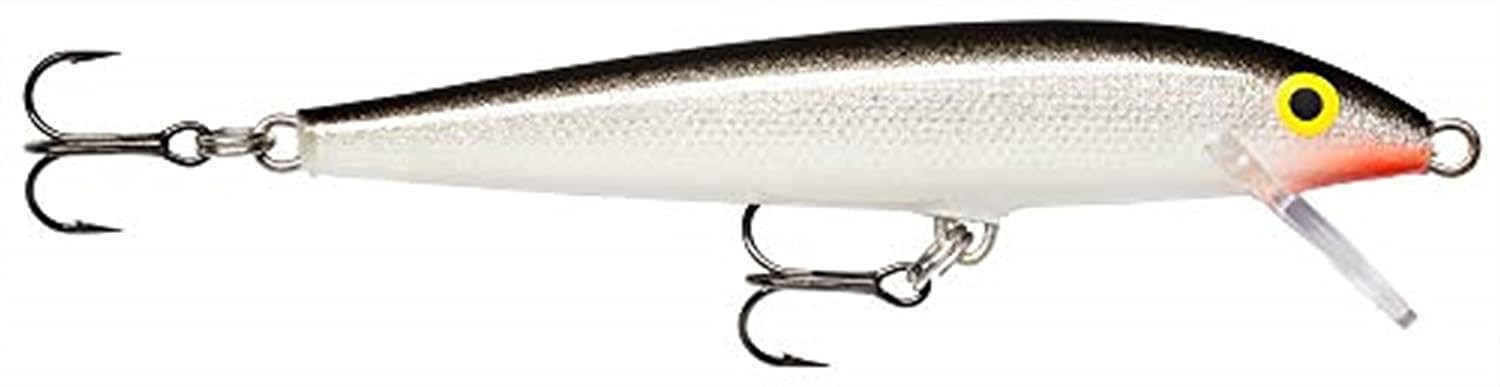
➜ Rapala Original F05 — Buy on Amazon
Bait Fishing
For stocked rainbows, PowerBait is the single most effective bait you can use. Engineered specifically to match what hatchery fish are fed, in colors that signal “food” to their conditioned brains. Chartreuse and rainbow are the go-to colors at most SoCal lakes. Big Bear, Dixon, Irvine — PowerBait works at all of them.
Real talk on PowerBait fishing: it’s effective but it’s not exciting. You cast, set the rod in a holder, and wait. On a cold morning it’s a test of willpower. The payoff is that it catches fish consistently and it’s the best technique for kids who need action to stay engaged. It’s how my daughter Scarlett caught her first trout.
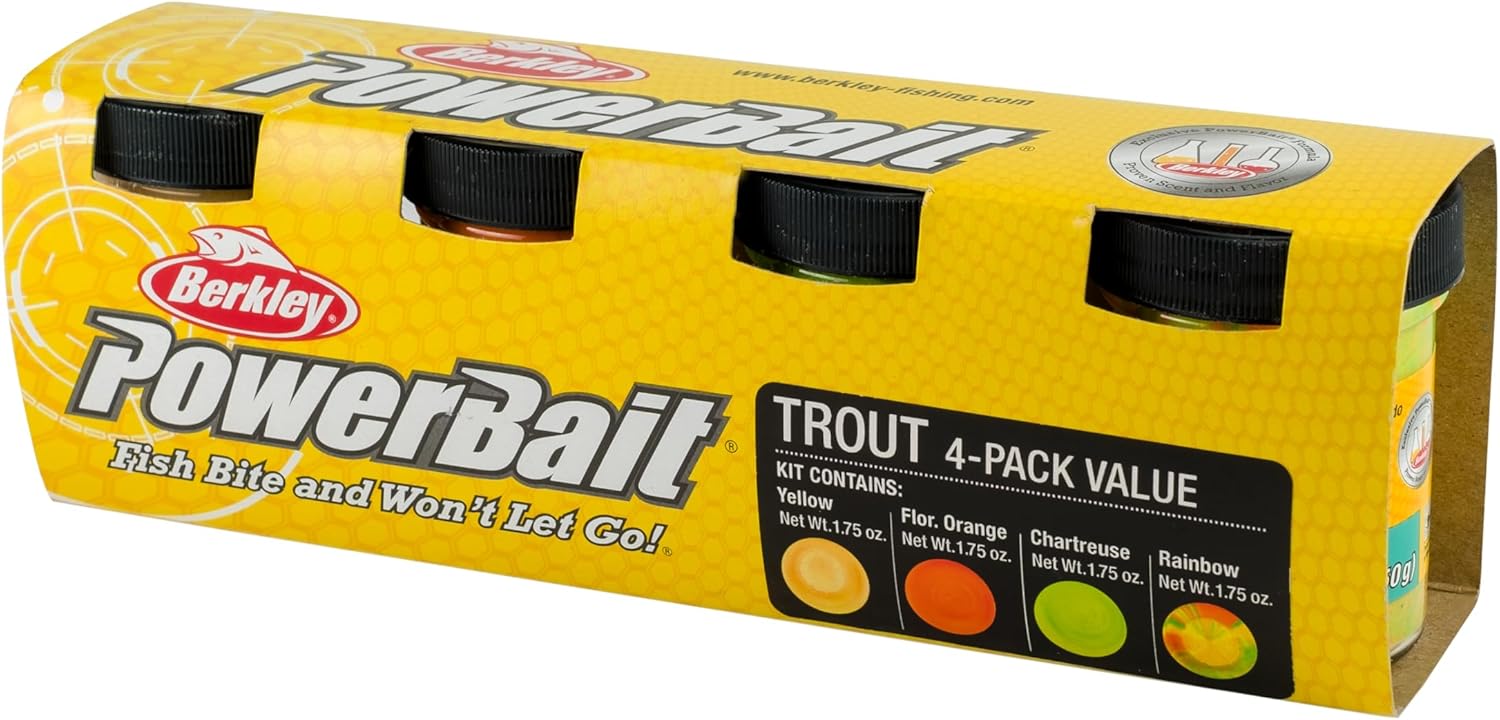
➜ Berkley PowerBait Rainbow — Buy on Amazon
Rainbow Trout Gear
Fly rod: 9-foot, 5-weight is the standard all-around rainbow rod.
➜ Orvis Clearwater 9ft 5wt — Buy on Amazon
Spinning rod: 6-foot ultralight rated for 2–6 lb line.
➜ Ugly Stik Elite 6ft Ultralight — Buy on Amazon
See our full gear guide for complete recommendations.
Wild vs. Stocked Rainbows
A quick honest section that most articles skip. Stocked rainbows and wild rainbows are different fish even though they’re the same species:
Stocked rainbows:
- Concrete raceway upbringing, fed pellets their whole lives
- Aggressive, dumb, eat brightly-colored food items
- Congregate in predictable spots near stocking trucks
- Don’t fight as hard as wild fish — soft-bodied, often exhausted quickly
- Usually don’t survive past their first year in most waters
- Perfect for learning, for kids, and for keeping to eat
Wild rainbows:
- Born in the stream, shaped by natural selection
- Selective, spooky, match the hatch or don’t eat at all
- Hold in specific lies, move based on current and food availability
- Fight significantly harder — pound for pound one of the strongest freshwater fish
- Should be released in most wild fisheries
Both are fun to fish for, but they require different approaches. A PowerBait rig that cleans up at Dixon will be largely useless on the Poudre. A size-18 Parachute Adams that fools wild fish will be ignored by stockers who’ve never seen a real bug.
Plan and Book a Guided Fly Fishing Trip
If you’re traveling to a big-name trout destination, a guide for your first day is one of the best investments in fishing. They know the water, the current hatch, and the productive lies — you’ll catch more fish in one day with a good guide than in several days fumbling around on your own.
➜ Search Guided Fishing Trips — Viator
Frequently Asked Questions
What size rainbow trout is a trophy?
Depends on the water. In most rivers, over 20 inches is notable. In premium tailwaters and reservoirs, 24+ inches is a trophy. In Alaska, rainbows over 28 inches are the target fish — anything smaller is an appetizer.
What’s the best bait for rainbow trout?
PowerBait for stocked fish. Live worms, salmon eggs, or small spinners for wild fish. In rivers, small nymphs and dry flies outperform all bait methods for wild rainbows.
When is the best time to fish for rainbows?
Early morning and late evening are consistently the most productive periods. Midday can be slow except during active hatches. Spring and fall are the peak seasons; summer can be tough when water warms above 68°F.
Do rainbows eat at night?
Less than browns do, but some nighttime feeding occurs, especially in summer when days are hot. Dawn and dusk are generally better than full dark for rainbows.
Why are my stocked rainbows skinny and beaten up?
Hatchery fish that have been in a lake or stream for several weeks have lost their pellet-food weight and haven’t fully adapted to wild food. They’ll fatten up over time if they survive. The prettiest stocked rainbows are usually the freshly-stocked ones or ones that have been in the wild for months.
Related Guides
- Fly Fishing for Trout
- Spin Fishing for Trout
- Complete Gear Guide
- All Trout Species
- Montana Fishing Guide
- PowerBait and Stocked Trout
About the Author
By Kenny — SoCal angler who learned trout fishing during college years in Fort Collins, Colorado (Poudre, Horsetooth, Estes Park) and now fishes the Sierras and SoCal lakes with my daughter Scarlett. No steelhead or salmon yet, and no ice fishing — those are on the list.
Affiliate Disclosure: As an Amazon Associate, troutfishing-hq.com earns from qualifying purchases. Links to Amazon on this page are affiliate links — if you click and buy, we may earn a small commission at no extra cost to you.