
Steelhead are sea-run rainbow trout — the same species biologically, but ocean-run individuals that spend 1–4 years feeding and growing in saltwater before returning to their native rivers to spawn. Those years in the ocean produce fish dramatically larger and stronger than resident rainbows. A fresh chrome steelhead straight out of salt water is one of the hardest-fighting fish in freshwater. By reputation, catching one ranks among the great experiences in fishing.
I haven’t caught a steelhead yet. It’s the fish I most want to catch that’s still missing from my list. Every Pacific Northwest and Great Lakes angler I’ve talked to rates it as their favorite fish, and the combination of chrome beauty, ocean-fed size, and a fight that tests both your tackle and your patience is something I’m planning to travel for. This guide is built from research, angling friends, and the techniques that work consistently across the major steelhead fisheries — not from first-hand steelhead experience. Bylines elsewhere on the site will tell you where I’m writing from personal time on the water.
Summer vs Winter Steelhead Runs
Steelhead enter rivers in two distinct runs, and they fish very differently:
Winter steelhead enter rivers from November through March. They’re typically smaller fish (8–12 pounds average) but arrive in larger numbers. Water is high, cold, and often off-color from winter rain and snowmelt, which means gear fishing dominates — beads, roe, spinners, and weighted drift rigs outproduce fly fishing in most winter conditions. Winter steelhead are the targets of most Washington, Oregon, and Idaho river anglers from December through February.
Summer steelhead enter from May through October and often stay in rivers for months before spawning the following spring. They hold in classic holding water at classic holding depths, which is why they’re the primary targets for spey fly anglers on the Deschutes, North Umpqua, and similar famous summer rivers. Summer fish in clear low water are the visual dry-line swinging fly experience that’s made rivers like the Deschutes legendary.
Swinging Flies — The Classic Method
Swinging a wet fly across the current on a two-hand or spey rod is the traditional steelhead technique. The fly starts upstream, the current sweeps it in a controlled arc across and through holding water, ending directly below the angler. A steelhead taking a swinging fly is the signature moment of Pacific Northwest fishing — the grab is distinctive, the fight begins with the fish already running, and the angle of the line tells you everything about what’s happening below.
This is the technique that defines summer steelhead culture. Two-hand rods, long dry or intermediate lines, flies that push water or suggest baitfish. The Deschutes and North Umpqua are where it’s practiced at the highest level.
Intruder-style articulated patterns — large flies that push water and imitate small baitfish. The go-to swung fly for winter steelhead and big-water summer fish.
➜ Intruder Steelhead Fly Assortment — Buy on Amazon
Drift Fishing — Beads and Roe
Drift fishing with beads or roe under a float is the most productive technique on winter steelhead, particularly in high, colored water where swung flies are largely ineffective. Pegged beads imitating salmon eggs dominate on most rivers — steelhead key in on salmon eggs during and after the fall salmon spawn. A pegged bead drifted through holding water produces consistently when nothing else will.
Gear anglers also use roe bags (salmon eggs in mesh) and plugs run off diver planers. This is productive meat-fishing technique and accounts for the majority of winter steelhead caught on most Pacific Northwest rivers.
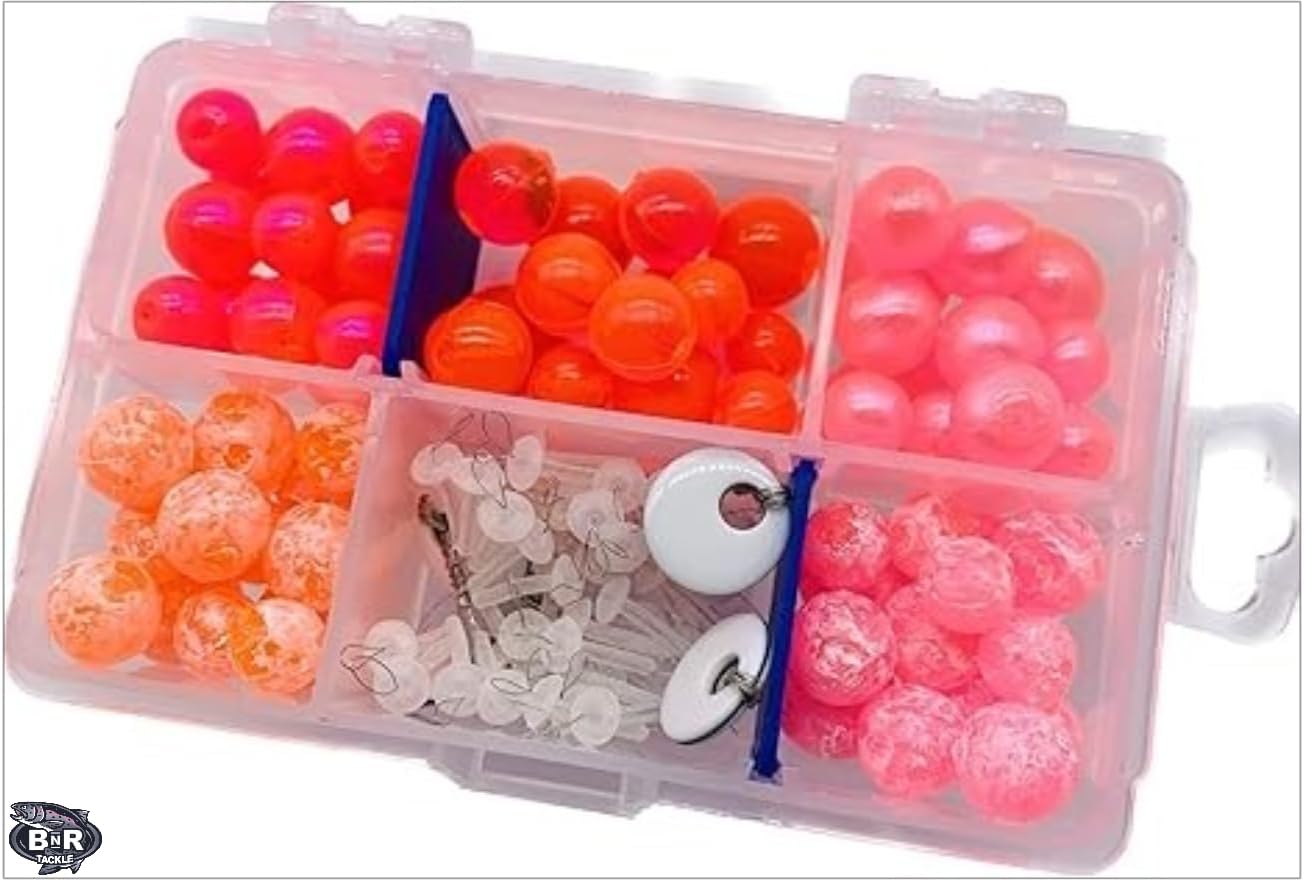
➜ BnR Tackle Soft Beads Pack — Buy on Amazon
Spinners
Spinners catch steelhead consistently on both coasts. Large spinners (size 4–5) cover water efficiently and trigger aggressive strikes from fish that aren’t interested in subtler presentations. Bright colors (chartreuse, pink) in turbid water; natural (silver, gold) in clear water. Summer steelhead in clear low water will eat a well-presented spinner; winter steelhead in color water often prefer something flashier.
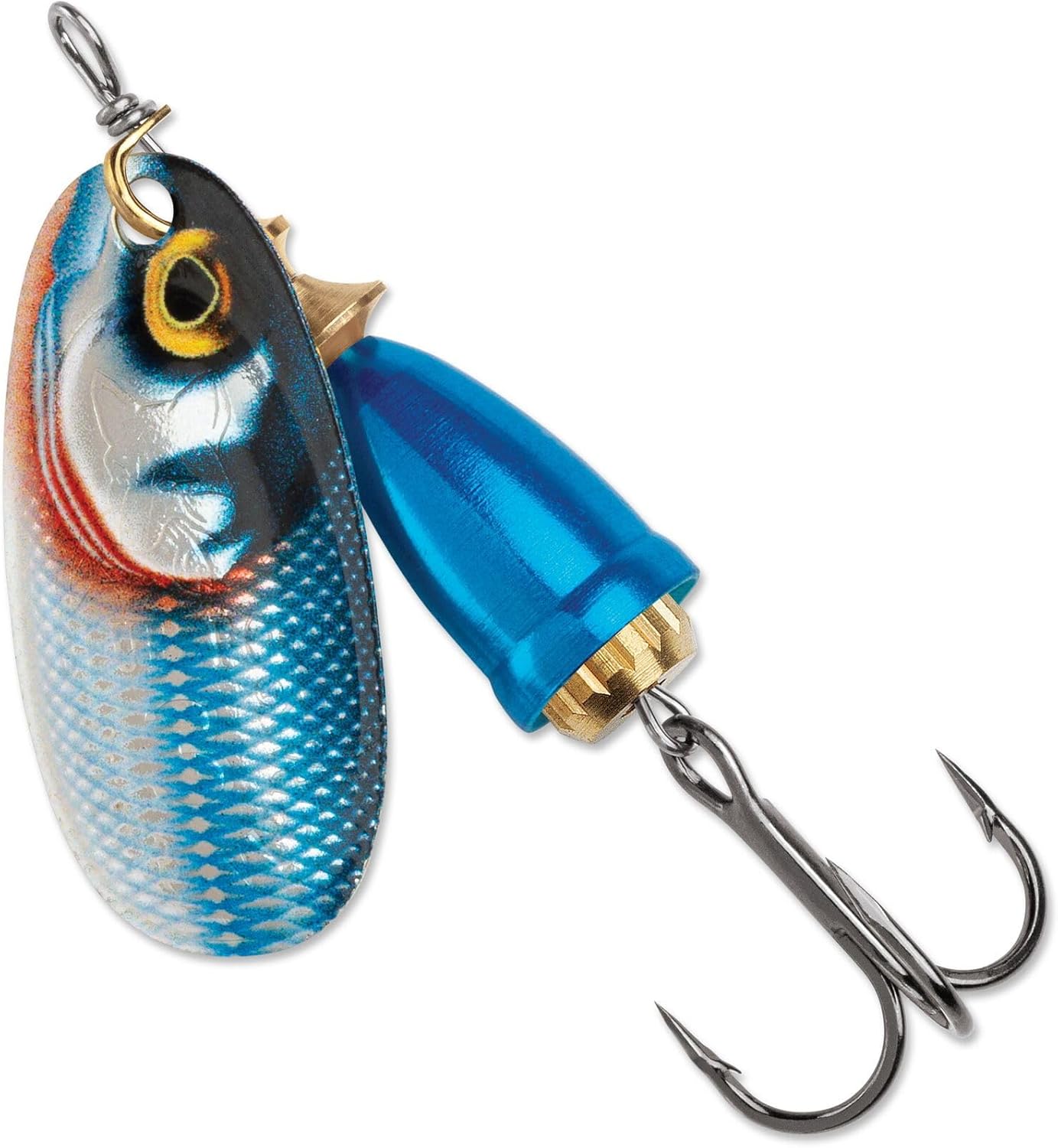
➜ Blue Fox Vibrax Size 4 — Buy on Amazon
Steelhead Gear
Two-hand (spey) rod: 12.5 foot, 7–8 weight for swinging flies. Spey rods let you make long casts with limited backcast room — essential on rivers where overhanging trees make single-hand casting impractical. Learning to cast a spey rod takes dedicated practice; most anglers take a lesson or two before they’re efficient.
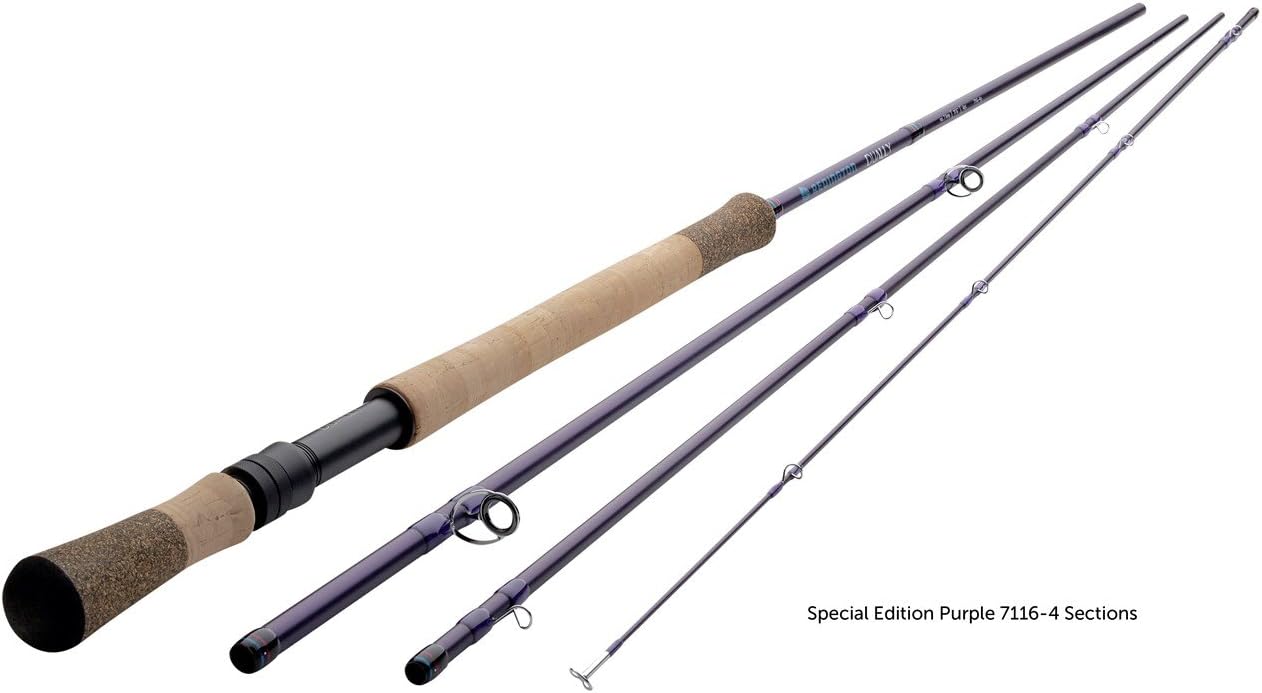
➜ Redington Dually Rod — Buy on Amazon
Waders: Neoprene 3–5mm for winter steelhead — you’ll be standing in very cold water for long periods. Breathable waders with serious insulating layers underneath for summer. Either way, don’t cheap out on waders for steelhead — you’ll be wet for full days in cold water and quality matters.
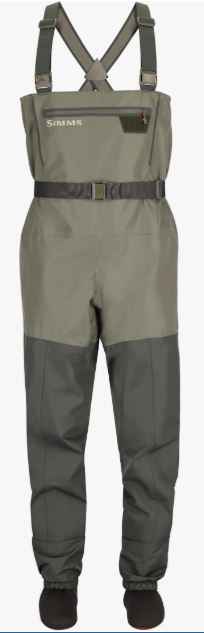
➜ Simms Tributary waders — Buy on Amazon
Best Steelhead Rivers
- Deschutes River, Oregon — arguably the best dry-line summer steelhead in the US
- North Umpqua, Oregon — legendary summer steelhead; fly-fishing-only regulations on the upper river
- Clearwater River, Idaho — exceptional summer and fall steelhead; big fish water
- Skagit River, Washington — iconic winter steelhead fishery
- Hoh River, Washington — Olympic Peninsula wild winter steelhead
- Salmon River, New York — largest Great Lakes steelhead fishery; massive fall and spring runs
- Pere Marquette River, Michigan — Michigan’s most productive steelhead river
- Situk River, Alaska — small river, massive returns; among the most productive steelhead fisheries in the world
Great Lakes Steelhead
Steelhead were stocked into the Great Lakes decades ago and now run seasonally in tributaries around the lakes — Michigan, New York, Ohio, Pennsylvania, Wisconsin, and Ontario all have established steelhead fisheries. For anglers who can’t travel to the Pacific Northwest, Great Lakes steelhead is the realistic alternative. The fish aren’t technically sea-run (they run between the Great Lakes and the tributaries), but they behave like Pacific steelhead and fight the same way.
Fall and spring runs are peak. The New York Salmon River has some of the most productive steelhead fishing on the continent in October and November, and the Michigan rivers run steelhead from late fall through spring. See our Great Lakes steelhead guide for details.
Book a Guided Steelhead Trip
This is a fish worth booking a guide for, especially on your first trip. Steelhead water is big, holding lies are not always obvious, and a good guide has spent years learning which runs fish best at which water levels. One day with a competent guide will teach you more than a week figuring it out on your own.
➜ Browse Guided Steelhead Fishing Trips — Viator
Frequently Asked Questions
How big do steelhead get?
Average steelhead run 6–12 pounds depending on the river and run type. Trophy fish over 20 pounds are caught annually on top rivers like the Clearwater and Situk. The world record exceeds 42 pounds. Great Lakes steelhead typically run slightly smaller on average than Pacific steelhead but overlap in maximum size.
How hard are steelhead to catch?
They have a deserved reputation as one of the most challenging fish in freshwater. The “fish of a thousand casts” line isn’t a joke — many anglers genuinely fish multiple full days without hooking one. The challenge is part of why catching a steelhead is so rewarding. That said, timing matters enormously — fish a productive river during peak run timing and your odds improve dramatically.
What’s the difference between a steelhead and a salmon?
Steelhead are rainbow trout that went to the ocean; they return to spawn but most survive and can spawn multiple times. Pacific salmon return to spawn and die — one trip, one spawn, then death. Biologically they’re in different genera. Behaviorally, steelhead fight differently (more jumps, longer fights) and are caught with different techniques than salmon.
When is the best time for steelhead?
Depends on the river and run type. Pacific Northwest winter steelhead: December through February on most rivers. Summer steelhead: July through October, with August and September often the peak. Great Lakes: October through November in the fall, March through May in the spring.
Do I need a two-hand rod for steelhead?
No — it’s traditional for summer steelhead swinging, but many anglers catch more fish on single-hand rods with indicator nymph rigs, streamers, or gear setups. Two-hand casting is a skill worth learning if you want to fish it “the classic way,” but it’s not required to catch steelhead.
Related Guides
- Pacific Northwest Fishing Guide
- Great Lakes Steelhead Guide
- All Trout Species
- Gear Guide
- Fly Fishing for Trout
About the Author
By Kenny — SoCal angler who learned trout fishing during college years in Fort Collins, Colorado (Poudre, Horsetooth, Estes Park) and now fishes the Sierras and SoCal lakes with my daughter Scarlett. No steelhead or salmon yet, and no ice fishing — those are on the list.
Affiliate Disclosure: As an Amazon Associate, troutfishing-hq.com earns from qualifying purchases. Links to Amazon on this page are affiliate links — if you click and buy, we may earn a small commission at no extra cost to you.