
Fly fishing has a reputation for complexity that’s partly deserved and mostly exaggerated. Catching trout on a fly rod — consistently — is absolutely achievable for a beginner with a few hours of practice and a basic grasp of the fundamentals. The gear costs more than spinning, the learning curve is real, and your first day on the water will be humbling. But most people who give fly fishing a fair shot end up preferring it to spinning for trout. I’m one of them, even though I do both.
My honest take up front: I’m biased. I love fly fishing. Moving water, a well-cast line, the visual strike on a dry fly — it’s hard to compete with. But I also know fly fishing has a real cost barrier and a real learning curve, and not everyone wants to deal with either. If you’re on the fence, read this and see how you feel by the end.
How Fly Fishing Works
In conventional fishing, the weight of the lure carries the line. You cast a quarter-ounce spoon and the line follows it.
In fly fishing, the weight of the line carries the fly. The fly line itself is thick and heavy — designed to be cast. The nearly-weightless fly goes along for the ride. This inverted design is why fly casting looks different, feels different, and requires different technique than spin casting.
What this design lets you do: present an incredibly small or light fly (a size-18 dry fly is almost nothing in your hand) with accuracy and softness that no other method can match. A fly floating on a drag-free drift looks to the fish exactly like a real insect. That’s the whole point.
Essential Gear
Where quality really matters for fly fishing. Cheap fly gear casts poorly and frustrates beginners into quitting. If you’re serious, spend the money on a decent starter setup — you’ll enjoy it more and stick with it.
Fly rod: 9-foot, 5-weight is the all-around trout rod. Handles dry flies, nymphs, and light streamers on most water.
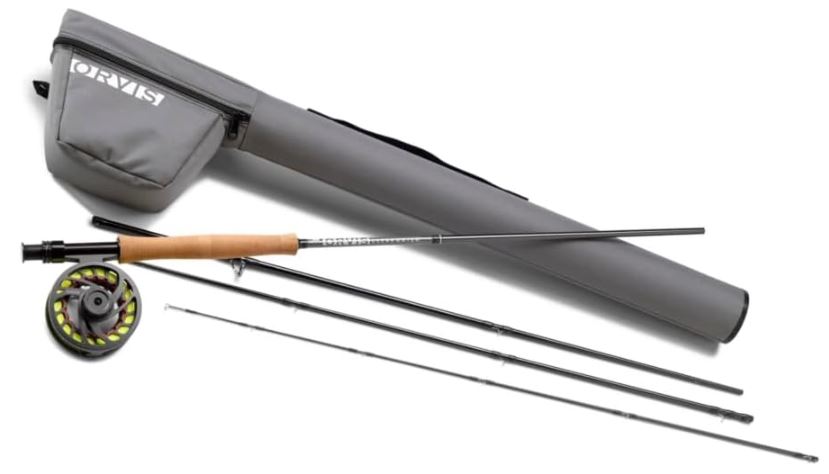
➜ Orvis Clearwater 9ft 5wt — Buy on Amazon
Fly reel: Match it to the rod weight. For most trout fishing, the reel is primarily a line storage device — the drag matters less than you’d think.
➜ Redington Behemoth Fly Reel — Buy on Amazon
Fly line: Weight-forward floating, matched to the rod weight (5-weight line on a 5-weight rod). This is the part most beginners skimp on and regret. Quality fly line matters more than a quality rod — a great line on a mid-range rod casts better than the reverse.
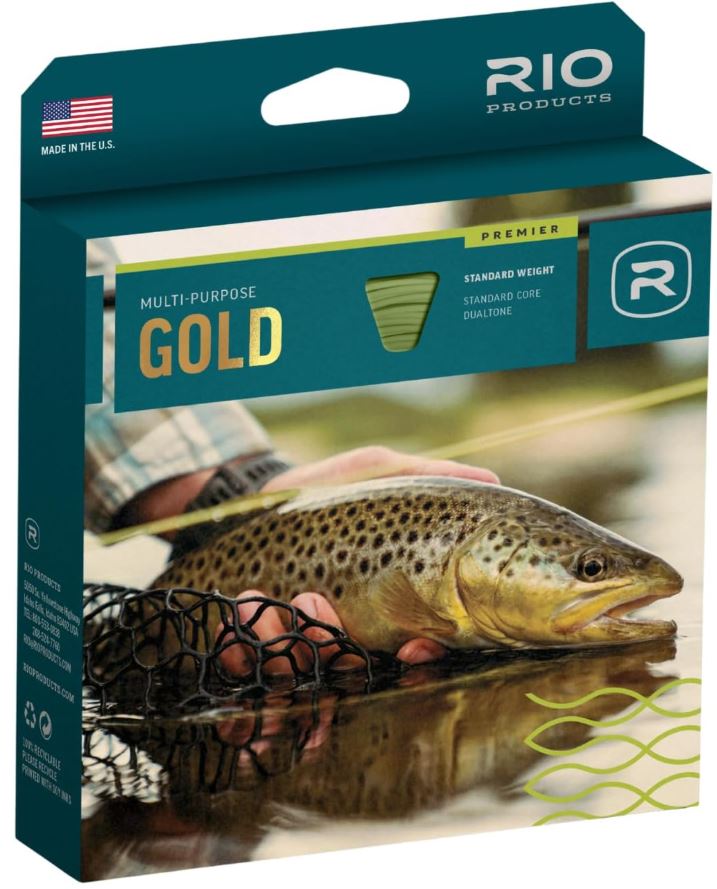
➜ Rio InTouch Gold WF5F — Buy on Amazon
Tippet: 5X (about 4.75 lb) for most dry fly and nymph fishing. Go heavier (4X) for larger flies and streamers; lighter (6X, 7X) for tiny dry flies on clear water.
➜ Rio Powerflex Tippet 5X — Buy on Amazon
Waders: Breathable waders for most conditions. My first time wading the Poudre in April without proper gear convinced me — cold trout-stream water is no joke, and good waders are the difference between a full day and quitting at lunch.
➜ Simms Tributary Waders — Buy on Amazon
Net: Rubber mesh to protect fish during catch-and-release. Essential gear for fly fishing.
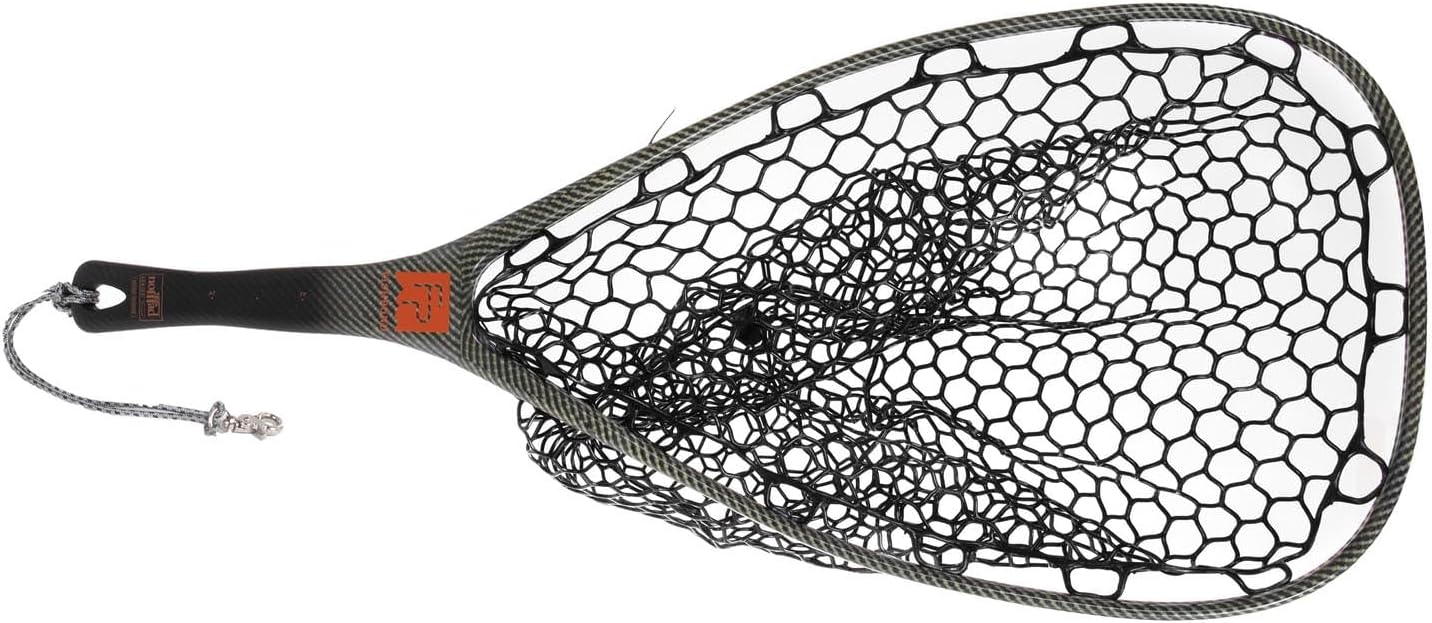
➜ Fishpond Nomad Net — Buy on Amazon
The Three Methods
Fly fishing for trout breaks into three basic methods. Every fly fishing trip uses at least one of these, often more.
Dry Fly
A fly floating on the surface — the most exciting and visual method. You see the take, the strike is immediate and satisfying. Most effective during active hatches when trout are rising to eat adult insects. Cast upstream of rising fish, let the fly drift naturally without dragging across the current.
Dry fly fishing depends on matching the hatch — using a fly that imitates whatever insect is currently emerging. On most rivers, you’ll see caddisflies, mayflies, and midges at different times of year. Carry a small selection of patterns in sizes 14–18 and you’ll match most hatches.
Nymphing
Flies that imitate larval insects drifted near the bottom, usually under a strike indicator (a “bobber” in fly terms). Nymphing is the most consistently productive method when fish aren’t rising — which is most of the time, honestly. Most fly-caught trout are caught on nymphs, not dry flies, even though dry fly fishing gets all the magazine coverage.
The basic nymph rig: strike indicator 6–10 feet above the fly, split shot on the leader to sink the fly, and a weighted nymph (or two) drifted through deep runs and pools. Adjust indicator depth until the nymph is bumping bottom — that’s where the fish are.
Streamers
Large wet flies imitating small fish, stripped through the water. Targets the largest trout in a river, especially browns. Most effective at dawn and dusk or in off-color water. The retrieve is aggressive — short, sharp strips that make the fly dart and pause like a wounded baitfish. A slow steady retrieve rarely produces.
Streamer fishing is the most likely way to catch a trophy brown trout. It’s also a great way to fish water that looks empty — a streamer stripped through a seemingly fishless run often produces the biggest fish of the day.
Essential Flies
You don’t need 500 fly patterns. You need 10, in the right sizes. These cover the vast majority of trout fishing situations across the country:
Dry Flies:
- Elk Hair Caddis (sizes 14–18) — imitates caddisflies; works everywhere
- Parachute Adams (sizes 14–18) — the universal dry fly; visible in mixed hatches
- Stimulator (sizes 10–14) — large attractor for riffled water
- Hopper (sizes 8–12) — summer terrestrial for meadow streams
Nymphs:
- Pheasant Tail Nymph (sizes 14–18) — the most versatile nymph ever tied
- Hare’s Ear Nymph (sizes 12–16) — general attractor; works year-round
- Copper John (sizes 14–18) — fast-sinking, visible; excellent under an indicator
- San Juan Worm (sizes 12–16) — looks like nothing special but is deadly
Streamers:
- Woolly Bugger (sizes 6–10, black and olive) — the most versatile wet fly in existence
- Muddler Minnow (sizes 6–10) — imitates sculpin; deadly on big browns
➜ Dry Fly Assortment — Buy on Amazon
➜ Nymph Assortment — Buy on Amazon
➜ Woolly Bugger Assortment — Buy on Amazon
Casting Basics
Fly casting looks complicated but the core technique is simple: you’re using the rod to load the line, then unloading it in the direction you want the fly to go. The rod flexes, stores energy, then releases it. The line follows.
Three things to focus on as a beginner:
- Stop the rod on the backcast. Beginners tend to let the rod fall back behind them, which collapses the line. A sharp stop at about the 1 o’clock position loads the rod properly.
- Wait for the line to straighten behind you. If you start the forward cast too early, the line tangles on itself. You can actually feel the rod load when the backcast line reaches full extension.
- Don’t muscle it. Fly casting is about timing, not force. More power produces worse casts for beginners. Smooth, measured strokes produce better results than aggressive ones.
A couple hours of practice in a park — just casting, no fish involved — is worth more than any amount of reading. Better yet, one good lesson is worth weeks of solo practice. A competent instructor can correct the three or four things most beginners do wrong in fifteen minutes.
Reading Water for Fly Fishing
Trout hold where food concentrates and where they can hold without spending energy fighting current. In a typical trout stream:
- Riffles oxygenate the water and produce insects. Food factory.
- Runs (the deeper water below riffles) are where most feeding trout hold.
- Pools hold the biggest fish but they often feed less actively.
- Pocket water (small holding spots behind rocks in fast water) holds catchable fish that are often overlooked.
- Current seams (where fast and slow water meet) are where trout hold to intercept drifting food.
Work upstream when possible — trout face into the current, so you approach from behind them. Cast short before you cast long; you often spook the fish right in front of you while trying to reach fish further out.
Book a Fly Fishing Lesson
I’ll say this plainly: one good lesson is worth weeks of solo practice. An instructor can correct your casting, show you how to read water, and have you catching fish in a day. Going it alone will get you there eventually but you’ll quit more times before you do.
➜ Browse Fly Fishing Lessons and Guide Trips — Viator
Frequently Asked Questions
Is fly fishing hard to learn?
There’s a real learning curve — probably a full season before it feels natural. The casting is the hardest part at first, then reading water, then matching flies to conditions. Each piece gets easier with time. After a season of regular fly fishing you’ll feel competent; after two seasons you’ll feel like you know what you’re doing.
How much does fly fishing gear cost?
A basic starter setup (rod, reel, line, waders, a few flies): $300–500. A decent mid-range setup: $500–1000. Premium gear: $1500+. You don’t need premium gear to catch fish, but the mid-range category is where the experience gets genuinely good. I wouldn’t start at the cheapest end — you’ll outgrow it fast.
Can you fly fish in lakes?
Yes. Lake fly fishing is its own subculture — nymph fishing under an indicator, streamer stripping, and dry fly fishing during hatches all work. Reservoirs like Lake Isabella and Horsetooth hold plenty of fish catchable on flies if you’re willing to cover water.
Do I need waders to fly fish?
Not always, but you’ll want them for most serious trout fishing. Fishing from shore limits your access to the water. Wet wading (just shorts and wading boots) works in warm summer conditions; anything colder and you need breathable waders.
What’s the best fly for trout?
If you can only pick one: Pheasant Tail Nymph in a size 16. It’s caught more trout, in more situations, than any other pattern I know.
Related Guides
- Complete Gear Guide
- Reading Water: Finding Trout
- Trout Fishing for Beginners
- Catch and Release
- Spin Fishing for Trout
About the Author
By Kenny — SoCal angler who learned trout fishing during college years in Fort Collins, Colorado (Poudre, Horsetooth, Estes Park) and now fishes the Sierras and SoCal lakes with my daughter Scarlett. No steelhead or salmon yet, and no ice fishing — those are on the list.