
You don’t need expensive gear to catch trout. A kid with an Ugly Stik and a jar of PowerBait at a stocked lake will catch plenty of fish. But the right gear makes trout fishing easier, more effective, and — honestly — a lot more fun. A quality fly rod loads and casts predictably. A good spinning reel doesn’t bind up in the cold. Decent waders mean you can fish all day instead of quitting when your feet get numb.
I’ve used enough cheap gear to know when skimping is fine and when it’s a mistake. Over the years fishing the Poudre in Colorado, the Kern in California, and dozens of SoCal stocked lakes, some patterns emerged. Below is what actually matters, what you can get away with cheap, and where it’s worth spending real money.
Fly Fishing Gear
This is where quality matters most. Cheap fly rods cast poorly, frustrate beginners, and send a lot of people back to spinning gear before they ever give fly fishing a real chance. If you’re serious about getting into fly fishing, my honest advice is to spend the money on a decent starter setup. You’ll enjoy the process more and you’ll stick with it.
Fly Rods
The 9-foot, 5-weight fly rod is the standard all-around trout rod. It handles dry flies, nymphs, and light streamers on most trout water from small streams to medium-sized rivers. If you’re buying one rod to cover most trout fishing situations, this is it.
Best budget fly rod: The Redington Crosswater is the go-to for beginners. Decent action, durable, and inexpensive enough that you won’t cry if you break it on your first wade down a rocky creek. It won’t feel like a premium rod, but it’ll catch fish and get you through the learning curve.
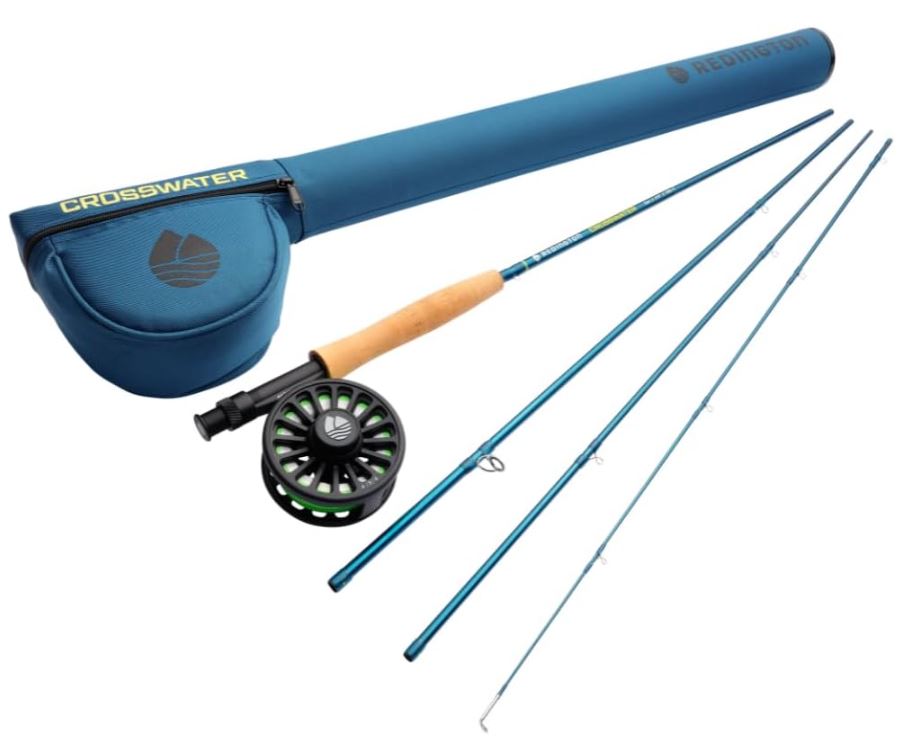
Redington Crosswater 9ft 5wt
Best mid-range fly rod: The Orvis Clearwater is where I’d actually start if you can swing the price. It’s the sweet spot between cost and performance — a genuine fishing tool that won’t hold you back as your skills develop. Most anglers I know who started with a Clearwater are still using it five years later.
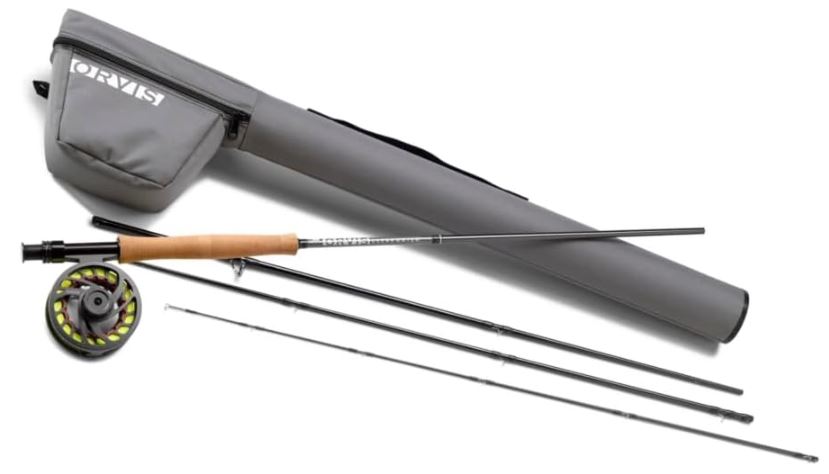
Orvis Clearwater 9ft 5wt
Best premium fly rod: The Winston AIR is what you buy when you’ve been fishing long enough to know exactly what you want. The difference from a mid-range rod is in feel, casting precision, and longevity — not necessary for most fishing but deeply satisfying when you’ve earned the ability to appreciate it.
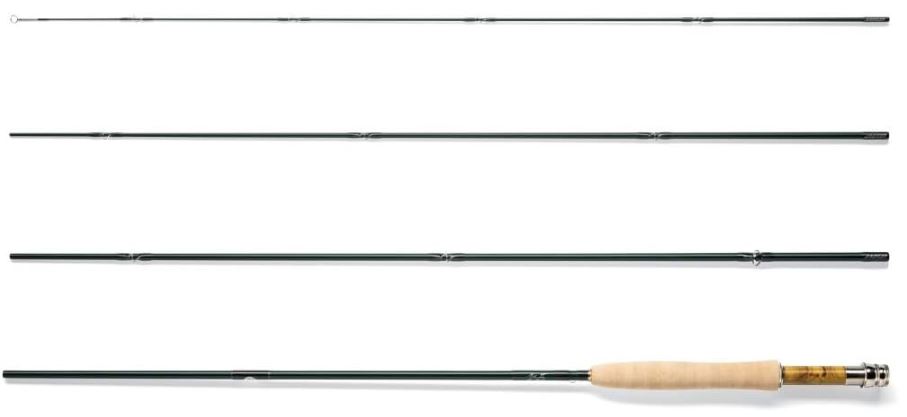
Winston AIR
Rod weights for specific situations:
- 2–3 weight: Small streams, tiny flies, brook trout and small rainbows — I’ve fished brook trout water in Colorado where a 5-weight feels like overkill
- 4–5 weight: Standard all-around trout weight — covers most situations
- 6–7 weight: Streamers, large rivers, single-hand steelhead
- 8–10 weight (spey): Steelhead and large river swinging — different rod entirely
Fly Reels
Real talk: for most trout fishing, the reel is a line storage device. Trout rarely run far enough to get into your backing. That said, a smooth drag matters when you hook a big fish in fast water, and a decent reel is a one-time purchase that lasts forever.
Best budget reel:
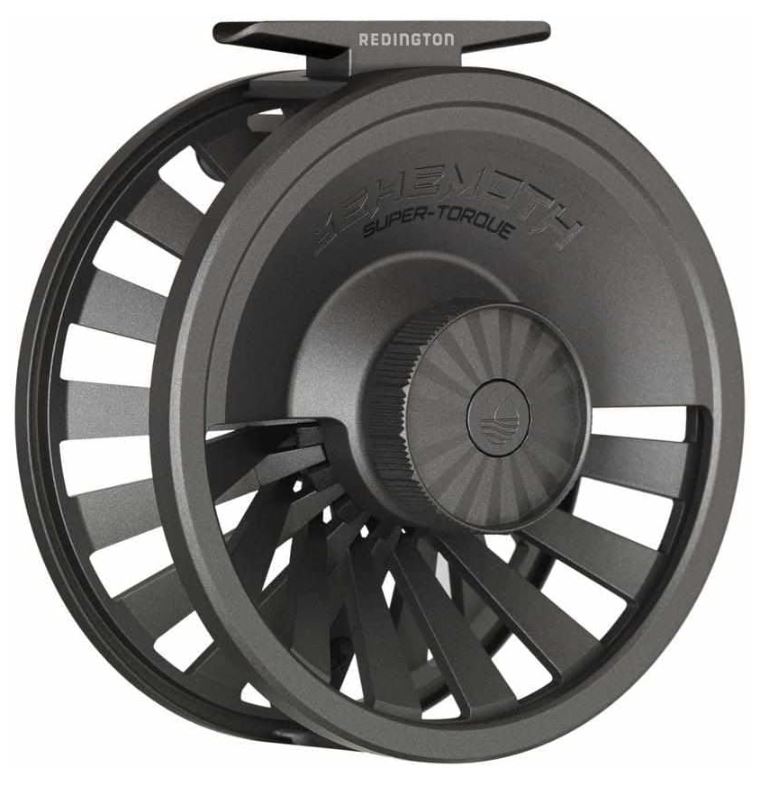
Redington Behemoth Fly Reel
Best mid-range reel:
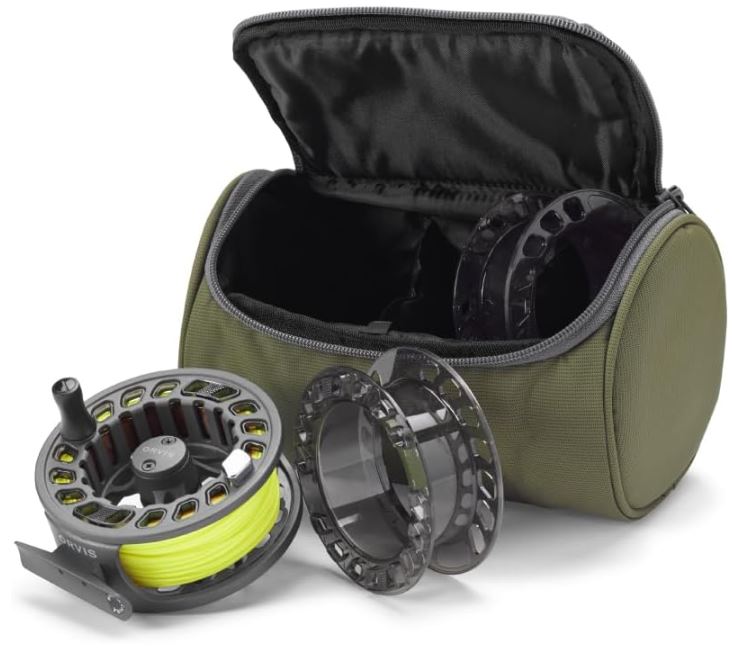
Orvis Clearwater Large Arbor Reel
Fly Line and Leader
A piece of advice that took me longer than it should have to learn: quality fly line matters more than a quality rod. A great rod with cheap line casts poorly. A mid-range rod with great line casts well. If you’re budget-constrained, save money on the rod, not the line.
Weight-forward floating line in the matching rod weight covers 90% of trout fishing situations. Match to your rod weight exactly — a 5-weight rod needs 5-weight line.
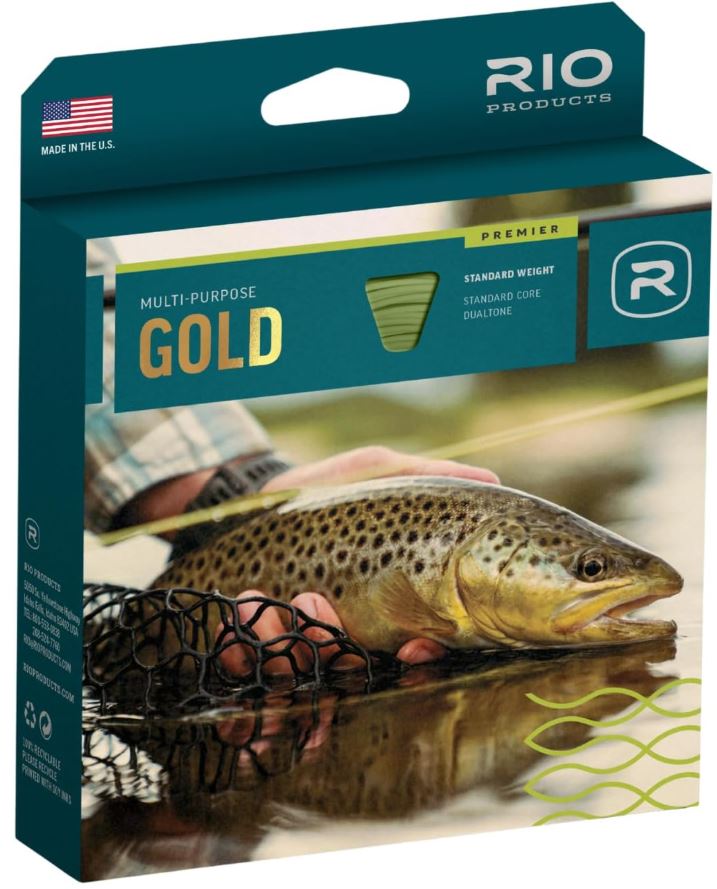
Rio InTouch Gold WF5F Fly Line
Tippet material: 5X (about 4.75 lb) for most dry fly and nymph situations. Go to 4X for larger nymphs and streamers; 6X or 7X for tiny dry flies in clear, calm water.
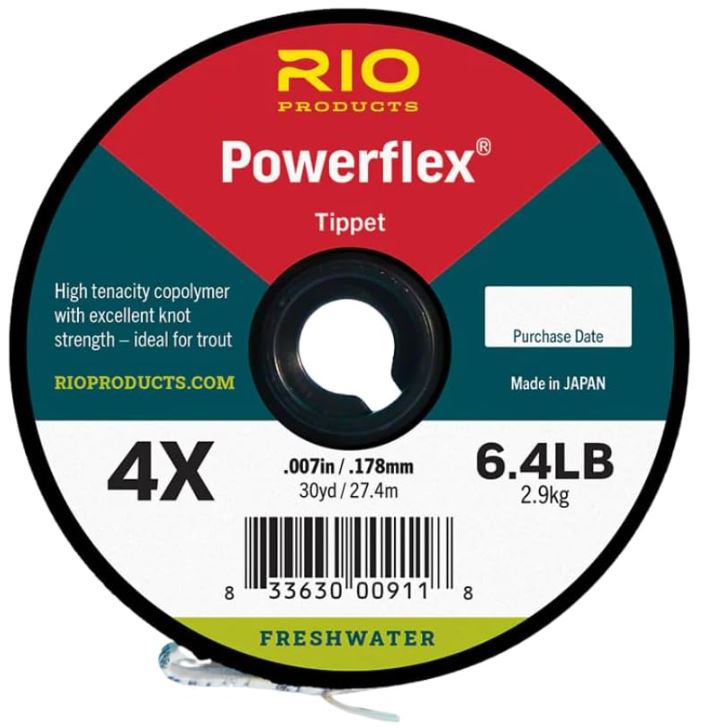
Rio Powerflex Tippet 4X
Essential Flies
You don’t need hundreds of fly patterns. You need 10, in the right sizes, that match the hatches on the water you’re fishing. These cover the vast majority of trout fishing situations in North America:
Dry Flies:
- Elk Hair Caddis (sizes 14–18) — imitates caddisflies, works everywhere
- Parachute Adams (sizes 14–18) — the universal dry fly; imitates a variety of mayflies
- Stimulator (sizes 10–14) — large attractor dry for riffled water; great on meadow streams
- Chernobyl Ant / Hopper (sizes 8–12) — summer terrestrial for banks and meadow reaches
Nymphs:
- Pheasant Tail Nymph (sizes 14–18) — the most universally effective nymph ever tied
- Hare’s Ear Nymph (sizes 12–16) — general attractor nymph; works year-round
- Copper John (sizes 14–18) — fast-sinking, visible in the drift; excellent under an indicator
- San Juan Worm (sizes 12–16) — looks simple but is deadly on tailwaters and after rain
Streamers:
- Woolly Bugger (sizes 6–10, black and olive) — the most versatile wet fly ever created
- Muddler Minnow (sizes 6–10) — imitates small fish and sculpins; deadly on large browns
➜ Dry Fly Assortment — Buy on Amazon
➜ Nymph Assortment — Buy on Amazon
➜ Woolly Bugger Assortment — Buy on Amazon
Waders and Wading Boots
Waders are one of the places people try to go cheap and regret it. Leaky waders on a cold river ruin the day. My first time wading the North Poudre in early season I was genuinely shocked at how cold 45°F water feels — you lose dexterity in your feet within minutes. Quality breathable waders plus proper layers underneath mean you can fish a full day comfortably. Cheap waders mean quitting at lunch.
Best budget waders:
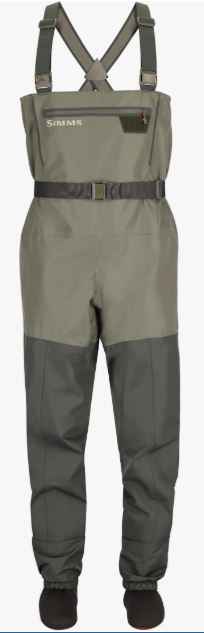
Simms Tributary Waders
Best mid-range waders:
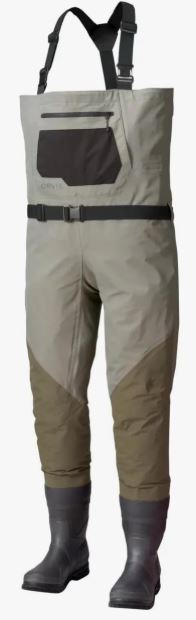
Orvis Waders
Wading boots: Felt soles are the most secure on slippery rocks but are banned on some rivers because they can transport invasive species and fish pathogens between watersheds. Rubber studded soles are the safe default — they grip well and are legal everywhere.
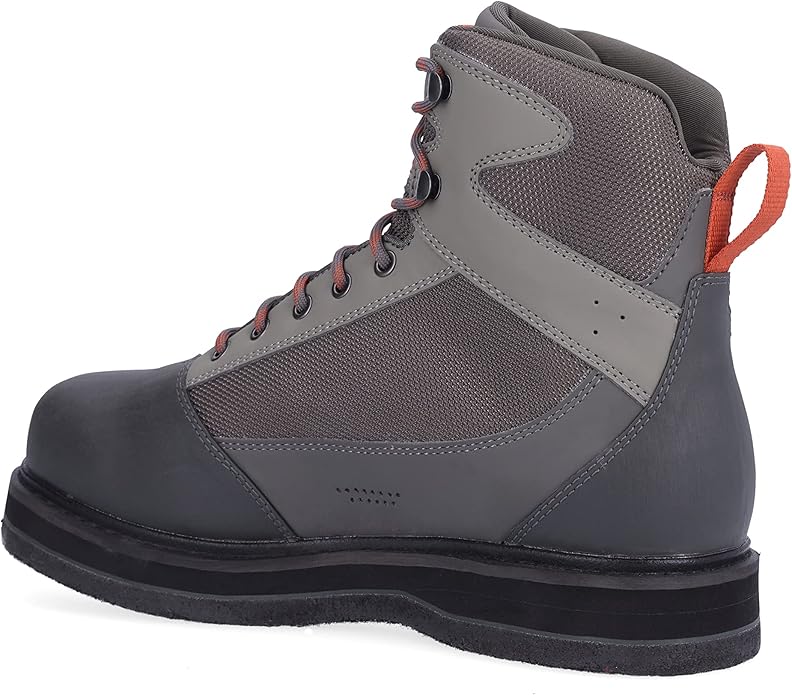
Simms Tributary Wading Boots
Spin Fishing Gear
Spinning gear is where you can save money without giving up anything important. Trout don’t care what your rod costs. A well-chosen ultralight setup under $100 will catch the same fish as a $400 high-end rig.
Spinning Rods and Reels
A 6–7 foot light spinning rod rated for 2–6 lb line with a 1000–2500 size reel covers virtually all trout spin fishing. Ultralight gear maximizes the fight from small-to-medium trout and improves casting distance and accuracy with light lures.
Best ultralight spinning combo:
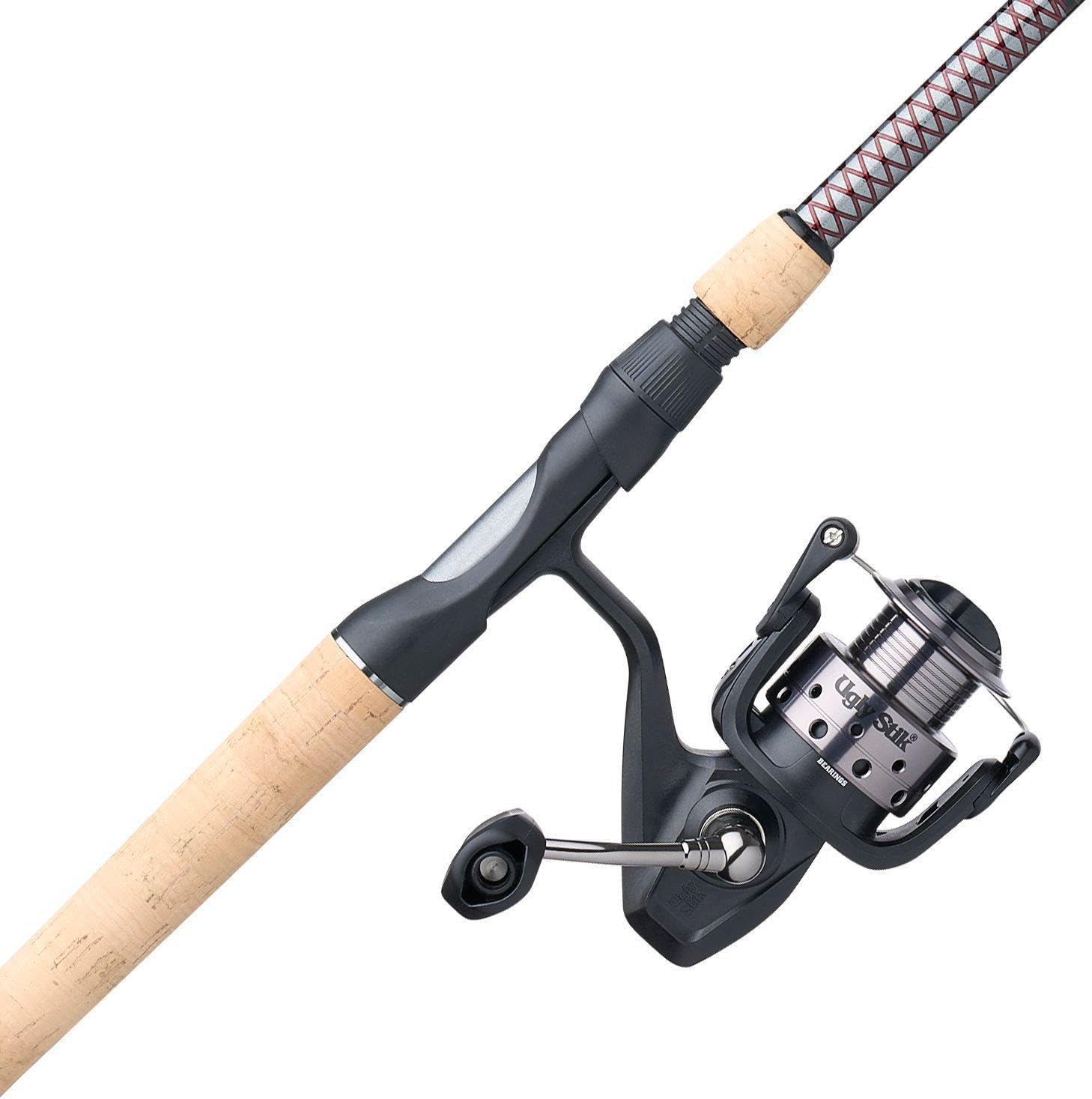
Ugly Stik Elite 6ft Ultralight
Reliable spinning reel:
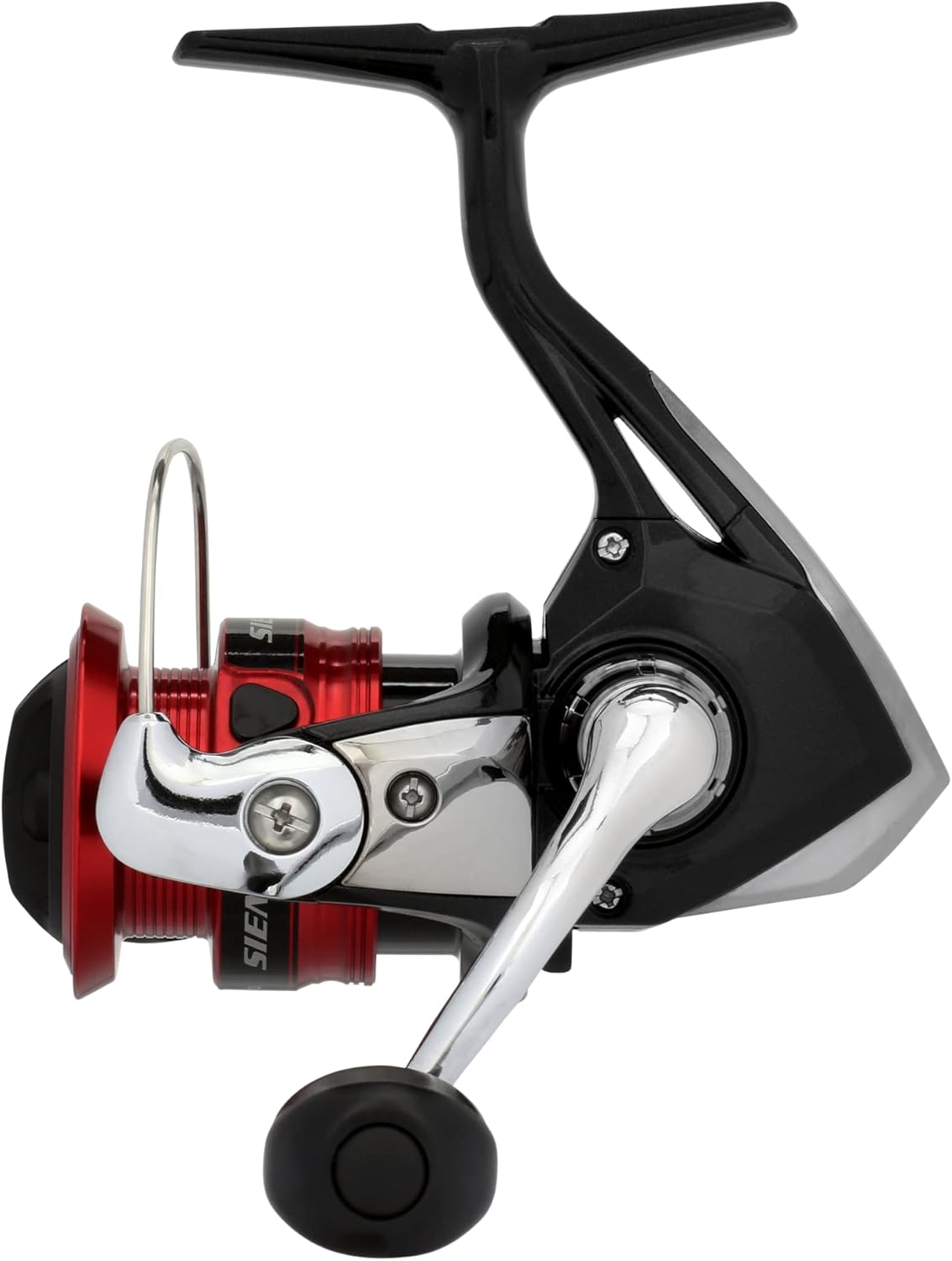
Shimano Sienna 1000 Spinning Reel
Fishing Line for Trout
4–6 lb monofilament is the standard. Clear or low-visibility line in trout-friendly colors (green, clear) outperforms high-vis options in the clear water trout usually live in.
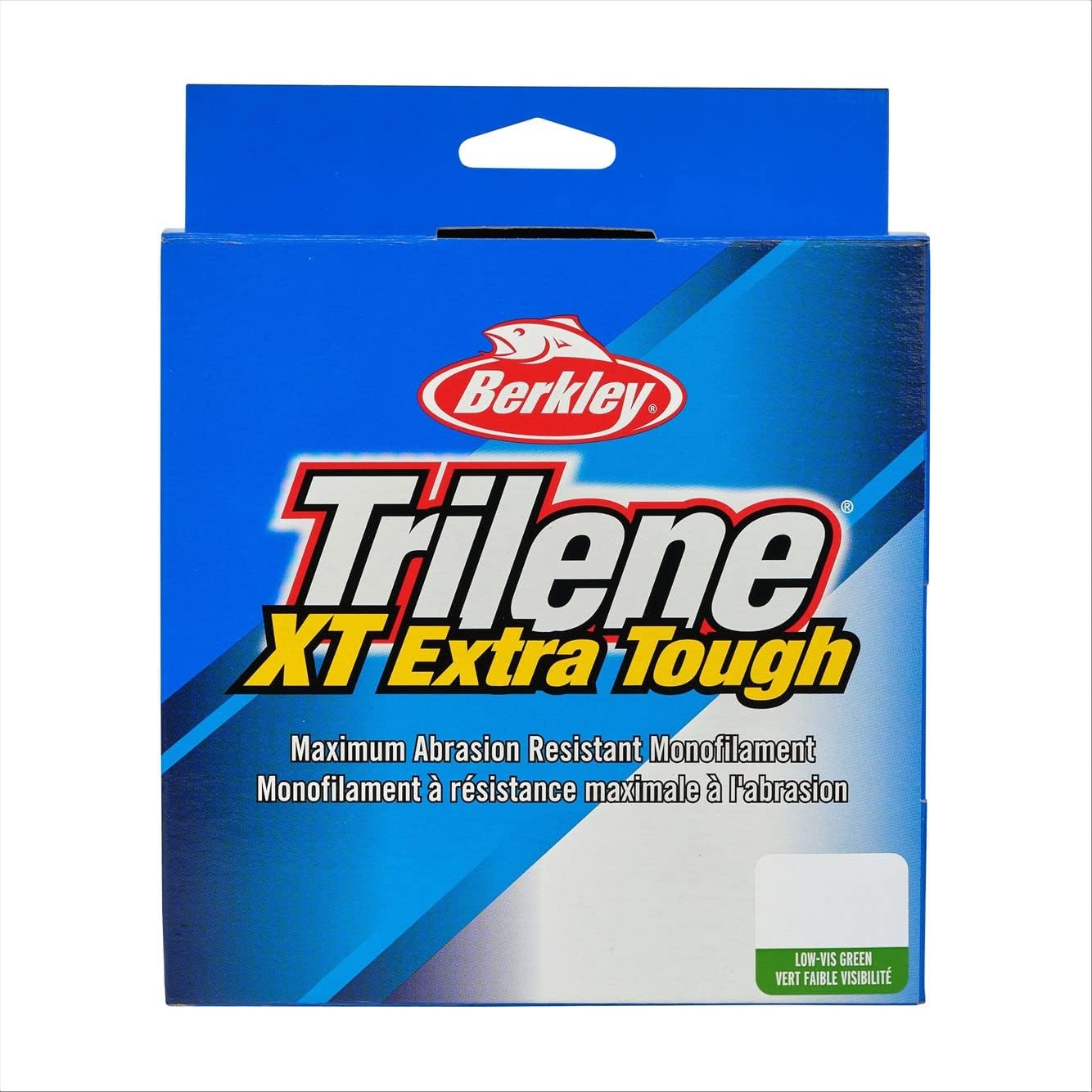
Berkley Trilene XL 4lb Monofilament
Best Trout Lures for Spin Fishing
Spinners — the most versatile trout lure:
Panther Martin spinners in sizes 1/16 to 1/4 oz are consistently among the top trout producers in moving water. The blade creates flash and vibration that triggers strikes even from fish that aren’t actively feeding. My go-to for any new stream.
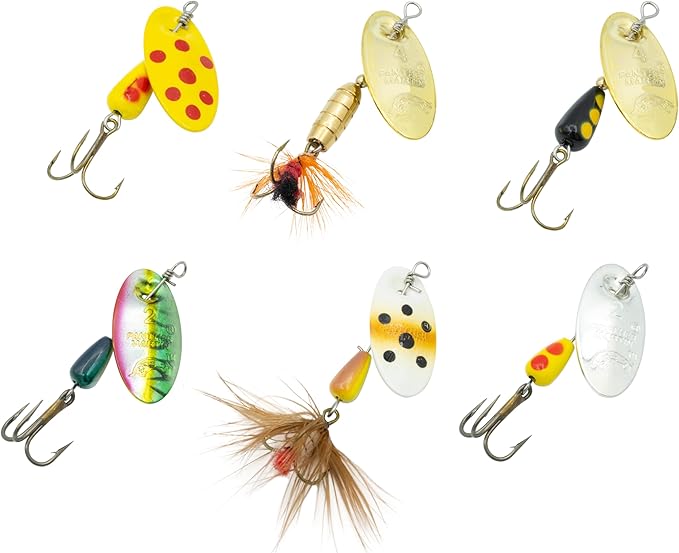
Panther Martin Spinner Assortment
Mepps Aglia in sizes 0–2 are equally effective — the #1 trout lure worldwide by many measures. Gold blade with brown squirrel tail is the classic color and hasn’t been beaten in 80 years.
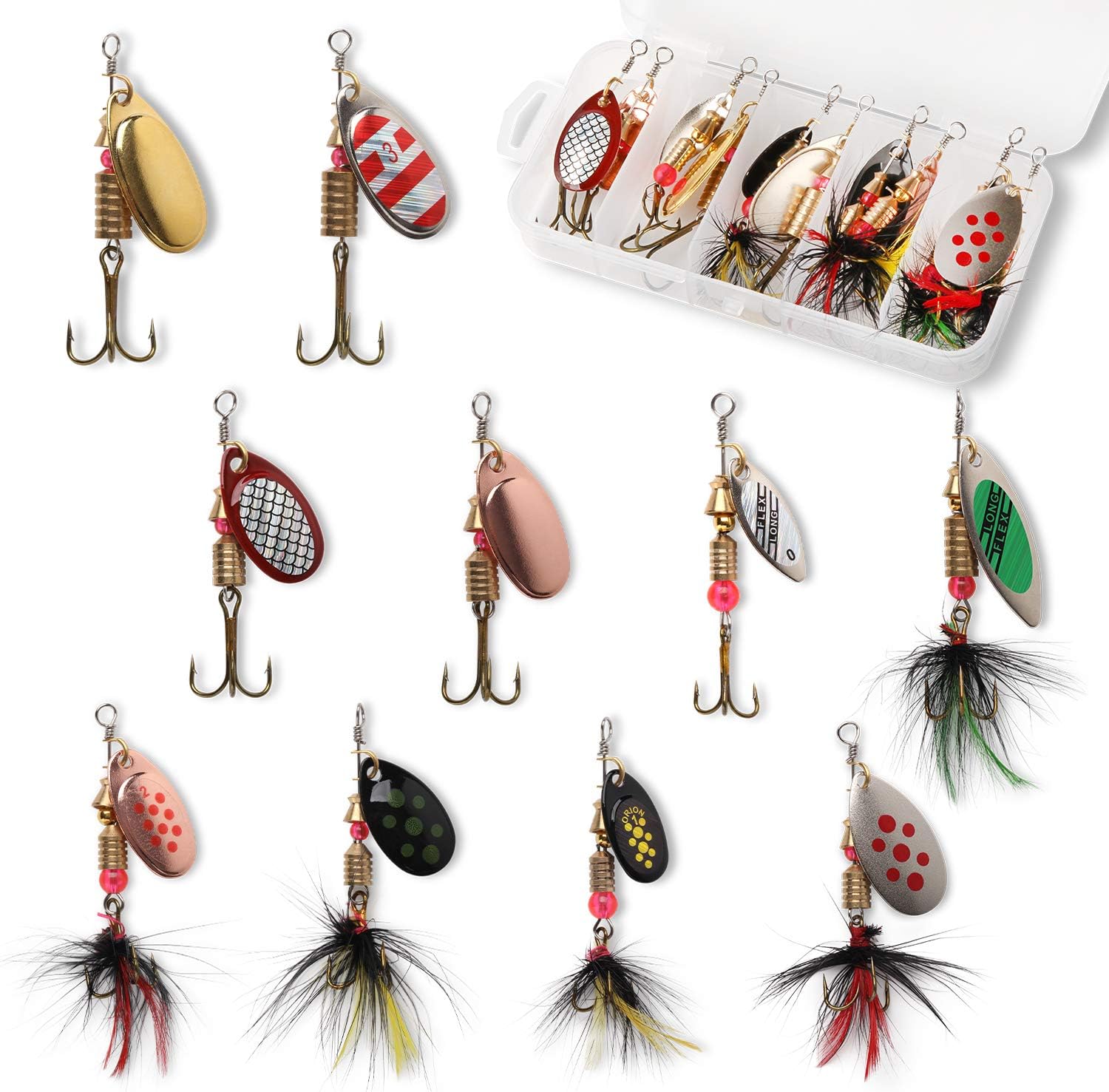
Mepps Aglia Spinner Size 1
Floating minnow plugs:
The Rapala Original Floating Minnow in sizes F05-07 has been catching trout since 1936. The tight wobble at slow retrieve imitates an injured baitfish perfectly.
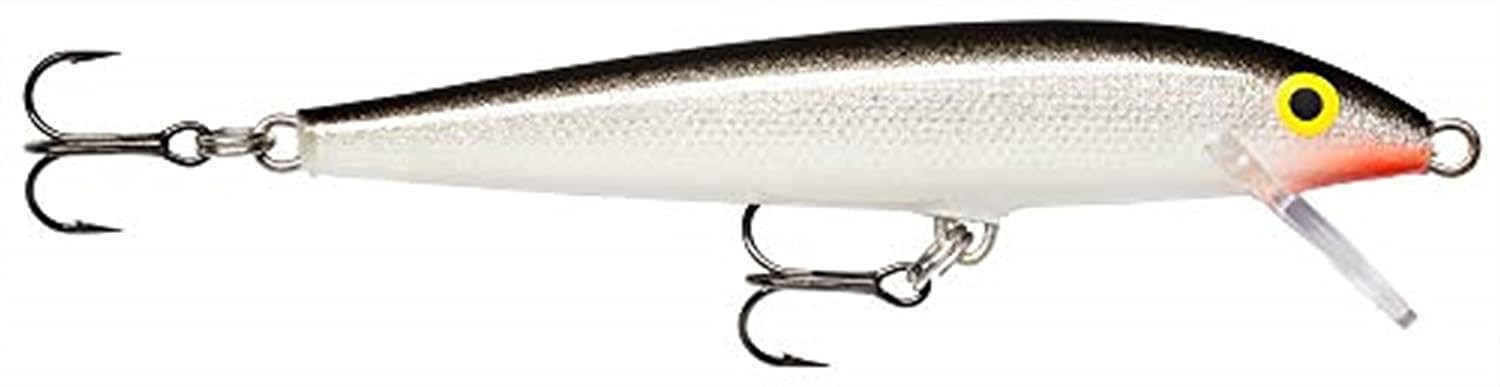
Rapala Original Floating Minnow F05
Small spoons:
Kastmaster spoons in 1/8 to 1/4 oz cast a mile and produce well in both rivers and lakes. Great choice when fish are holding deeper or when you need to reach fish across open water.
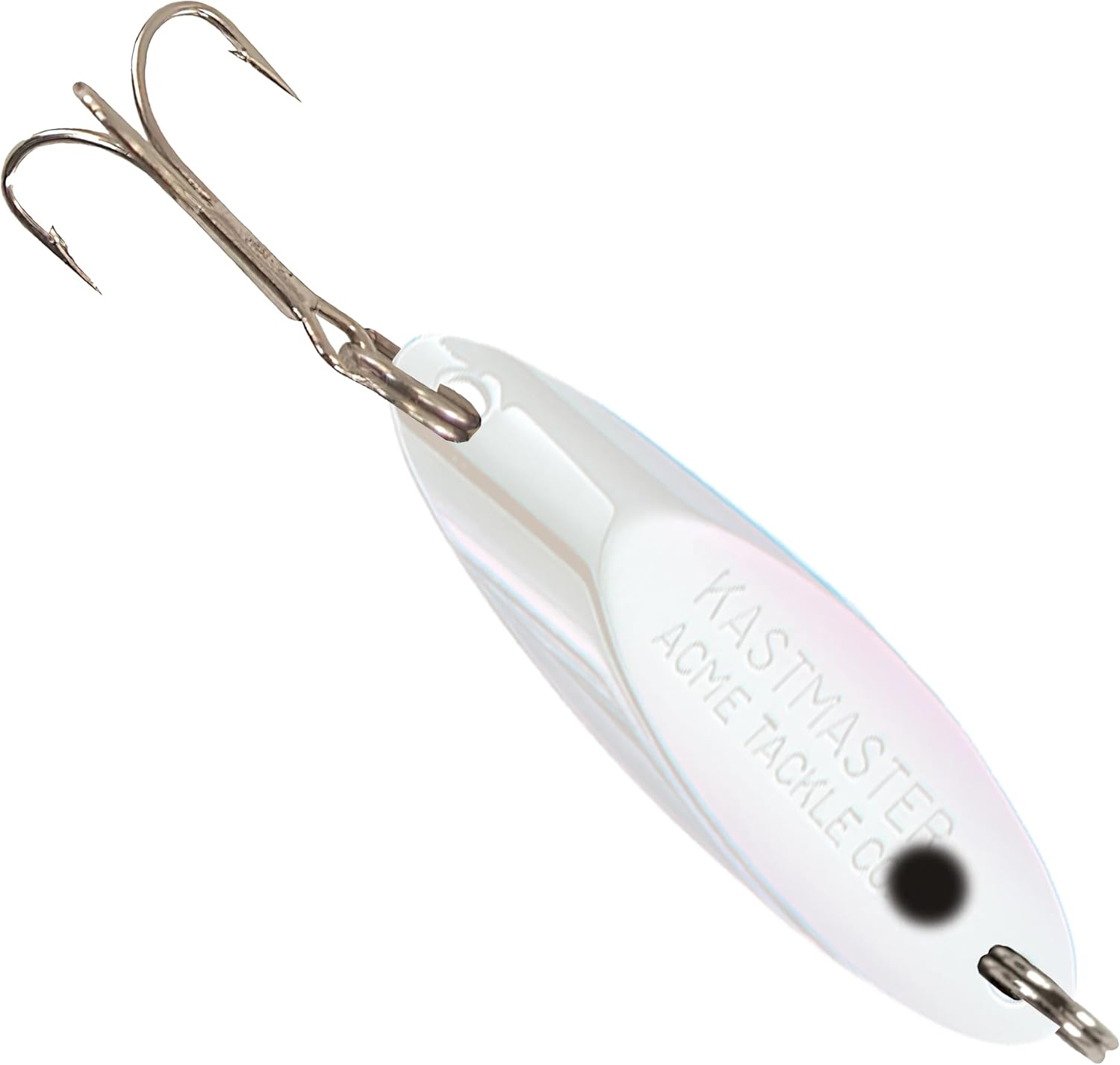
Kastmaster Spoon 1/8oz
Bait Fishing Gear
PowerBait and Stocked Trout Setup
PowerBait is the most effective bait for hatchery-raised trout — designed specifically to match what fish are fed in the hatchery. The dough floats off the bottom on the hook, exactly where stockers expect food.
Quick honest note: PowerBait works, but it’s the most boring way to fish. You cast, set the rod in a holder, and wait. On a cold morning at Big Bear or Dixon, it can be a test of patience. The payoff is that it catches stockers consistently and it’s the best technique for fishing with kids who need action to stay engaged. My daughter Scarlett’s first trout came on a size-14 hook with a chartreuse PowerBait glob at Dixon.
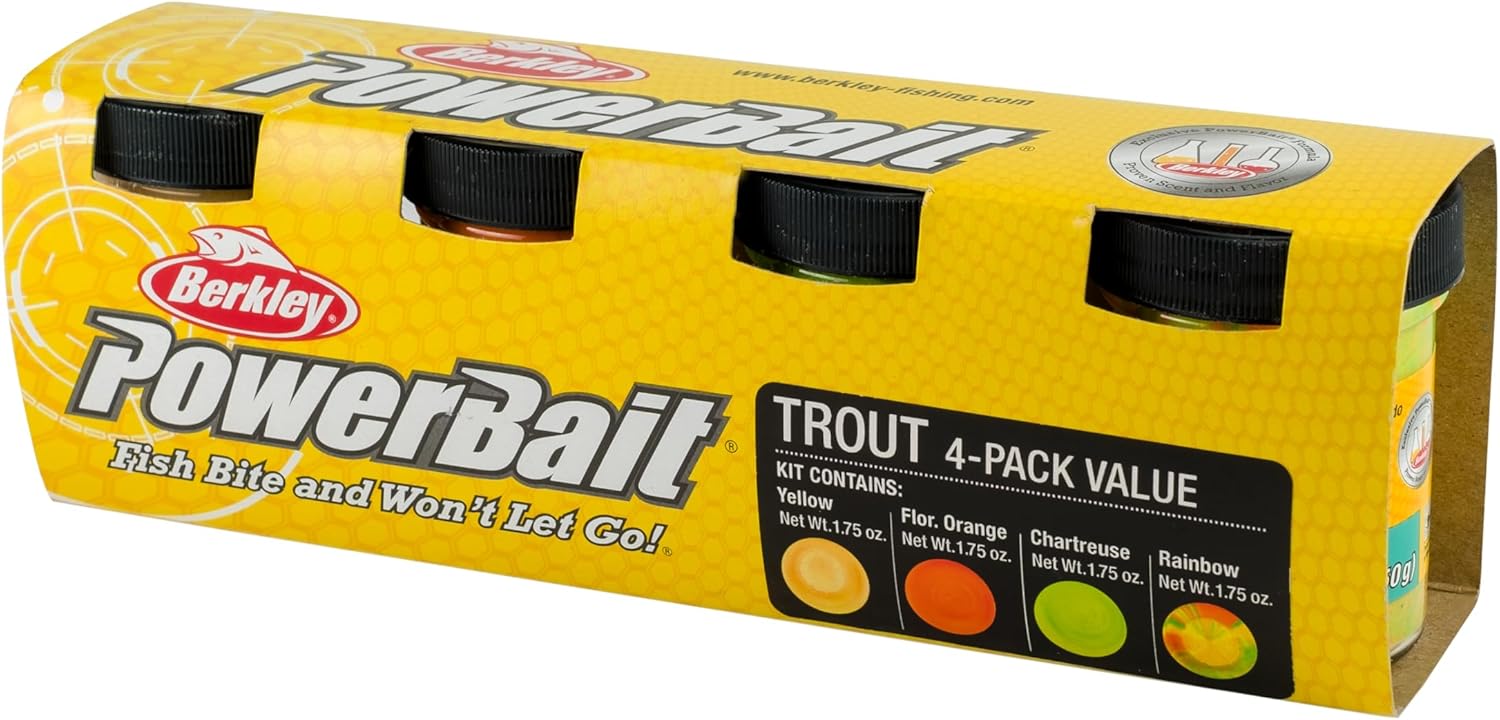
Berkley PowerBait Chartreuse Glitter
Slide a small foam ball or PowerBait directly on the hook, add a split shot 12–18 inches up the line, and cast to deep, still areas near structure. See our full PowerBait guide.
Hooks for bait fishing: Size 10–14 bait hooks or egg hooks.
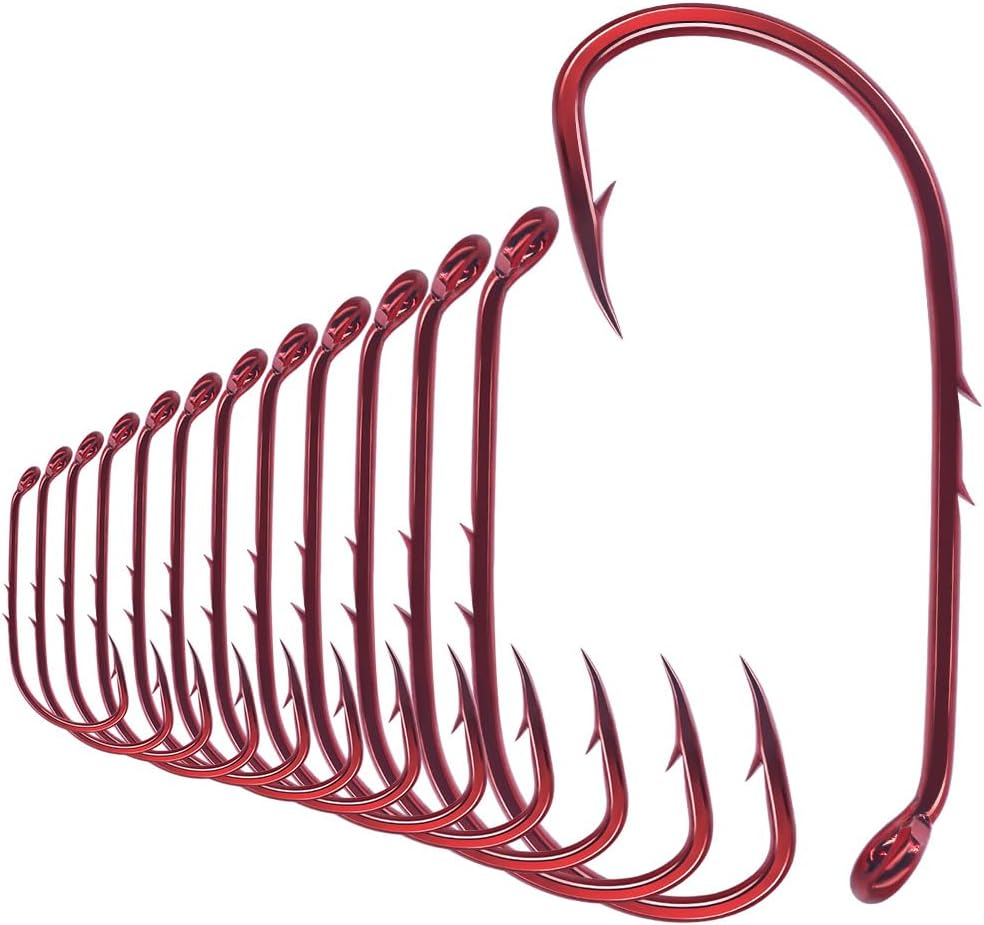
Gamakatsu Baitholder Hooks
Accessories and Tools
Fishing net: A rubber mesh net protects fish during catch-and-release. Essential for fly fishing; useful even for bait fishing if you’re releasing your catch.
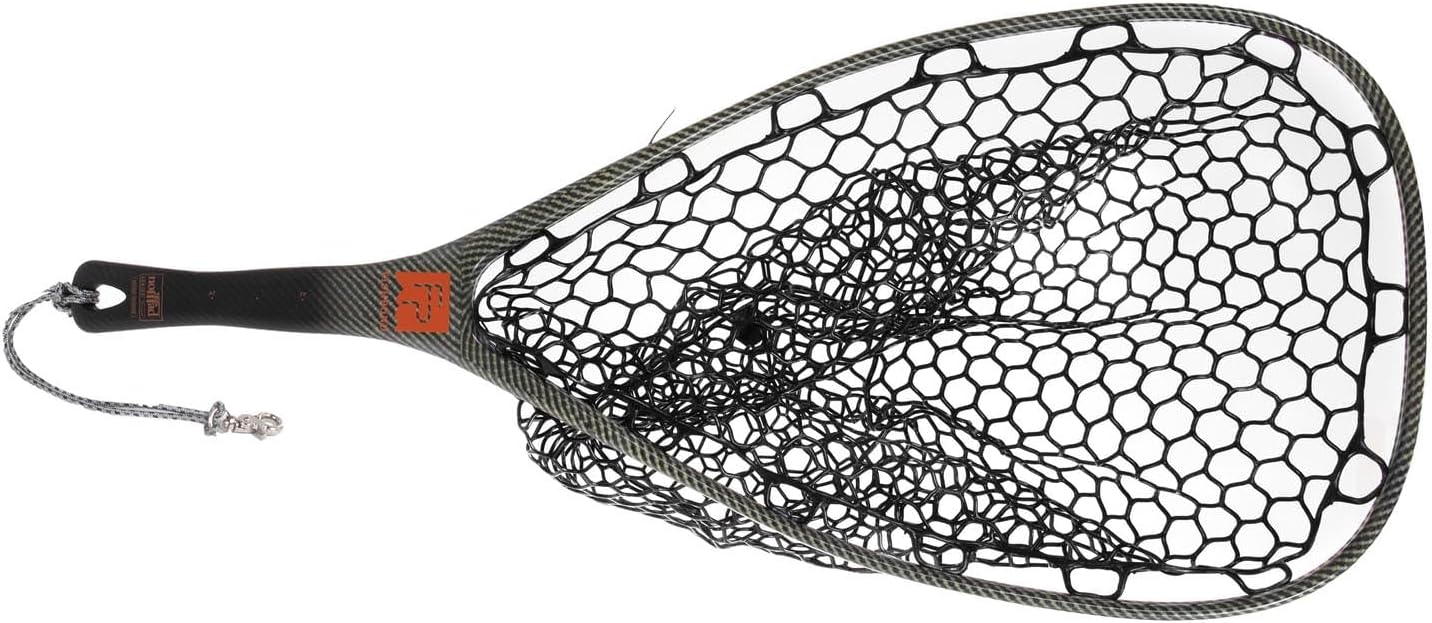
Fishpond Nomad Hand Net
Forceps/hemostats: For removing hooks quickly and safely, especially small flies from small fish. Protect your fingers and protect the fish.
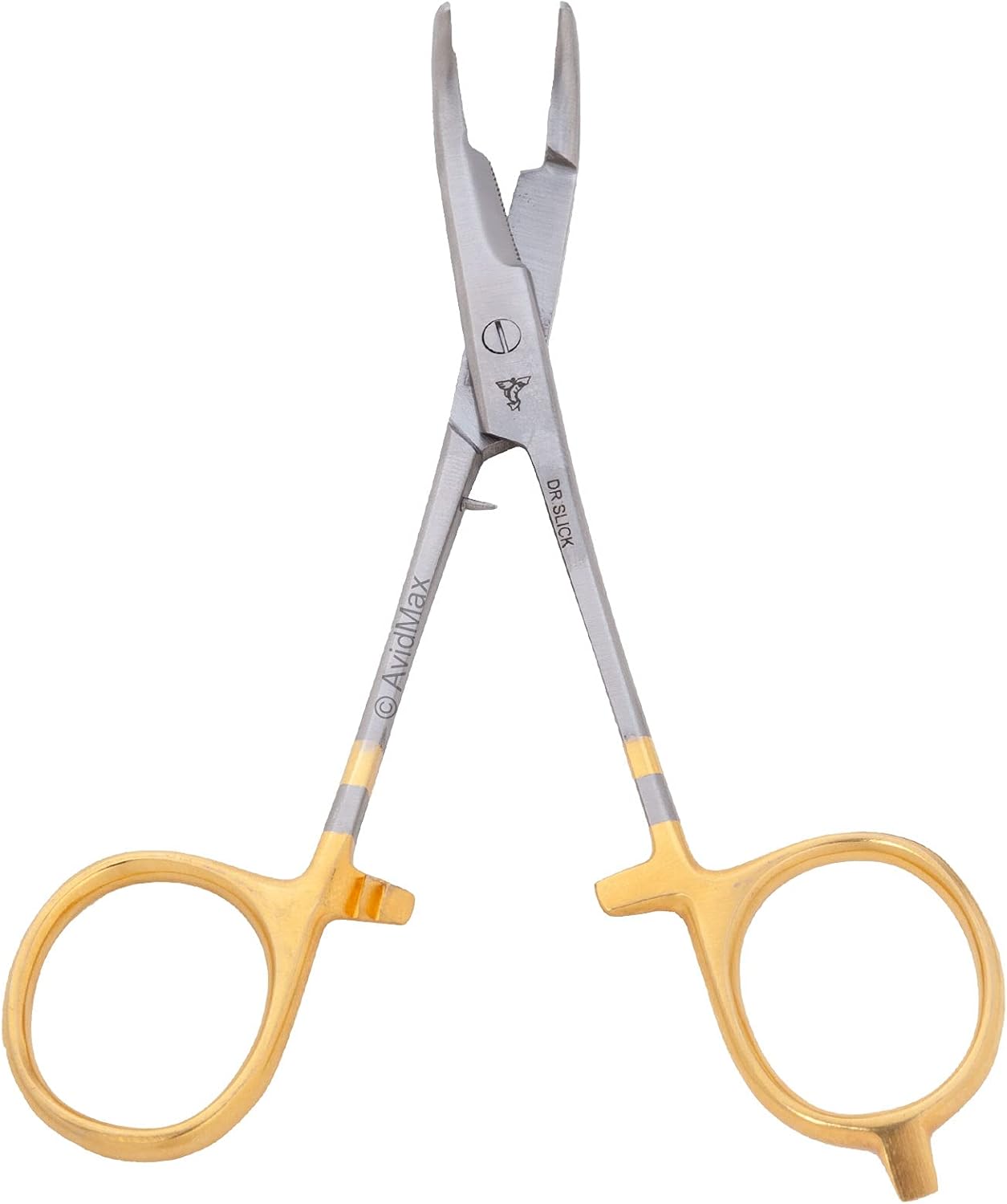
Dr. Slick Curved Forceps
Polarized sunglasses: The single best non-rod investment a trout angler can make. Polarized lenses let you see through the surface glare to spot fish, read bottom structure, and watch your fly drift. Going back to non-polarized sunglasses feels like fishing blind.
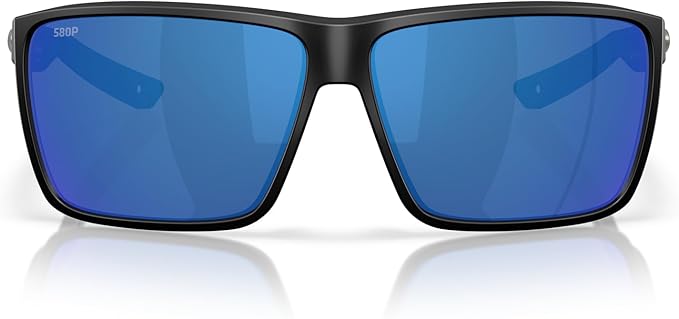
Costa Polarized Fishing Sunglasses
Fishing vest or pack: Keeps flies, tippet, and tools accessible while wading.
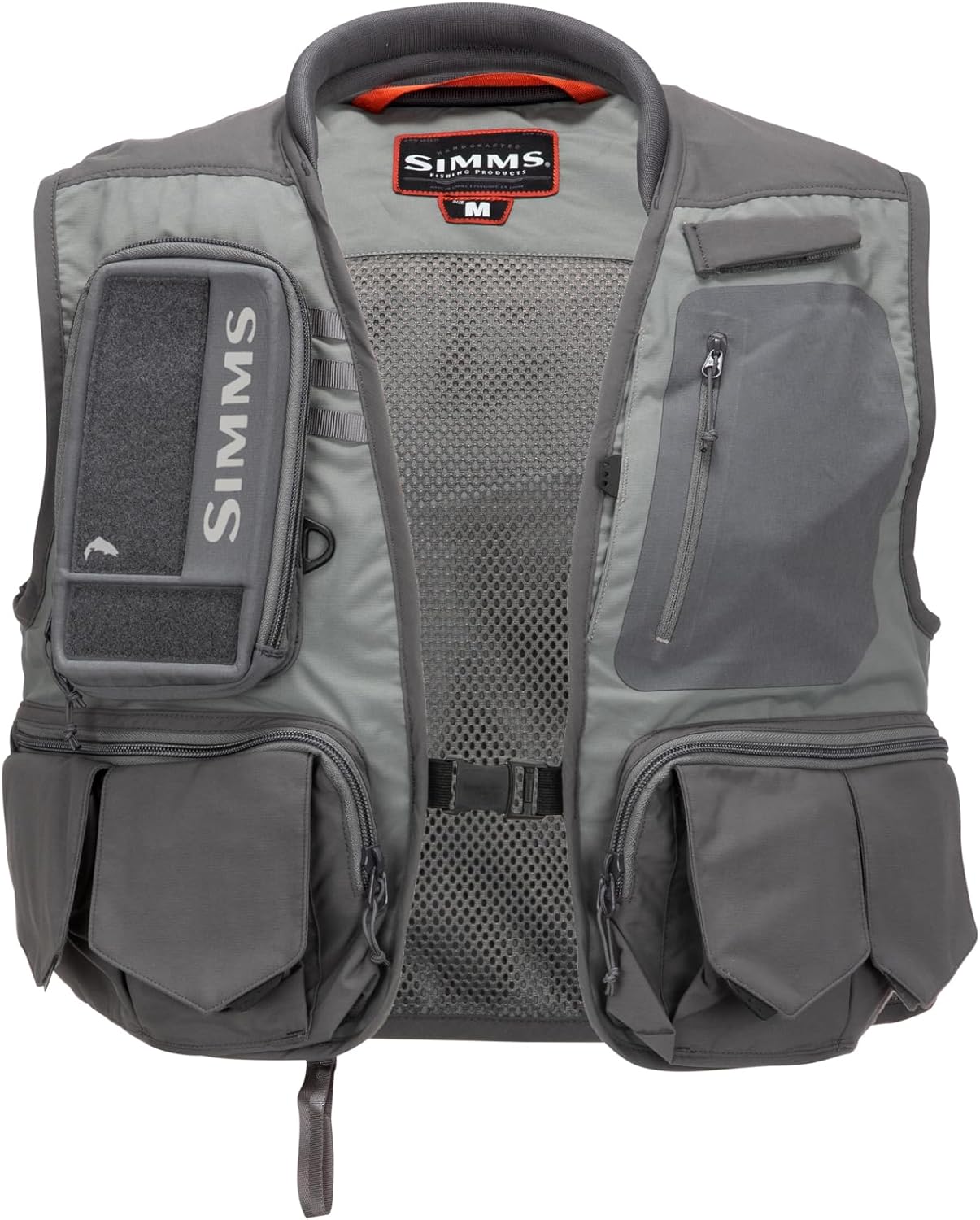
Simms Freestone Vest Pack
Nippers: For cutting tippet and trimming fly hackle. A fisherman’s best friend.
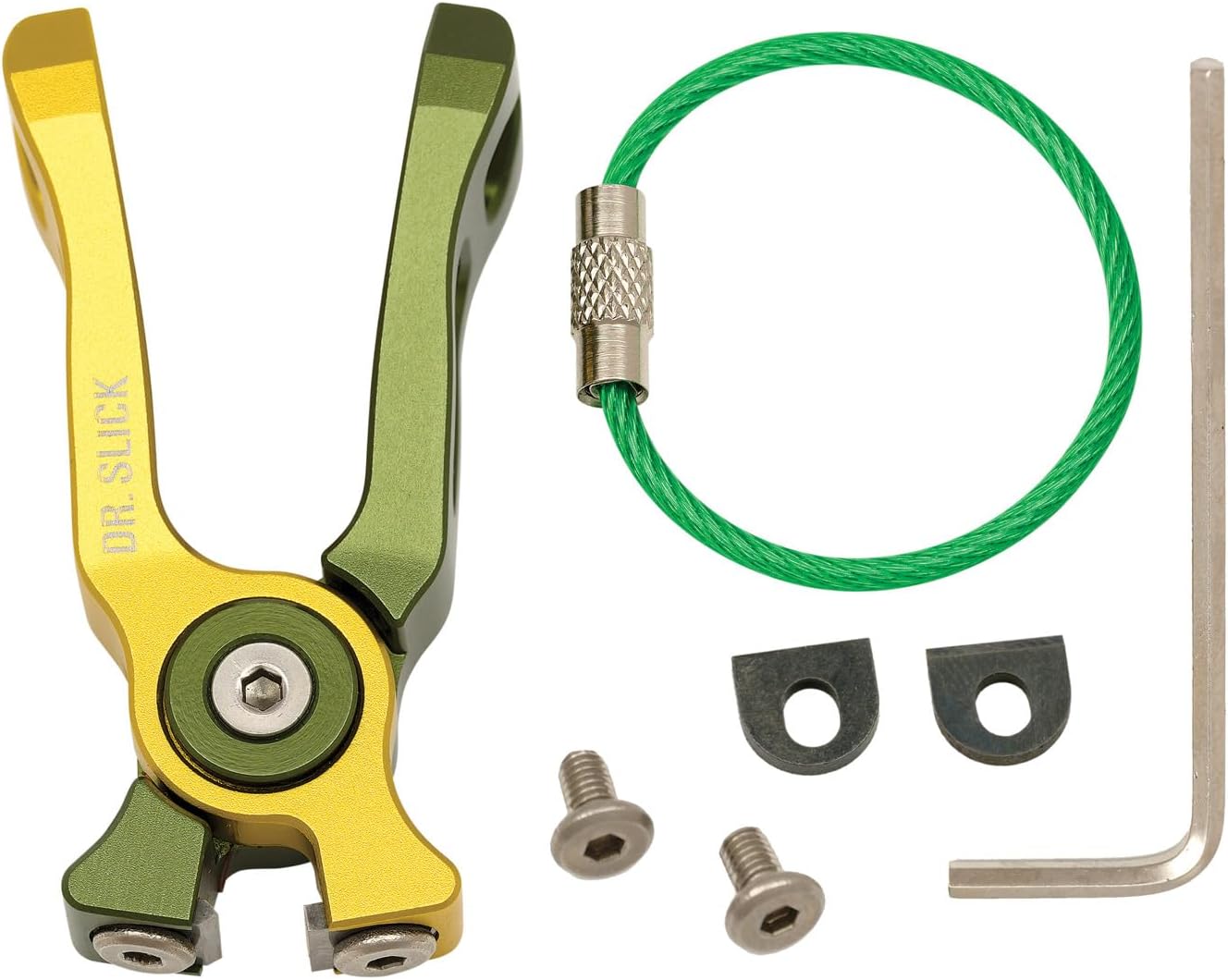
Dr. Slick Nippers
Strike indicators: For nymph fishing under a “bobber” — Thingamabobbers and yarn indicators are most common.
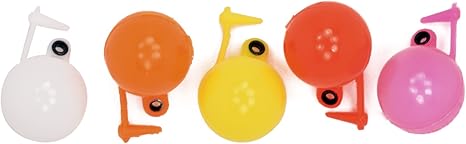
Thingamabobber Strike Indicators
Split shot: Adds weight to nymph rigs to get them down to depth.
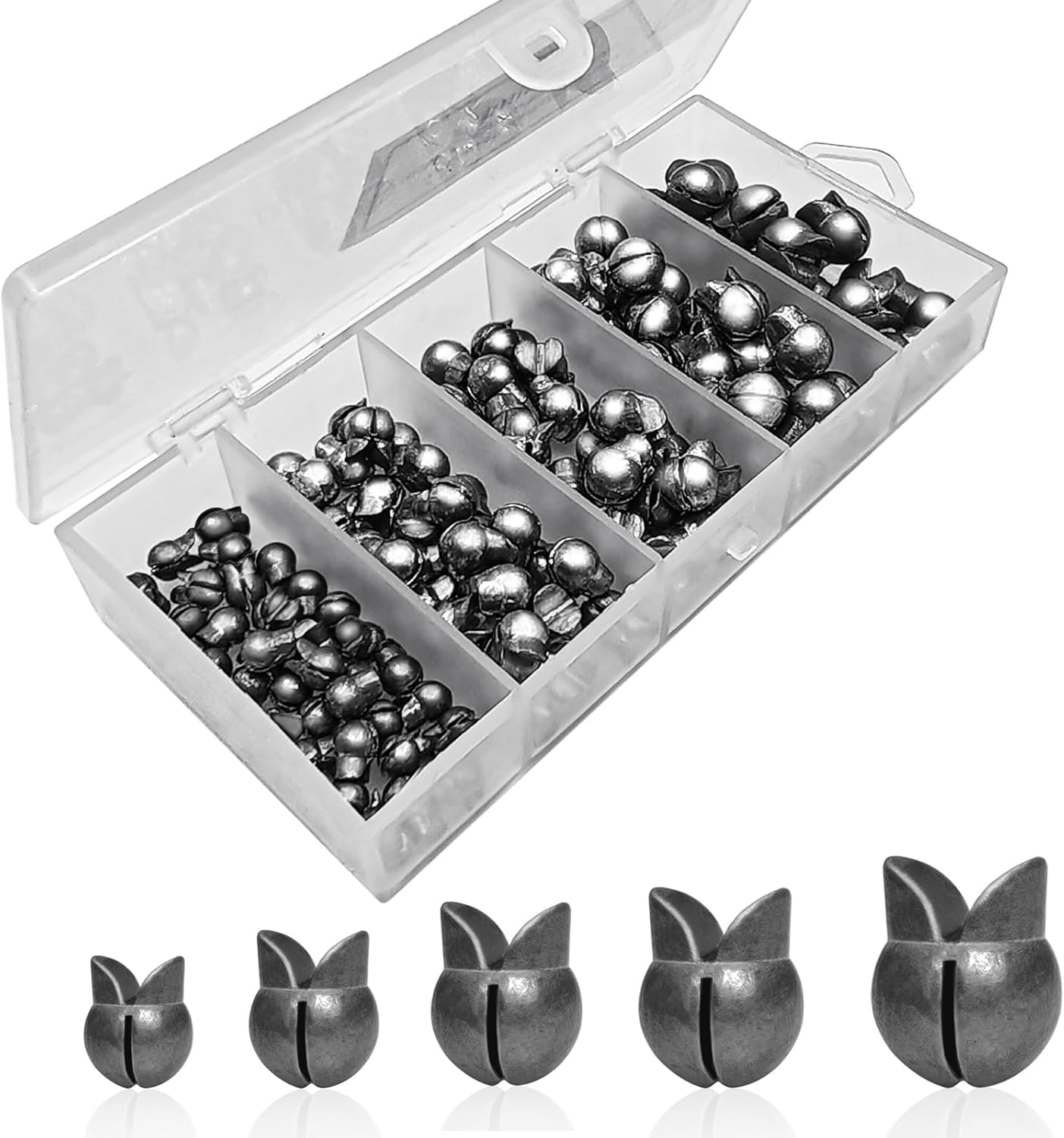
Removable Split Shot Assortment
Gear by Budget
Getting started under $150 (spin fishing):
- Ugly Stik Elite ultralight combo (~$50) — rod and reel together
- Berkley Trilene 4 lb line (~$8)
- Panther Martin assortment + Rapala F05 (~$20)
- PowerBait assortment (~$15)
- Hook assortment (~$8)
- Polarized sunglasses (~$20)
This setup catches stocked trout at every SoCal lake and handles small-stream fishing anywhere. It’s the right place to start.
Getting started fly fishing under $300:
- Redington Crosswater outfit (rod + reel + line) (~$120)
- Rio Powerflex tippet 5X (~$10)
- Fly assortment (~$25)
- Simms Tributary waders (~$130)
A fly fishing outfit at this price is basic but functional. You’ll outgrow the rod before you outgrow the skills, but it’ll get you fishing. Once you’re hooked (pun intended), saving for a Clearwater is the next logical step.
Frequently Asked Questions
What is the best rod for trout fishing?
For spin fishing: a 6-foot ultralight spinning rod. For fly fishing: a 9-foot, 5-weight. Both are versatile enough to handle most trout fishing situations, from small streams to medium-sized rivers to stocked lakes.
What size hooks for trout?
Size 10–14 for bait fishing. Size 12–18 for fly fishing nymphs and dry flies. Smaller hooks for smaller fish and clearer water.
Do you need expensive gear to catch trout?
No. Trout don’t care what your rod costs. An Ugly Stik and a jar of PowerBait will catch just as many stocked trout as a thousand-dollar fly rod. Where expensive gear matters is in the experience — a good fly rod loads and casts predictably in a way a cheap one doesn’t, and quality waders mean you can fish all day. But for pure fish-counting, the gear is not the limiting factor. The angler is.
What should I buy first?
A quality spinning combo (~$50), some line, and a handful of Panther Martins. That setup will catch fish anywhere trout live. Add waders and fly gear later when you know you’re in for the long haul.
Related Guides
- Fly Fishing for Trout Guide
- Spin Fishing for Trout Guide
- PowerBait and Stocked Trout
- Complete Trout Fishing Guide
- Trout Fishing for Beginners
About the Author
By Kenny — SoCal angler who learned trout fishing during college years in Fort Collins, Colorado (Poudre, Horsetooth, Estes Park) and now fishes the Sierras and SoCal lakes with my daughter Scarlett. No steelhead or salmon yet, and no ice fishing — those are on the list.