Cutthroat are the native trout of the American West. They’re in every major Rocky Mountain drainage from the Canadian border down to northern New Mexico, and in coastal streams from Northern California to Alaska. The distinctive red or orange slash marks under the jaw — the “cutthroat” — are the quick visual ID on every subspecies.
Quick honest note: I haven’t fished cutthroat in their native waters. Yellowstone, the wilderness rivers of Idaho and Montana, and Pyramid Lake in Nevada are all on my list. What I can tell you is based on research, conversations with anglers who’ve fished these places, and what I know about trout fishing in general — not from first-hand cutthroat time. That said, cutthroat in wilderness waters are famously willing to eat dry flies, and most cutthroat-focused trips produce more fish than they do challenge.
Cutthroat Subspecies
The cutthroat is not one fish — it’s a complex of related subspecies, each isolated in a specific drainage during the last ice age. At least 14 recognized subspecies exist, though many are threatened or endangered.
- Yellowstone cutthroat — the most abundant; Greater Yellowstone ecosystem
- Westslope cutthroat — native to Montana and Idaho drainages
- Coastal cutthroat — Pacific coastal streams from California to Alaska; includes sea-run populations
- Lahontan cutthroat — Nevada and California; trophy fish of Pyramid Lake
- Greenback cutthroat — Colorado’s state fish; federally threatened, limited range
- Rio Grande cutthroat — New Mexico and southern Colorado headwaters
- Bonneville cutthroat — Utah and portions of the Great Basin
- Snake River fine-spotted cutthroat — Wyoming’s upper Snake River drainage
Several subspecies are federally threatened and must be released. Know what you’re catching before you decide to harvest anything.
Cutthroat Behavior
Cutthroat have a reputation for being less wary than brown trout. In wilderness settings with low angling pressure, they’ll rise to dry flies readily and take nymphs aggressively. In Yellowstone especially, where many fish have minimal exposure to anglers, they can be remarkably willing eaters.
That reputation has limits. Heavily pressured cutthroat on easy-access water become more selective — a Yellowstone cutthroat on Slough Creek in August, after hundreds of anglers have drifted flies past it all summer, can be just as challenging as any brown. Pyramid Lake Lahontan cutthroat, pressured by a specialized fishery, are demanding in their own way.
Best Techniques for Cutthroat
Dry Fly Fishing
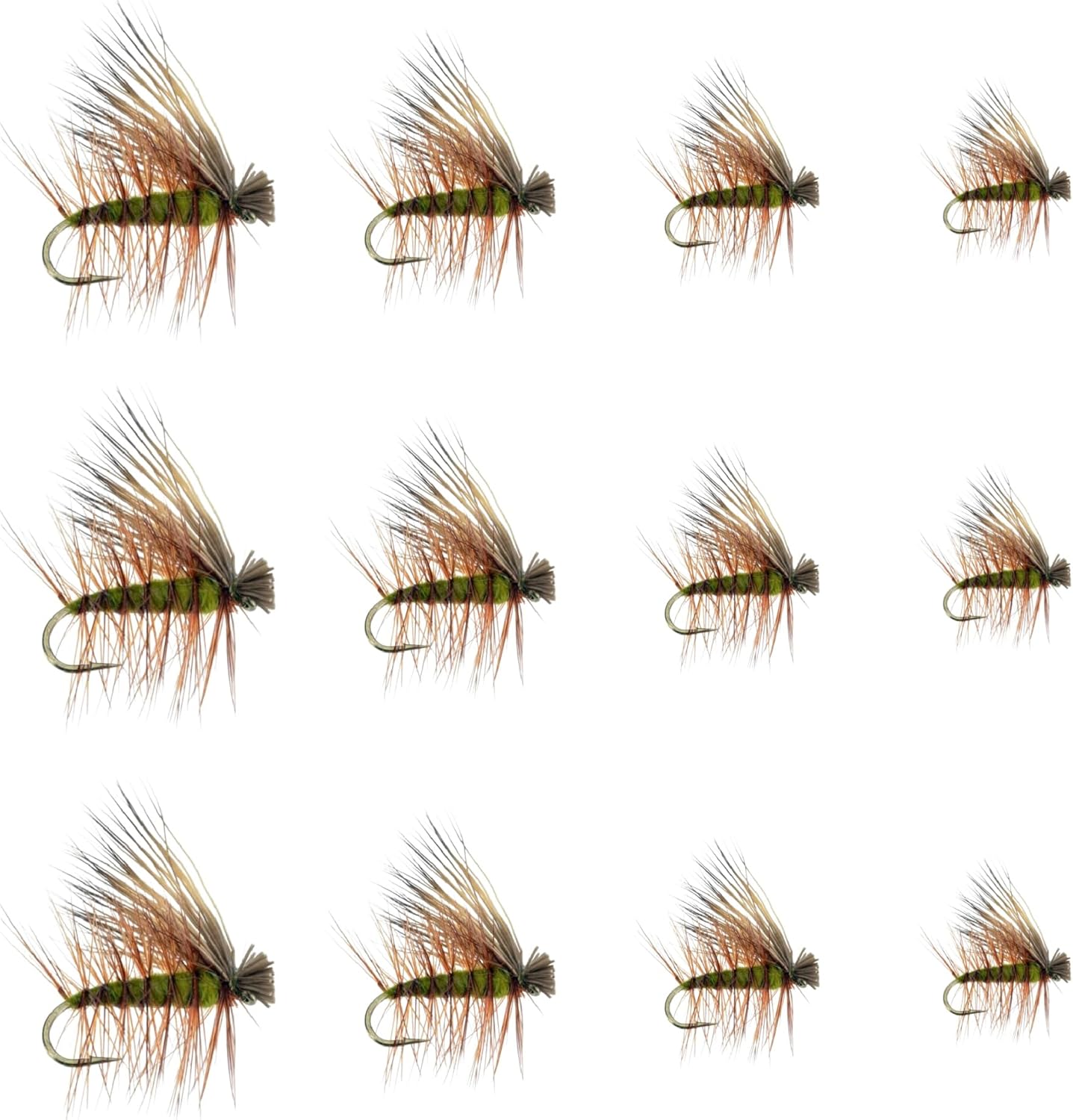
Cutthroat are exceptional dry fly targets. Elk Hair Caddis, Parachute Adams, and Stimulators all produce consistently. Hopper patterns fished tight to grassy banks produce explosive strikes in the summer and early fall. The classic western cutthroat experience is a July afternoon on a meadow stream with a size-12 hopper and a fish under every bank.
➜ Parachute Adams Assortment Sizes 14–18 — Buy on Amazon
Nymphing
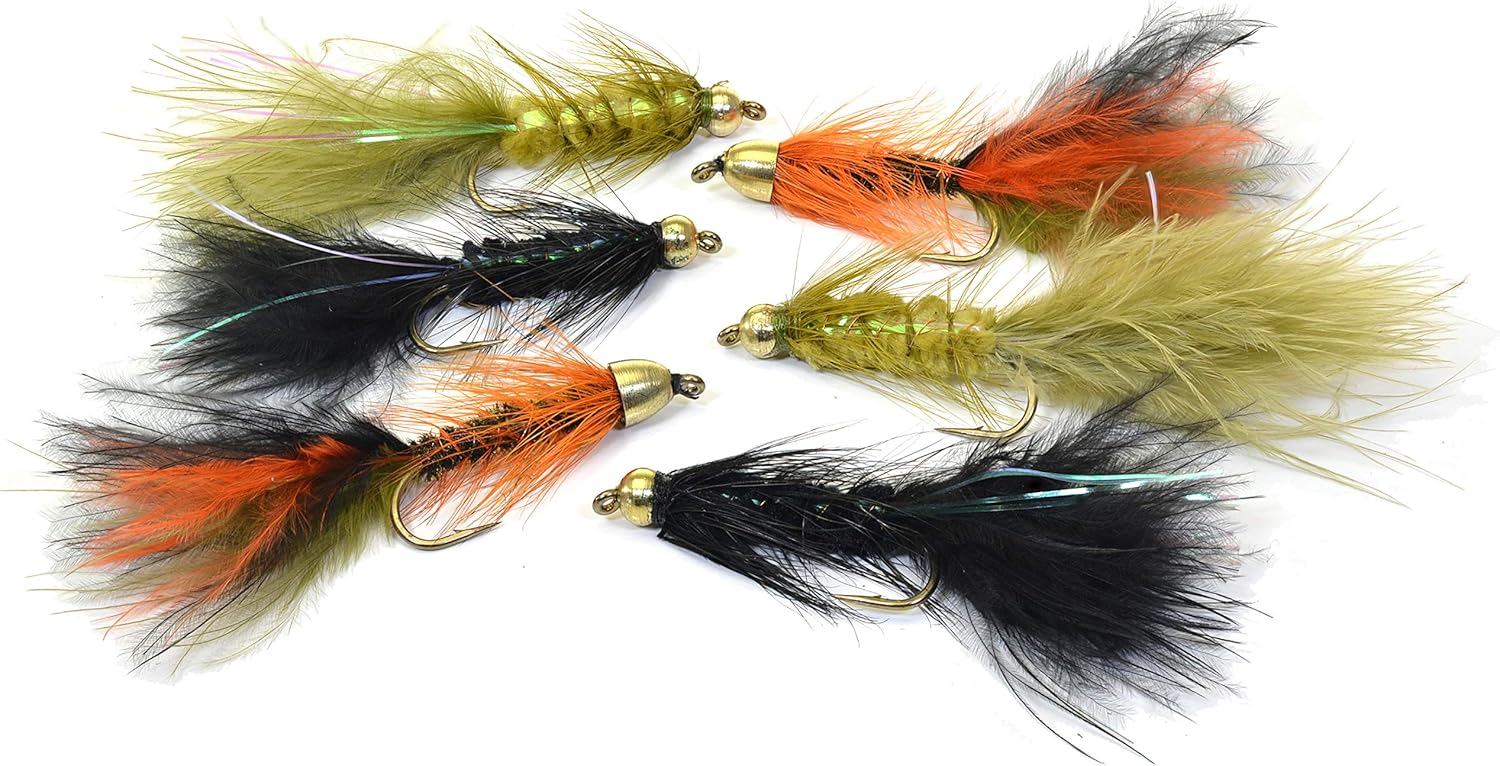
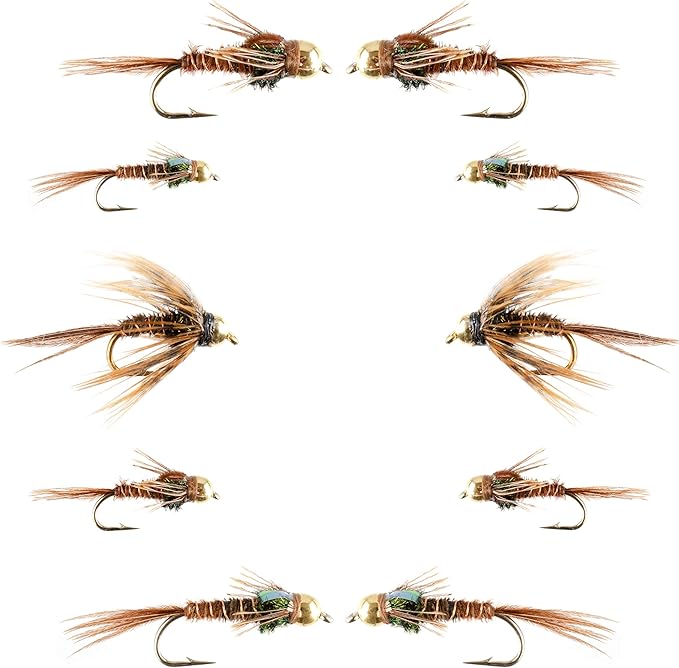
Pheasant Tail and Hare’s Ear nymphs drifted under a strike indicator produce cutthroat year-round. The Beadhead Prince Nymph is particularly effective in Yellowstone, where it’s been a go-to pattern for decades.
➜ Beadhead Prince Nymph Assortment — Buy on Amazon
Spinning
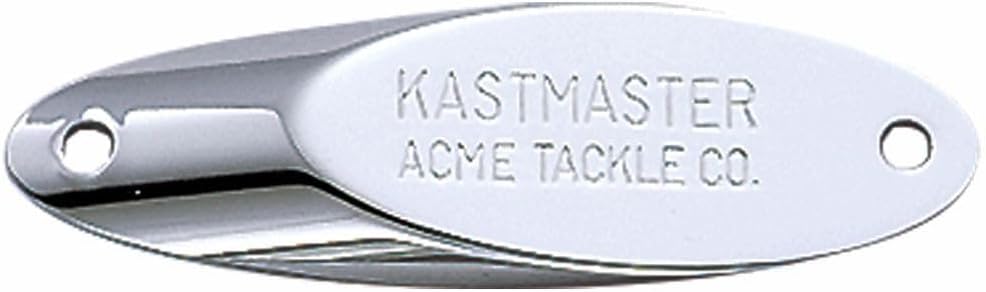
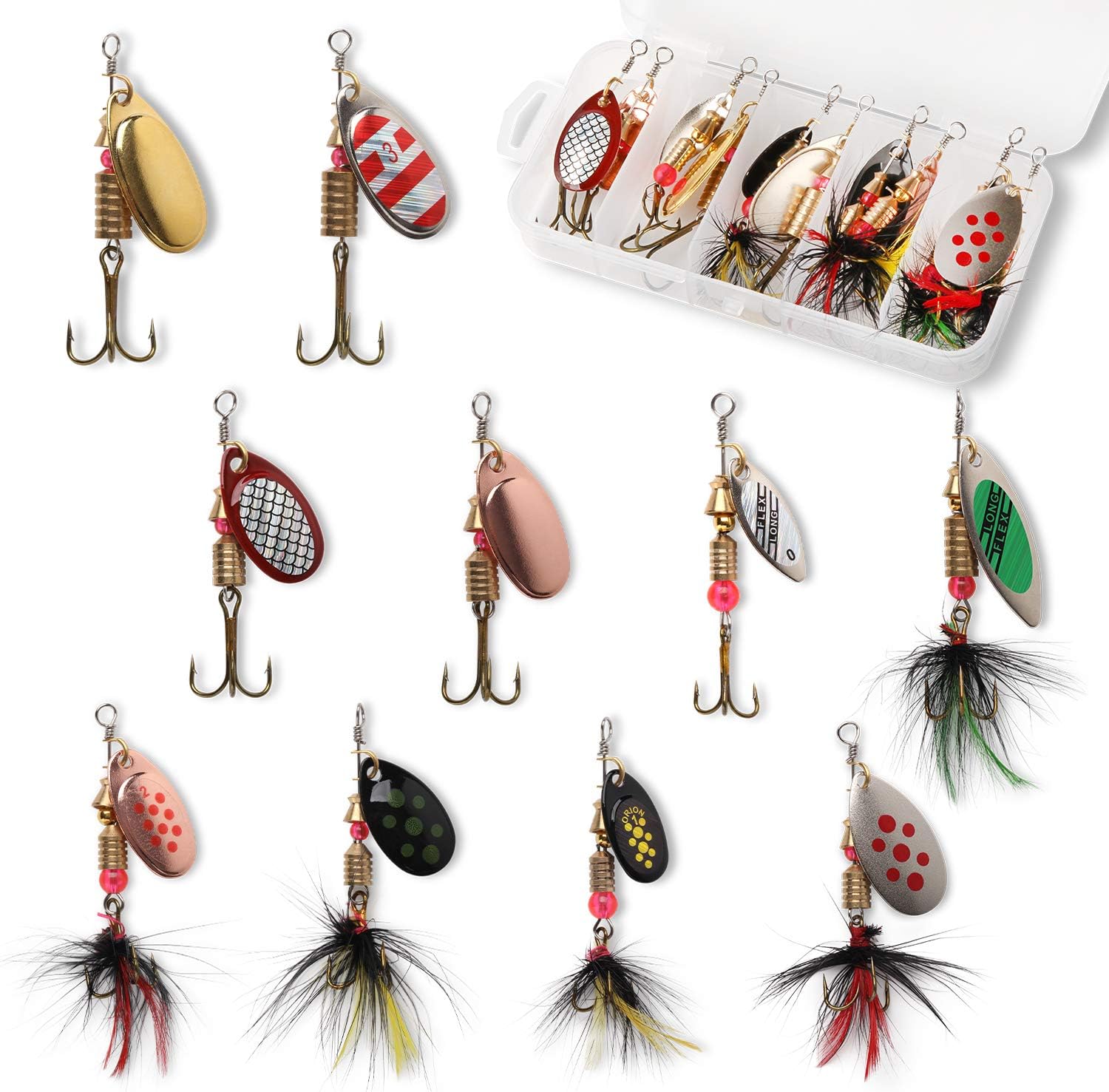
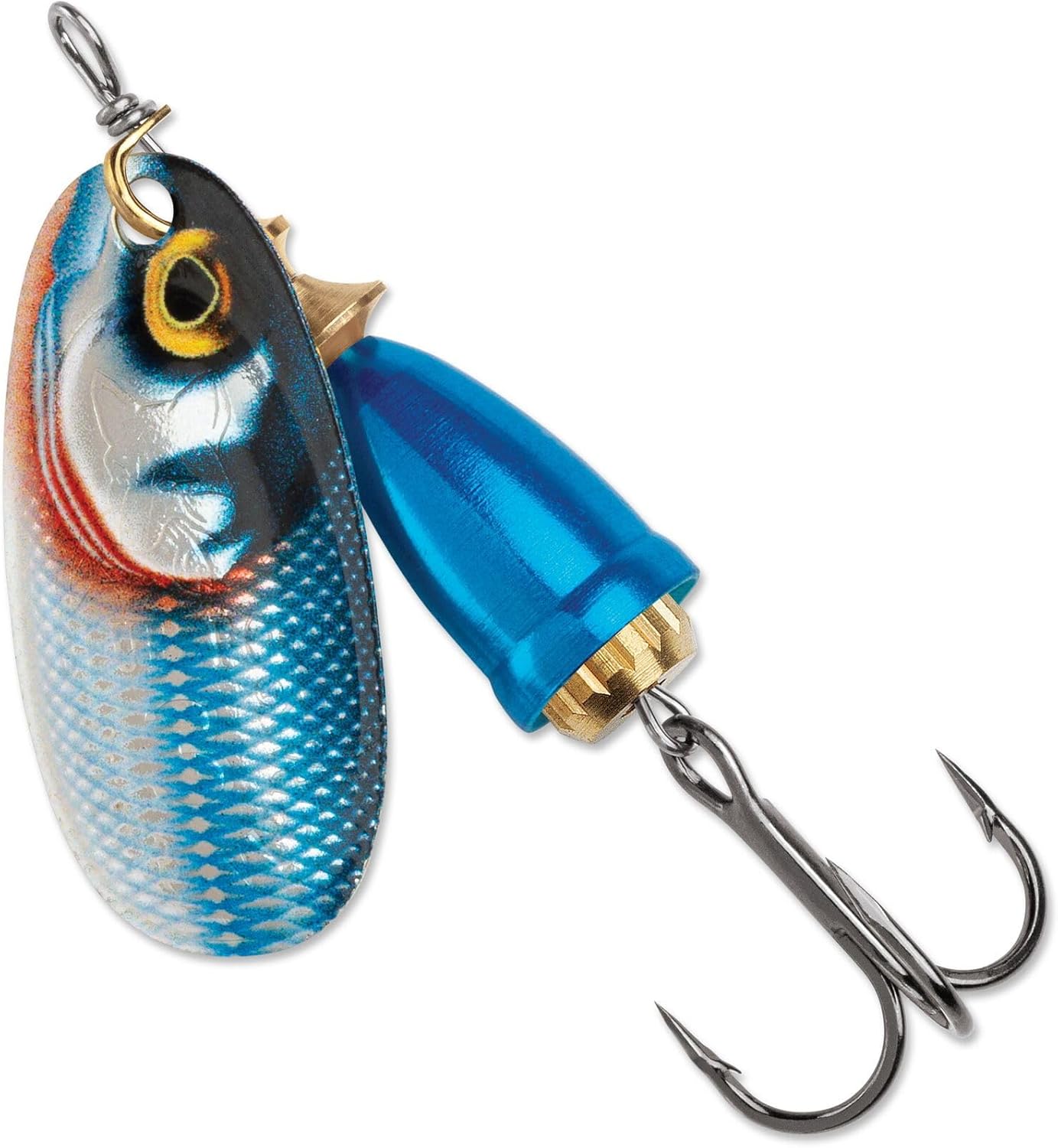
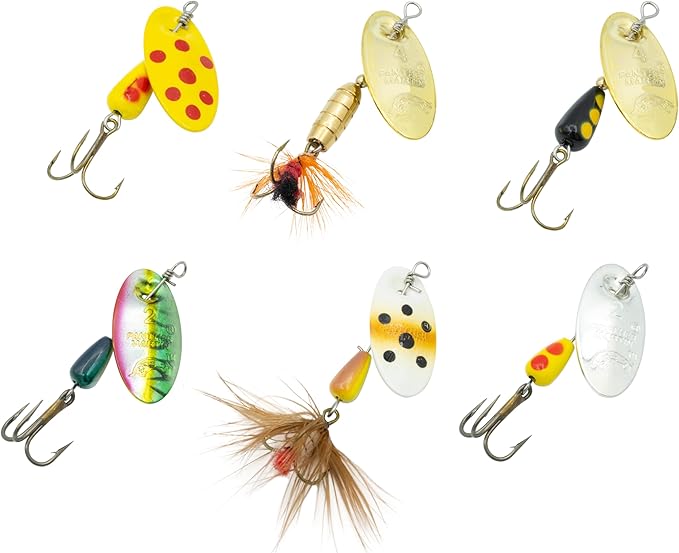
Small spinners and spoons produce cutthroat in both streams and lakes. Mepps Aglia and Panther Martin in sizes 0–2 are effective — especially in less-pressured water where fish haven’t been selected against flashy presentations.
➜ Mepps Aglia Size 1 — Buy on Amazon
Best Cutthroat Waters
- Yellowstone National Park — the Yellowstone River, Slough Creek, and tributaries; catch-and-release only for all native cutthroat
- Snake River, Idaho/Wyoming — fine-spotted Snake River cutthroat in outstanding water
- Flathead River drainage, Montana — westslope cutthroat in relatively remote water
- Pyramid Lake, Nevada — trophy Lahontan cutthroat, world-record territory
- Olympic Peninsula coastal streams, Washington — sea-run coastal cutthroat
- Uncompahgre and Upper Rio Grande, Colorado — native cutthroat in wilderness drainages
- Central Idaho wilderness — Frank Church and Selway-Bitterroot wilderness streams
Cutthroat Conservation
Native cutthroat populations have been devastated across much of their historic range. Hybridization with non-native rainbows is the biggest threat (cutthroat and rainbow will interbreed readily, and the hybrids — called “cuttbows” — replace pure cutthroat over time). Habitat degradation, competition from introduced brown trout, and water diversions add to the pressure.
If you fish native cutthroat water, especially for threatened subspecies, practice strict catch-and-release. Keep the fish wet, handle minimally, and don’t fish spawning fish in the spring. Many native cutthroat waters are specifically regulated for catch-and-release only — follow those rules and consider applying them voluntarily even where harvest is legal.
Book a Guided Cutthroat Trip
Yellowstone cutthroat fishing is one of the experiences most worth booking a guide for. A Yellowstone or Park-adjacent guide knows where fish are holding, which hatches are active, and how to access water you’d never find on your own in a short trip. It’s money well spent.
➜ Browse Yellowstone Fly Fishing Guided Trips — Viator
Frequently Asked Questions
Are cutthroat easier to catch than brown trout?
Generally yes, particularly in wilderness settings. Cutthroat in low-pressure waters rise readily to dry flies and take a wide variety of presentations. Heavily pressured cutthroat can become selective but rarely reach the difficulty level of pressured browns.
What’s the best cutthroat fly?
For summer dry fly fishing, a hopper pattern in sizes 10–12 or a Parachute Adams in 14–16. For nymphing, a Pheasant Tail or Beadhead Prince Nymph in sizes 14–16. These cover 90% of cutthroat situations.
Can I keep cutthroat trout?
Depends on the water and subspecies. Many native cutthroat waters are catch-and-release only. Threatened subspecies (greenback, Paiute) are always catch-and-release. Check regulations carefully before keeping any cutthroat. Stocked cutthroat in some waters can be harvested, but native wild populations should generally be released.
What’s the biggest cutthroat ever caught?
The world record Lahontan cutthroat from Pyramid Lake was around 41 pounds, caught in 1925. Current Pyramid Lake fish commonly exceed 10 pounds. In stream settings, a 20-inch cutthroat is exceptional.
How do I tell cutthroat from rainbow trout?
The red or orange “cutthroat” slash marks under the lower jaw are definitive — rainbows don’t have them. Cutthroat also tend to have more prominent spotting concentrated toward the tail. In hybrid zones, “cuttbows” can be harder to distinguish; a faint slash or mixed characteristics usually indicate hybridization.
Related Guides
- Yellowstone Fishing Guide
- All Trout Species
- Fly Fishing for Trout
- Montana Fishing Guide
- Catch and Release
About the Author
By Kenny — SoCal angler who learned trout fishing during college years in Fort Collins, Colorado (Poudre, Horsetooth, Estes Park) and now fishes the Sierras and SoCal lakes with my daughter Scarlett. No steelhead or salmon yet, and no ice fishing — those are on the list.