Author: kenny

  • Cutthroat Trout Fishing Guide: The Trout of the American West

    Cutthroat Trout Fishing Guide: The Trout of the American West

    Cutthroat are the native trout of the American West. They’re in every major Rocky Mountain drainage from the Canadian border down to northern New Mexico, and in coastal streams from Northern California to Alaska. The distinctive red or orange slash marks under the jaw — the “cutthroat” — are the quick visual ID on every subspecies.

    Quick honest note: I haven’t fished cutthroat in their native waters. Yellowstone, the wilderness rivers of Idaho and Montana, and Pyramid Lake in Nevada are all on my list. What I can tell you is based on research, conversations with anglers who’ve fished these places, and what I know about trout fishing in general — not from first-hand cutthroat time. That said, cutthroat in wilderness waters are famously willing to eat dry flies, and most cutthroat-focused trips produce more fish than they do challenge.

    Cutthroat Subspecies

    The cutthroat is not one fish — it’s a complex of related subspecies, each isolated in a specific drainage during the last ice age. At least 14 recognized subspecies exist, though many are threatened or endangered.

    • Yellowstone cutthroat — the most abundant; Greater Yellowstone ecosystem
    • Westslope cutthroat — native to Montana and Idaho drainages
    • Coastal cutthroat — Pacific coastal streams from California to Alaska; includes sea-run populations
    • Lahontan cutthroat — Nevada and California; trophy fish of Pyramid Lake
    • Greenback cutthroat — Colorado’s state fish; federally threatened, limited range
    • Rio Grande cutthroat — New Mexico and southern Colorado headwaters
    • Bonneville cutthroat — Utah and portions of the Great Basin
    • Snake River fine-spotted cutthroat — Wyoming’s upper Snake River drainage

    Several subspecies are federally threatened and must be released. Know what you’re catching before you decide to harvest anything.

    Cutthroat Behavior

    Cutthroat have a reputation for being less wary than brown trout. In wilderness settings with low angling pressure, they’ll rise to dry flies readily and take nymphs aggressively. In Yellowstone especially, where many fish have minimal exposure to anglers, they can be remarkably willing eaters.

    That reputation has limits. Heavily pressured cutthroat on easy-access water become more selective — a Yellowstone cutthroat on Slough Creek in August, after hundreds of anglers have drifted flies past it all summer, can be just as challenging as any brown. Pyramid Lake Lahontan cutthroat, pressured by a specialized fishery, are demanding in their own way.

    Best Techniques for Cutthroat

    Dry Fly Fishing

    Cutthroat are exceptional dry fly targets. Elk Hair Caddis, Parachute Adams, and Stimulators all produce consistently. Hopper patterns fished tight to grassy banks produce explosive strikes in the summer and early fall. The classic western cutthroat experience is a July afternoon on a meadow stream with a size-12 hopper and a fish under every bank.

    ➜ Parachute Adams Assortment Sizes 14–18 — Buy on Amazon

    Nymphing

    Pheasant Tail and Hare’s Ear nymphs drifted under a strike indicator produce cutthroat year-round. The Beadhead Prince Nymph is particularly effective in Yellowstone, where it’s been a go-to pattern for decades.

    ➜ Beadhead Prince Nymph Assortment — Buy on Amazon

    Spinning

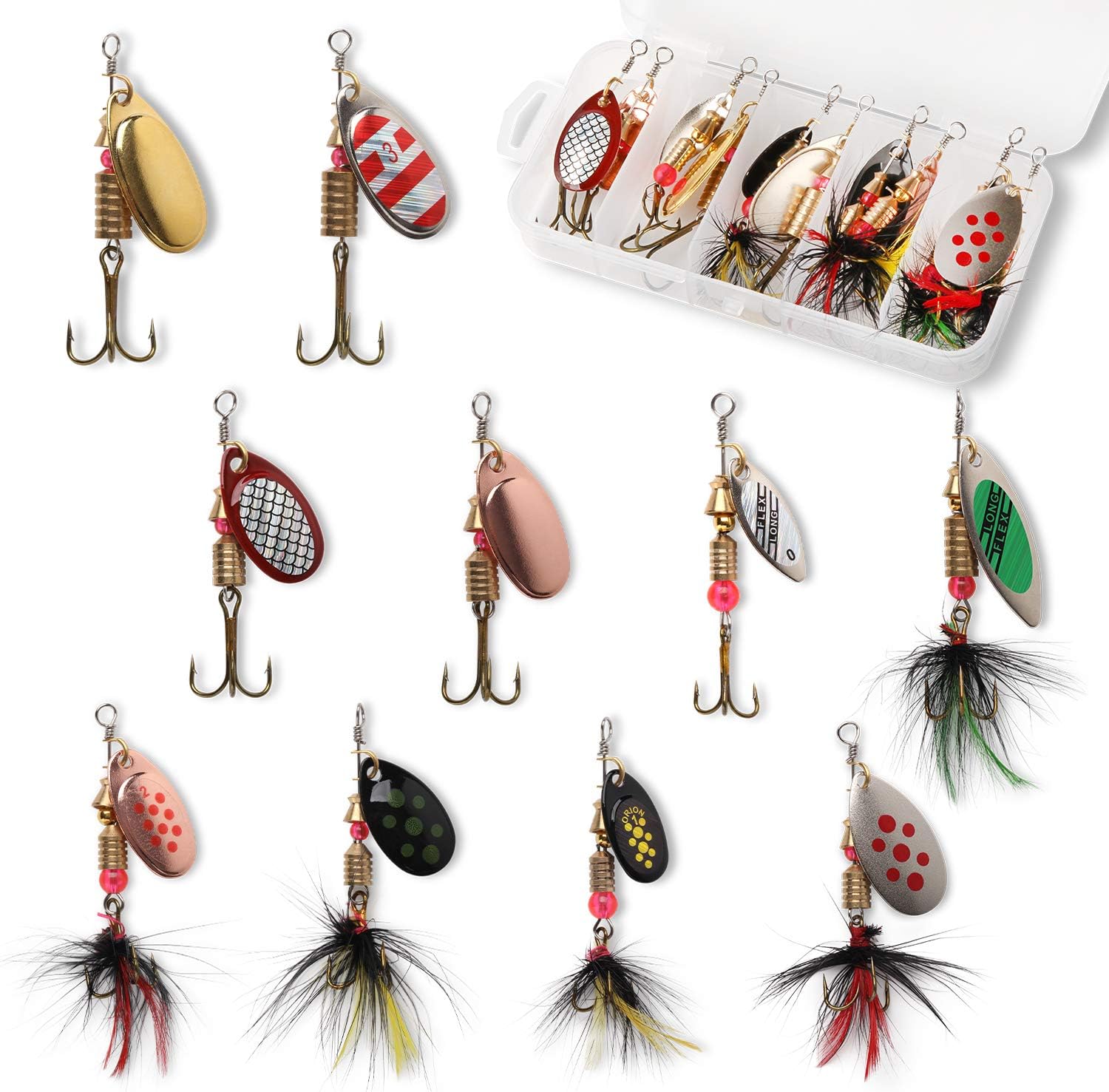
    Small spinners and spoons produce cutthroat in both streams and lakes. Mepps Aglia and Panther Martin in sizes 0–2 are effective — especially in less-pressured water where fish haven’t been selected against flashy presentations.

    ➜ Mepps Aglia Size 1 — Buy on Amazon

    Best Cutthroat Waters

    • Yellowstone National Park — the Yellowstone River, Slough Creek, and tributaries; catch-and-release only for all native cutthroat
    • Snake River, Idaho/Wyoming — fine-spotted Snake River cutthroat in outstanding water
    • Flathead River drainage, Montana — westslope cutthroat in relatively remote water
    • Pyramid Lake, Nevada — trophy Lahontan cutthroat, world-record territory
    • Olympic Peninsula coastal streams, Washington — sea-run coastal cutthroat
    • Uncompahgre and Upper Rio Grande, Colorado — native cutthroat in wilderness drainages
    • Central Idaho wilderness — Frank Church and Selway-Bitterroot wilderness streams

    Cutthroat Conservation

    Native cutthroat populations have been devastated across much of their historic range. Hybridization with non-native rainbows is the biggest threat (cutthroat and rainbow will interbreed readily, and the hybrids — called “cuttbows” — replace pure cutthroat over time). Habitat degradation, competition from introduced brown trout, and water diversions add to the pressure.

    If you fish native cutthroat water, especially for threatened subspecies, practice strict catch-and-release. Keep the fish wet, handle minimally, and don’t fish spawning fish in the spring. Many native cutthroat waters are specifically regulated for catch-and-release only — follow those rules and consider applying them voluntarily even where harvest is legal.

    Book a Guided Cutthroat Trip

    Yellowstone cutthroat fishing is one of the experiences most worth booking a guide for. A Yellowstone or Park-adjacent guide knows where fish are holding, which hatches are active, and how to access water you’d never find on your own in a short trip. It’s money well spent.

    ➜ Browse Yellowstone Fly Fishing Guided Trips — Viator

    Frequently Asked Questions

    Are cutthroat easier to catch than brown trout?

    Generally yes, particularly in wilderness settings. Cutthroat in low-pressure waters rise readily to dry flies and take a wide variety of presentations. Heavily pressured cutthroat can become selective but rarely reach the difficulty level of pressured browns.

    What’s the best cutthroat fly?

    For summer dry fly fishing, a hopper pattern in sizes 10–12 or a Parachute Adams in 14–16. For nymphing, a Pheasant Tail or Beadhead Prince Nymph in sizes 14–16. These cover 90% of cutthroat situations.

    Can I keep cutthroat trout?

    Depends on the water and subspecies. Many native cutthroat waters are catch-and-release only. Threatened subspecies (greenback, Paiute) are always catch-and-release. Check regulations carefully before keeping any cutthroat. Stocked cutthroat in some waters can be harvested, but native wild populations should generally be released.

    What’s the biggest cutthroat ever caught?

    The world record Lahontan cutthroat from Pyramid Lake was around 41 pounds, caught in 1925. Current Pyramid Lake fish commonly exceed 10 pounds. In stream settings, a 20-inch cutthroat is exceptional.

    How do I tell cutthroat from rainbow trout?

    The red or orange “cutthroat” slash marks under the lower jaw are definitive — rainbows don’t have them. Cutthroat also tend to have more prominent spotting concentrated toward the tail. In hybrid zones, “cuttbows” can be harder to distinguish; a faint slash or mixed characteristics usually indicate hybridization.


    Related Guides


    About the Author

    By Kenny — SoCal angler who learned trout fishing during college years in Fort Collins, Colorado (Poudre, Horsetooth, Estes Park) and now fishes the Sierras and SoCal lakes with my daughter Scarlett. No steelhead or salmon yet, and no ice fishing — those are on the list.

  • Lake Trout Fishing Guide: Deep Water Tactics for Trophy Lakers

    Lake Trout Fishing Guide: Deep Water Tactics for Trophy Lakers

    Lake trout are the deepest-dwelling, longest-lived, and largest of the North American trout species. They live where most trout can’t — cold water 50 to 100+ feet down in big lakes and northern waters — and reaching them requires understanding the water column and presenting lures at precise depths. Solve that puzzle and you have access to fish that grow to extraordinary sizes and live for decades.

    I’ve fished lake trout on Horsetooth Reservoir in Colorado back in college, and I’ve done plenty of deep trolling for other species on Lake Isabella in the Sierras. The techniques transfer — if you understand how to get a lure to depth and keep it there, you can catch lake trout anywhere they live.

    Lake Trout Habitat

    Lake trout require cold water — below 55°F is the rule. In summer, that means they drop deep: 50–100+ feet in most of their range, following the thermocline down. In spring and fall when the surface water is cold, they move shallow (10–40 feet) and feed aggressively near shore. Ice-out and the weeks just after are the most productive times for shallow-water lake trout fishing in the year.

    Structure matters. Deep rocky points, underwater humps, drop-offs from shoreline, and submerged islands are all primary feeding areas. Lake trout are ambush predators despite their size — they hold on structure and intercept baitfish passing by. A featureless basin holds fewer fish than the same basin with a rocky hump rising from the bottom.

    Trolling for Lake Trout

    Trolling is the most efficient method for covering water at the right depth. The key is getting your lure to the exact depth where fish are holding. A fish finder is essential for this — you’re looking for fish marks at a specific depth, then adjusting your presentation to match.

    Depth Control Methods

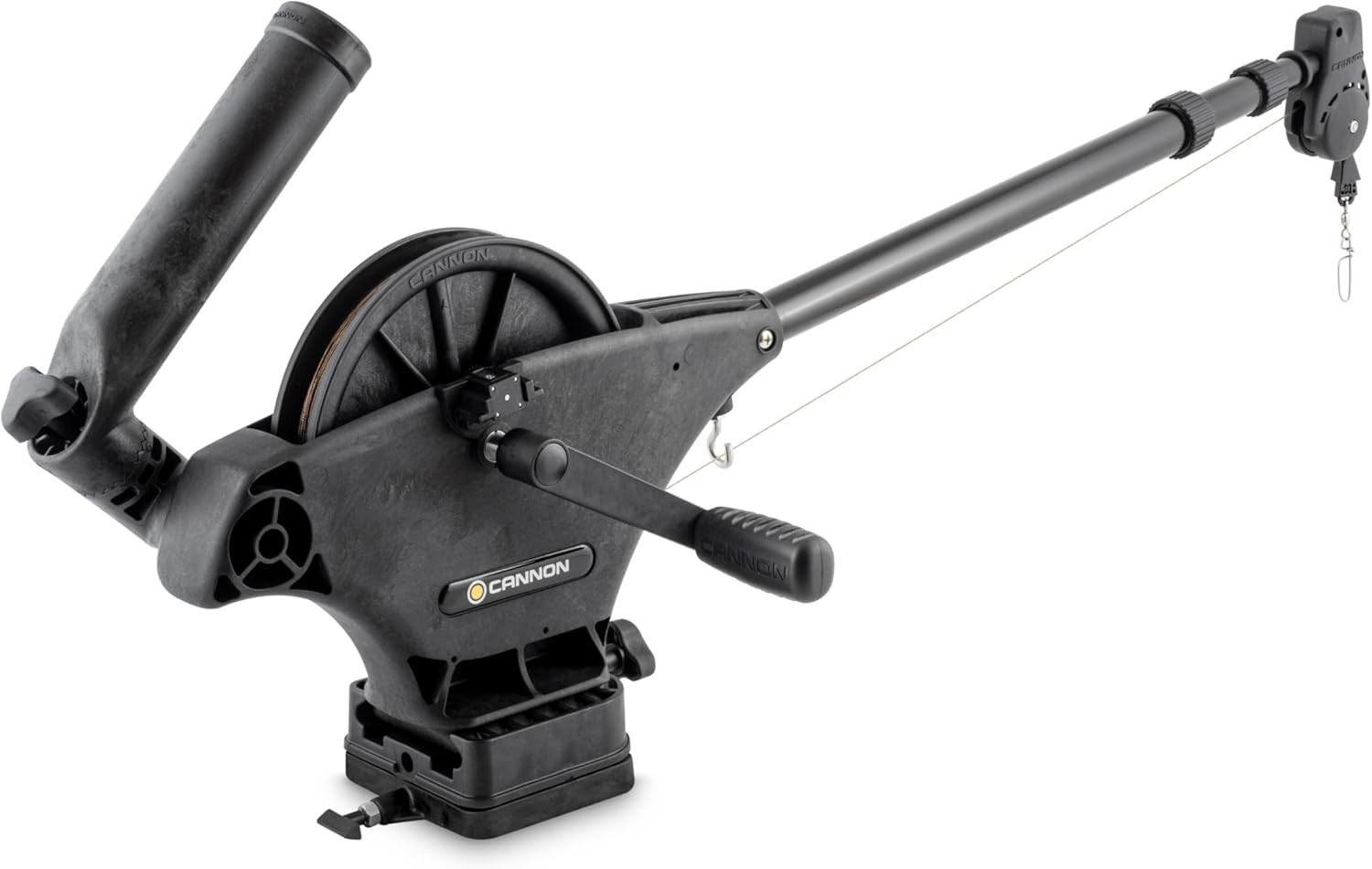
    Downriggers — the most precise depth control tool. A cannonball lowered on a cable holds your line at an exact depth. Line clips to the cannonball with a quick-release; when a fish strikes, the line pops free and you fight the fish on a slack line.

    Cannon downrigger

    ➜ Cannon Uni-Troll Manual Downrigger — Buy on Amazon

    Lead core line — a sinking line built into your mainline that sinks at a predictable rate (approximately 5 feet per 10-yard color segment). Less precise than downriggers but much cheaper and works well for fish holding at moderate depths (20–40 feet).

    ➜ Sufix Lead Core Trolling Line — Buy on Amazon

    Trolling Lures

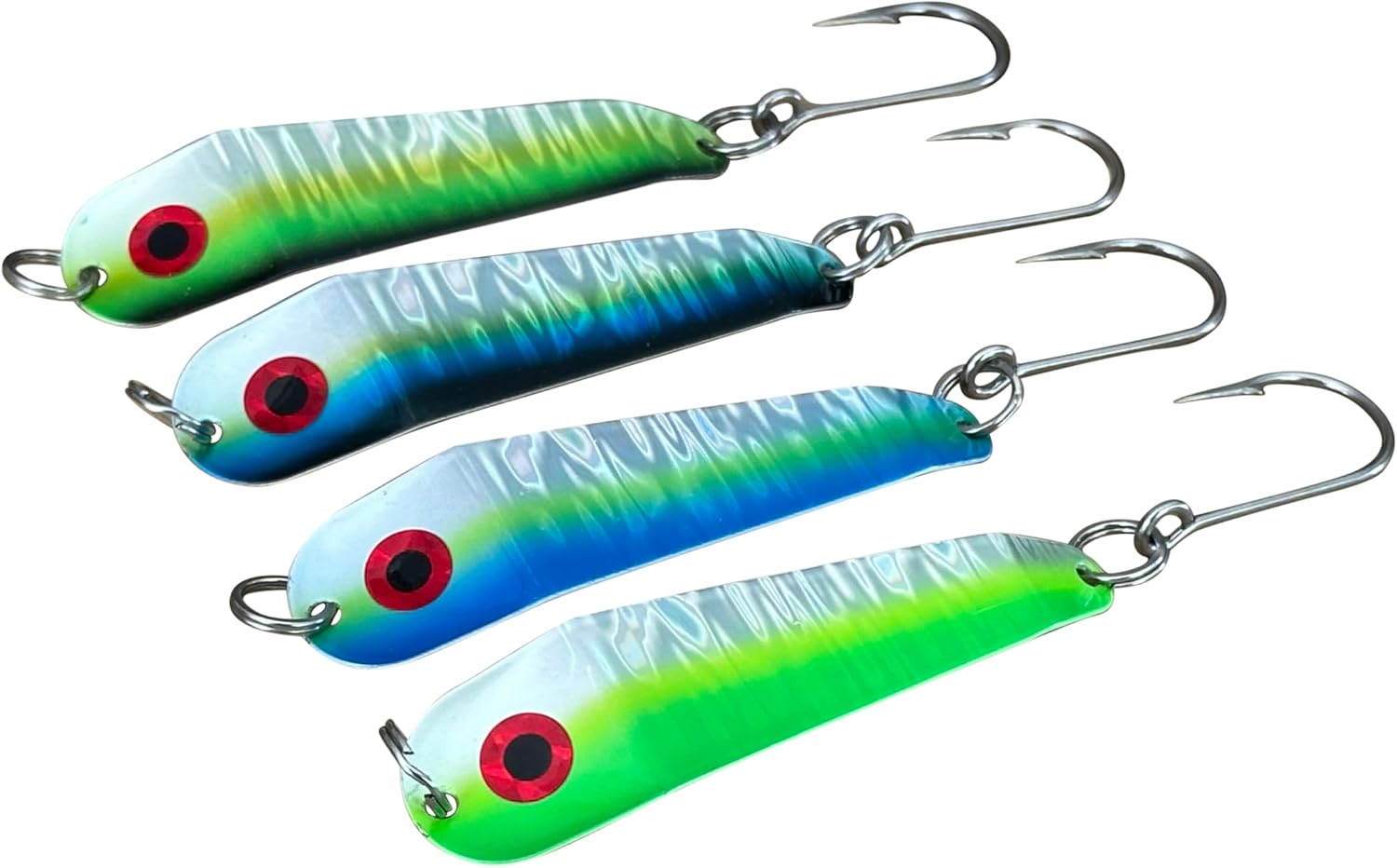
    Spoons — the most universally effective lake trout trolling lure. Classic Great Lakes patterns work wherever lake trout swim. The side-to-side wobble at 1.5–2 mph imitates a wounded baitfish, which is what lake trout key in on.

    NK 28 trolling spoon

    ➜ Loony Trolling Spoon — Buy on Amazon

    Trolling speed matters — lake trout prefer slower presentations than rainbows or browns. 1.5–2 mph is the typical range. Faster than that and you’re wasting water.

    Jigging for Lake Trout

    Heavy jigging spoons (1–3 oz) dropped to the bottom and worked with a lift-drop cadence produce aggressive strikes. Jigging is especially effective when fish are concentrated on specific structure — tightly schooled on a deep rock pile, for example. You can work the exact spot where fish are holding without having to cover water by trolling.

    Jigging is also the primary method for Great Lakes tributary fishing in spring and fall, when lake trout follow baitfish into shallower water and can be caught from boats in 20–50 feet.

    Heavy jigging spoon for lake trout

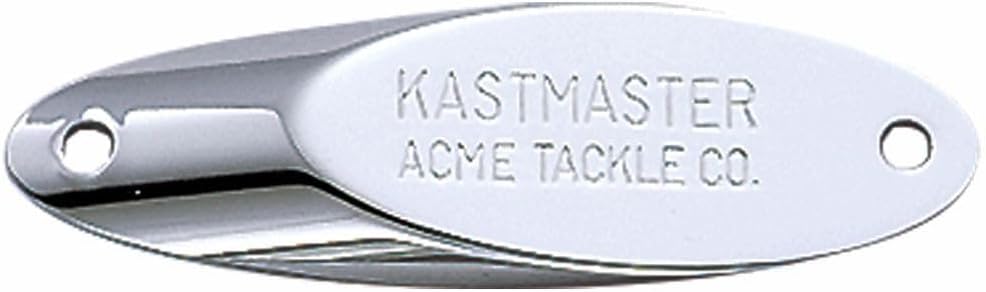
    ➜ Acme Kastmaster 1oz Jigging Spoon — Buy on Amazon

    Lake Trout Gear

    Trolling rod: 8–10 foot medium-heavy rated for 15–30 lb line. Longer rods spread out a multi-rod trolling spread without tangles; the heavier power handles big fish at depth.

    ➜ Ugly Stik Tiger Trolling Rod — Buy on Amazon

    Level-wind reel with line counter — line counters are genuinely useful for lake trout trolling because you can repeat productive depths exactly. Find the depth that’s producing, and every subsequent pass puts your lure right in the strike zone.

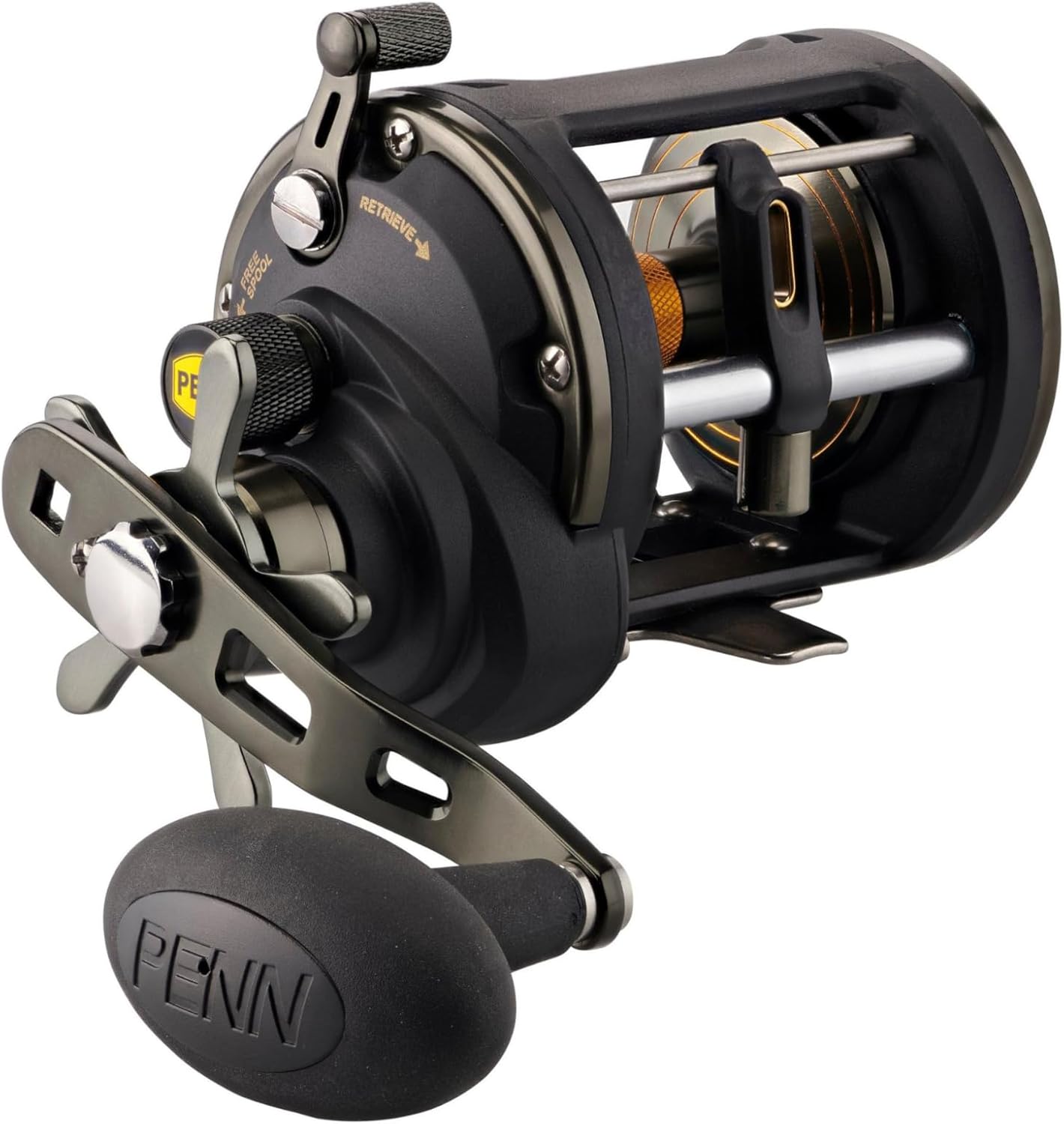
    Penn Squall level wind reel

    ➜ Penn Squall Level Wind Reel — Buy on Amazon

    Reading Electronics for Lake Trout

    Fish finders are critical for lake trout fishing. You’re not fishing the shoreline — you’re fishing a specific depth in open water. Without electronics you’re guessing.

    What to look for:

    • Fish arcs at consistent depth — that’s your target depth for trolling
    • Baitfish schools — big schools attract predators
    • Bottom structure — rocky humps, points, drop-offs
    • Temperature breaks — the thermocline shows up as a distinct layer on many electronics

    Once you find fish at a depth, match your presentation to that depth and work the area. Lake trout often school, so where you find one there are usually more.

    Best Lake Trout Destinations

    • Lake Superior — largest of the Great Lakes; excellent lake trout fishing year-round
    • Lake Michigan — recovering population; good spring trolling near tributary mouths
    • Great Bear Lake, NWT — world-record lake trout water in remote northern Canada
    • Lake Nipigon, Ontario — legendary trophy lake trout; 40+ pound fish are genuine targets
    • Flaming Gorge Reservoir, Utah/Wyoming — outstanding lake trout fishery in the West
    • Lake Champlain, Vermont/New York — accessible lake trout fishing for East Coast anglers
    • Yellowstone Lake, Wyoming — lake trout targeted for removal because they prey on native cutthroat; bag limits are generous

    Ice Fishing for Lake Trout

    In northern states, ice fishing opens up lake trout access that would require deep-water boat trolling in summer. Ice fishing is an entire specialty in itself — I haven’t done it (not much ice in SoCal), but from what I’ve read, it produces some of the biggest lake trout of the year as fish move shallower under the ice. See our ice fishing for trout guide for details.

    Frequently Asked Questions

    How deep do lake trout live?

    In summer, commonly 50–100+ feet, following water below 55°F. In spring and fall they move to 10–40 feet. During ice-out and late ice, they can be caught in the top 20 feet.

    What’s the best time of year for lake trout?

    Spring and fall are consistently the best — water is cold enough that lake trout are shallow and aggressive. Summer fishing requires reaching them at depth. Ice fishing in northern states produces excellent fish in winter.

    How long do lake trout live?

    30+ years has been documented. Slow growth means a 20-pound fish might be 20 years old. This is why over-harvest is such a concern — populations recover slowly.

    What do lake trout eat?

    Primarily other fish — smelt, cisco, alewife, whitefish depending on the water body. Also insects and crustaceans when younger. They’re opportunistic predators.

    Are lake trout good to eat?

    Yes, but the flavor varies. Lake trout from cold, clear, oligotrophic lakes (typical northern lakes) tend to be excellent. Fish from warmer or more productive waters can have a stronger flavor. Check mercury advisories — some Great Lakes populations have consumption limits.


    Related Guides


    About the Author

    By Kenny — SoCal angler who learned trout fishing during college years in Fort Collins, Colorado (Poudre, Horsetooth, Estes Park) and now fishes the Sierras and SoCal lakes with my daughter Scarlett. No steelhead or salmon yet, and no ice fishing — those are on the list.
  • Brook Trout Fishing Guide: Finding Native Fish in Wild Places

    Brook Trout Fishing Guide: Finding Native Fish in Wild Places

    Brook trout are America’s native jewel. They’re not technically trout (they’re char, same genus as lake trout and bull trout), but everyone calls them trout and that’s not going to change. What matters is that they’re brilliantly colored, they live in some of the most remote and beautiful water in North America, and fishing for them is as much about the journey as the catching.

    I caught plenty of brook trout in small streams around Estes Park during college. Two things stand out from that experience. First, no photograph does justice to the colors — the vermiculation pattern on the back, the red spots with blue halos, and the white-and-black leading edges of the lower fins are more striking in person than any picture. Second, you consistently pull them out of water that looks like it couldn’t hold a fish that size. A thin ribbon of creek running through a meadow turns out to have 10-inch brookies stacked in every pool. Small-stream brookie fishing is one of the most quietly satisfying kinds of fishing I know.

    Brook Trout Habitat

    Brook trout require water consistently below 65°F, ideally 55–60°F. They’re the most cold-sensitive of the common trout species — the first species to disappear when water quality degrades, temperature rises, or introduced browns and rainbows take over a fishery. Look for them in:

    • Headwater streams above natural barriers (waterfalls, gradient breaks)
    • Spring-fed streams with consistent cold temperatures year-round
    • High-altitude lakes, especially in the Appalachians and Rockies
    • Beaver ponds and bog-fed creeks in boreal regions
    • Coastal Maine and Canadian Maritimes saltwater (sea-run “salters”)

    The remote, hard-to-reach water that holds wild brookies is a big part of their appeal. You usually have to work to get to good brook trout water, which means fewer anglers and more willing fish.

    Best Techniques for Brook Trout

    Small Stream Fly Fishing

    Brook trout in small mountain streams are generally the least selective trout you’ll encounter. They’ll hit almost any fly presented naturally near their holding water. A 7–8 foot, 3-weight rod is ideal for tight casting conditions — shorter rods make less contact with overhanging branches, lighter weights present small flies softly on small water.

    Stimulator dry fly (sizes 12–16) — high-floating attractor visible in broken water. The go-to brookie dry fly for pocket water and riffles.

    ➜ Stimulator Dry Fly Assortment — Buy on Amazon

    Royal Wulff (sizes 12–16) — classic attractor dry that brookies can’t resist. The red body and white wings make it easy to see even in low light or fast water, and brookies commit hard to it.

    ➜ Royal Wulff Dry Fly Assortment — Buy on Amazon

    Small Spinners

    Tiny spinners are devastatingly effective on brook trout in small streams. Size 0 or 1 Mepps or a 1/32 oz Panther Martin cast upstream and retrieved just fast enough to keep the blade spinning will produce hookups consistently. Spinners work particularly well when the water is a little stained after rain.

    Mepps Aglia size 0 spinner

    ➜ Mepps Aglia Size 0 — Buy on Amazon

    Worms and Natural Bait

    A garden worm on a small hook, drifted through a pool, catches more wild brook trout than anything else. In states where bait is legal, this is how generations of Appalachian kids have learned to fish. It’s simple and it works.

    Reading Small Brook Trout Water

    Every pool in a small stream has a structure. The fastest water at the head carries food in. The deep part in the middle holds fish. The tail slows down and delivers drift to fish in the next pool down. On a small creek, you can usually see where the brook trout are without fishing — just watch for a minute and note where the food would pile up.

    Key spots on brook trout water:

    • Head of pools where fast water enters
    • Behind rocks that create current breaks
    • Undercut banks, especially under overhanging vegetation
    • Deep pools below small waterfalls or ledges
    • Anywhere the current slows behind or beside a log jam

    Wade carefully — brook trout in small clear water are easily spooked. Approach from downstream when possible. Cast short. Make your first cast your best cast because you might only get one before the fish you’re working is spooked off.

    Gear for Brook Trout

    The key with brook trout gear is “light.” Light rod, light line, small flies and lures. Match the scale of the fish and the water.

    Ultralight spinning rod: 5–6 foot for small streams. Matches the small lures and the small fish.

    ➜ Ugly Stik Elite 5ft Ultralight — Buy on Amazon

    Light fly rod: 7–8 foot, 3-weight. Perfect for small-stream brookie water where a 5-weight would feel like overkill.

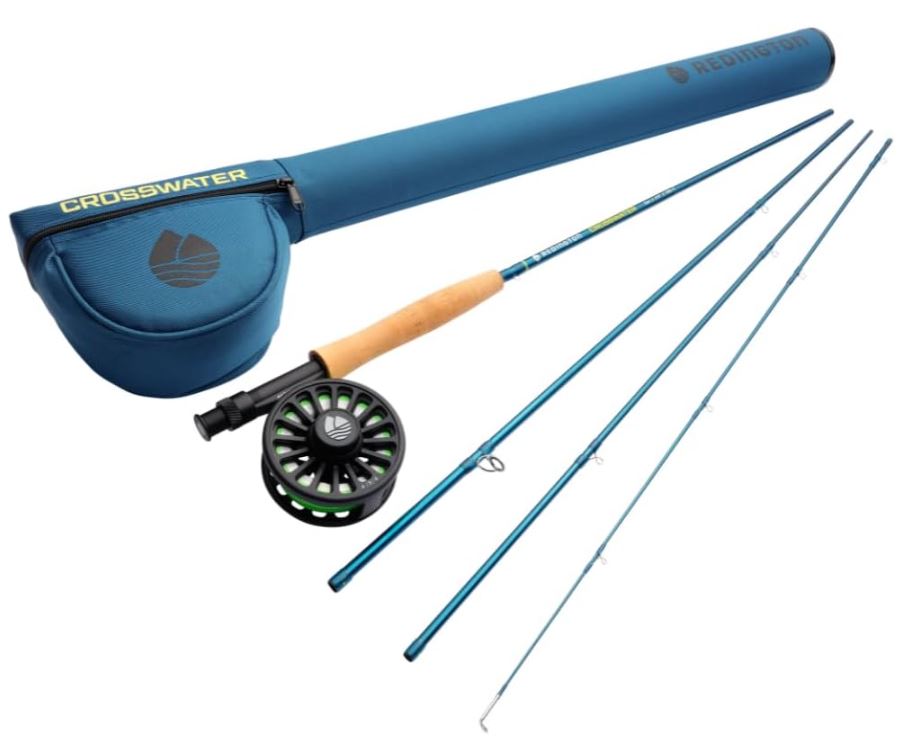
    ➜ Redington Crosswater 8ft 4wt — Buy on Amazon

    Best Brook Trout Destinations

    • Great Smoky Mountains National Park — the best native brook trout in the Southeast
    • Adirondack Mountains, New York — brook trout in hundreds of ponds and streams
    • Vermont — Green Mountain National Forest — small-stream brookie fishing
    • Baxter State Park, Maine — remote trophy brookies
    • Shenandoah National Park, Virginia — native brook trout streams
    • Rocky Mountain National Park, Colorado — high-altitude brook trout (non-native here but well-established)
    • Boundary Waters, Minnesota — canoe-in brookie fishing
    • Nipigon River, Ontario — world-class trophy brook trout

    Conservation

    Native brook trout populations are declining across much of their historic range. Habitat degradation, stream warming, and competition from introduced browns and rainbows have reduced native brookies to remote headwater refuges in most of the East. Where you find native brookies, practice strict catch-and-release. Wet your hands before handling, keep the fish in the water as much as possible, and don’t target spawning fish in the fall.

    Stocked brook trout (common in many Eastern states and high-country lakes in the West) are a different ethical situation — they’re not self-sustaining populations and harvest is often encouraged. Know which you’re fishing.

    Frequently Asked Questions

    How big do brook trout get?

    Most wild stream brookies are 6–10 inches. A 12-inch brookie is a good fish in most water. 15+ inches is exceptional. The biggest brook trout come from large lakes in northern Canada, where fish over 5 pounds are caught every year, and from the famous Lac Albanel region of Quebec where trophies over 10 pounds exist.

    Are brook trout easier to catch than rainbows?

    Generally yes, especially in remote water. Brookies are less pressured, less selective, and more willing to hit a wide variety of presentations. That’s not universal — heavily pressured brook trout in popular parks can become just as spooky as any other trout.

    What’s the best fly for brook trout?

    Any bushy attractor dry fly — Stimulator, Royal Wulff, Elk Hair Caddis — in sizes 12–16. Brookies aren’t picky. A fly you can see is often more important than a “correct” fly.

    Are brook trout a native fish?

    Native to eastern North America — from Labrador to northern Georgia, and west to the upper Midwest. Introduced (and now established) in western states, where they’re generally considered invasive because they compete with native cutthroat.

    Can you eat brook trout?

    Yes, they’re excellent eating — considered among the finest of trout. Firm flesh with delicate flavor. That said, in most native waters they should be released to support struggling populations. Harvest is appropriate from stocked ponds and high-mountain lakes where populations are robust.


    Related Guides


    About the Author

    By Kenny — SoCal angler who learned trout fishing during college years in Fort Collins, Colorado (Poudre, Horsetooth, Estes Park) and now fishes the Sierras and SoCal lakes with my daughter Scarlett. No steelhead or salmon yet, and no ice fishing — those are on the list.
  • Brown Trout Fishing Guide: How to Catch Trophy Browns

    Brown Trout Fishing Guide: How to Catch Trophy Browns

    Brown trout are the chess match of trout fishing. They’re bigger than most rainbows, wiser than all of them, and almost impossible to fool once they’ve been around a few seasons. The biggest brown in any river probably hasn’t been caught in years. Catching a real one — say, over 20 inches — on your own fly or lure is one of the genuine achievements in freshwater fishing.

    Most of my brown trout experience came from the North Fork of the Poudre during college in Fort Collins. Those fish taught me more about actual trout fishing than any other species. The consistent lesson: if a brown is the dominant fish in a pool, everything else is secondary. Browns take the best lies and push smaller rainbows and brookies out. If you find good holding water with no rainbows visible, it’s probably because a brown owns it.

    Brown Trout Behavior

    Browns change their behavior dramatically as they grow. Small browns (under 12 inches) act like rainbows — feed on insects, rise to dry flies, hold in current seams. Fish between 12 and 16 inches start shifting — they still eat insects but increasingly target larger food. Fish over 16 inches become predators. They eat other fish, crawfish, frogs, and sometimes even small mammals.

    The biggest behavioral shift is timing. Large browns in heavily pressured water become almost entirely nocturnal. They feed from sunset to sunrise and spend the daylight hours tucked under undercut banks, logs, or in deep pools where they can’t be reached by conventional presentations. This is why streamer fishing at dawn and dusk produces more trophy browns than any daylight technique, and why some of the biggest browns in the country are caught after full dark by anglers fishing mouse patterns under a headlamp.

    Best Techniques for Brown Trout

    Streamers at Dawn and Dusk

    Large streamer flies fished aggressively at low light are the most consistent method for big browns. A 4–5 inch streamer stripped fast through deep runs and undercut banks triggers the predatory instinct of fish that won’t look at a nymph. The retrieve matters — short, sharp strips that make the fly dart and pause imitate a wounded baitfish. A slow steady retrieve rarely produces.

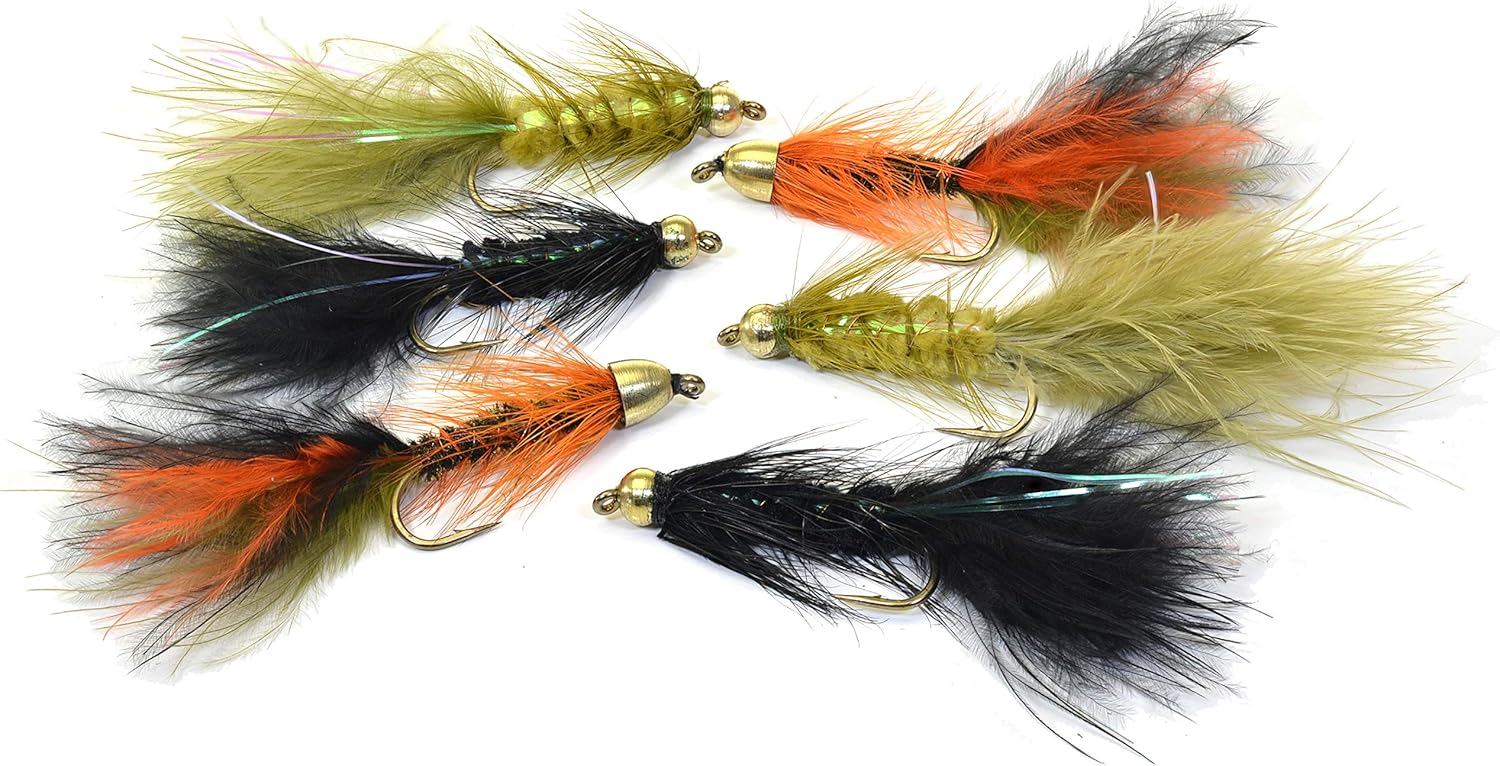
    Woolly Bugger in black, olive, or brown (sizes 4–8) — the workhorse brown trout streamer. Simple, deadly, works everywhere.

    Woolly Bugger streamer

    ➜ Woolly Bugger Streamer Assortment — Buy on Amazon

    Articulated streamers — two-hook patterns with more movement. Better for the biggest fish that want a real mouthful. The articulated joint lets the fly swim and pulse in ways a single-hook streamer can’t.

    ➜ Articulated Streamer Assortment — Buy on Amazon

    Large Dry Flies — Hopper Fishing

    Grasshopper patterns slapped near undercut banks in late summer produce explosive strikes from fish that won’t eat anything else. Hopper season runs roughly July through September on most western rivers. The fish are keyed in on terrestrials and will come up from depth for a well-placed pattern.

    The presentation matters — you want to land the hopper within a few inches of the bank, as if a real grasshopper just got blown into the water. A good slap on the surface helps trigger the take.

    ➜ Ventures Fly Co. Hopper Assortment — Buy on Amazon

    Spinning Lures

    Large spinners and spoons (1/4–1/2 oz) work well on brown trout in low-light conditions. Browns eat baitfish — a well-retrieved spinner looks like prey they recognize. Heavier spinners sink deeper and cast farther, both of which matter when you’re trying to reach water that holds big browns.

    Blue Fox Vibrax spinner

    ➜ Blue Fox Vibrax Spinner 1/4oz — Buy on Amazon

    Reading Water for Browns

    Browns hold in different water than rainbows. Where rainbows take the feeding lanes — the seams with consistent drift — browns take the ambush points. Look for:

    • Undercut banks with deep water underneath
    • Log jams and root wads in deeper pools
    • Bridge pilings and bridge shadows
    • Deep holes below riffles, especially where the water goes dark
    • Any structure that gives them overhead cover

    The biggest brown in a river isn’t in the prettiest-looking water. It’s in the spot that gives it the best combination of food access and safety. Usually that means deeper, darker, and uglier than the obvious spots.

    Best Brown Trout Rivers

    • Bighorn River, Montana — consistently the largest average-size browns in the US
    • Madison River, Montana — world-famous hatches and trophy fish
    • Green River, Utah — tailwater below Flaming Gorge Dam, huge fish
    • Delaware River, New York/Pennsylvania — wild browns in a major eastern river
    • White River, Arkansas — southern tailwater with enormous browns (Arkansas produces some of the biggest browns in the country)
    • San Juan River, New Mexico — technical tailwater fishing for heavily-pressured but large browns

    Brown Trout in Smaller Water

    Don’t overlook the small streams. The North Poudre is a good example — not a famous river, but it holds beautiful wild browns up to 18 inches in water that looks too small to support them. The same is true across the country. Some of the best brown trout fishing in the Midwest is on the Driftless Area spring creeks in Wisconsin, Minnesota, and Iowa — tiny water, excellent fish. In Pennsylvania, the limestone creeks (Spring Creek, Penns Creek, Letort) produce trophy browns in water you can step across in places.

    Book a Guided Trip

    ➜ Search and Browse Guided Trout Fishing Trips — Viator

    Frequently Asked Questions

    What time of year are brown trout most active?

    Fall spawning (October–November) makes brown trout aggressive and more visible than any other time. Pre-spawn fish feed heavily and become less wary than usual. Note: actual spawning fish on redds should not be targeted, but pre- and post-spawn periods are prime.

    Why are big browns so hard to catch?

    They’ve survived to be big by being cautious. Every feeding decision is a risk assessment — is the food worth the energy and risk? Large browns eat less frequently than small ones because they don’t have to eat as often. A 20-inch brown might eat a few fish a week and ignore thousands of insects in between.

    What’s the best streamer color for brown trout?

    Dark colors (black, olive, brown) in clear water. Bright colors (white, yellow, chartreuse) in dirty water. Water clarity drives the decision more than light level.

    Are brown trout good to eat?

    Excellent. Firm, flaky, delicate flavor — especially smaller fish. Larger browns can have a stronger flavor from their piscivorous diet. Stocked browns are often harvested; wild browns in most fisheries should be released.

    Do brown trout feed at night?

    Yes — more actively than any other common trout species. Summer night fishing for browns with mouse patterns or big streamers is a legitimate specialized technique, especially on tailwaters. The biggest browns in any river are often caught in the dark.


    Related Guides


    About the Author

    By Kenny — SoCal angler who learned trout fishing during college years in Fort Collins, Colorado (Poudre, Horsetooth, Estes Park) and now fishes the Sierras and SoCal lakes with my daughter Scarlett. No steelhead or salmon yet, and no ice fishing — those are on the list.
  • Rainbow Trout Fishing Guide: Techniques, Gear & Best Waters

    Rainbow Trout Fishing Guide: Techniques, Gear & Best Waters

    Rainbow trout are the most widely caught freshwater gamefish in North America — stocked in lakes and streams from Maine to Hawaii and thriving as wild fish across the Rocky Mountain West. Almost everyone’s first trout is a rainbow. Mine was, decades ago at a SoCal stocked lake on a snelled hook with a chartreuse PowerBait glob. Nothing fancy, but I was hooked on trout fishing after that first fight.

    Rainbows are what most anglers think of when they picture “trout” — acrobatic, hard-fighting, willing to eat a wide variety of presentations, and found almost everywhere. They’re also the most forgiving trout species for new anglers, which is part of why they’re stocked so heavily. If you’re learning, rainbows are the fish that’s going to teach you the most.

    Rainbow Trout Habitat

    Rainbow trout require cold, well-oxygenated water. Their preferred temperature range is 50–65°F. In rivers they hold in current seams — the transition between fast and slow water where food drifts by consistently. In lakes they follow the thermocline in summer, moving to deeper, cooler water as the surface warms, and coming shallow again in spring and fall.

    Wild rainbows and stocked rainbows behave differently. A freshly-stocked fish is dumb — it’s spent its life in a concrete raceway being fed pellets, and it’ll hit almost anything brightly-colored. A wild Poudre River rainbow is a completely different animal — spooky, selective, and willing to eat only what matches the current insect activity. Knowing which you’re fishing for changes the whole game.

    Best Techniques for Rainbow Trout

    Fly Fishing

    Dry fly fishing during hatches is the most exciting way to catch rainbows — you see the take, the strike is visual and immediate, and a rising rainbow is the classic trout fishing moment. But hatches aren’t always on. Nymphing is what actually produces fish most days, most places.

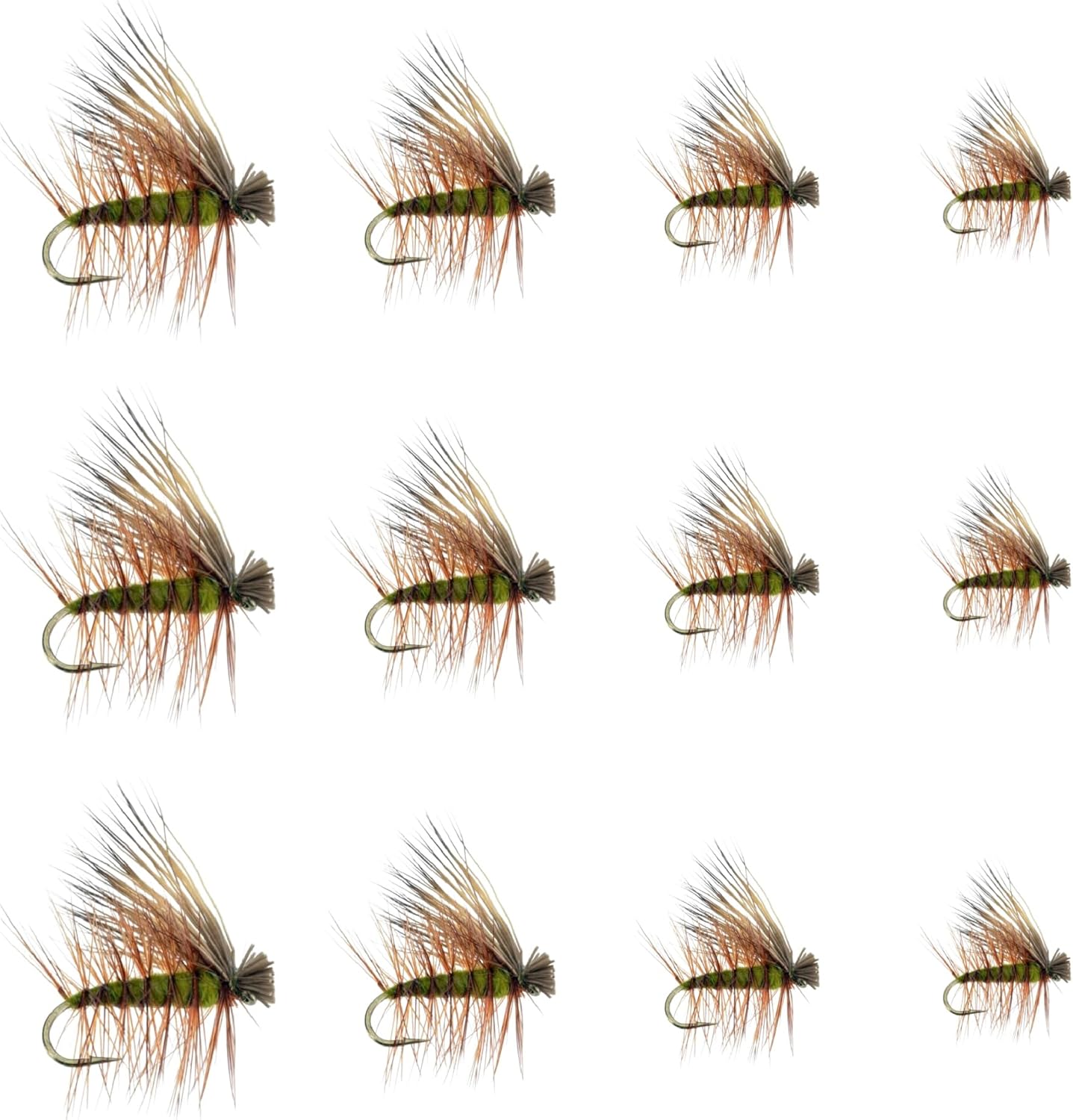
    Elk Hair Caddis (sizes 14–18) — universal dry fly for riffled water. When caddisflies are hatching, this is the fly. Even when they’re not, fish take it anyway.

    Elk Hair Caddis fly

    ➜ Elk Hair Caddis Assortment — Buy on Amazon

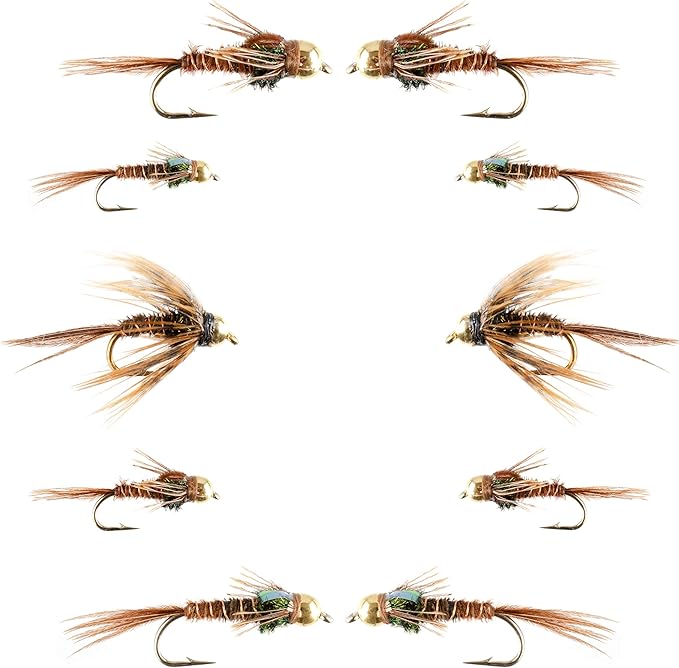
    Pheasant Tail Nymph (sizes 14–18) — the most versatile nymph ever tied. Works year-round on every rainbow stream I’ve ever fished. If I had to pick one fly to take trout fishing anywhere in the country, this would be it.

    Pheasant Tail Nymph

    ➜ Pheasant Tail Nymph Assortment — Buy on Amazon

    Woolly Bugger (sizes 6–10, black and olive) — streamer that produces the largest rainbows. Strip it through deep runs and undercut banks and hold on.

    Woolly Bugger streamer fly

    ➜ Woolly Bugger Assortment — Buy on Amazon

    Spin Fishing

    Spin fishing catches rainbows as well as any method — and on many stocked lakes it catches more fish than fly fishing. A Panther Martin or Mepps spinner retrieved slowly past holding water will produce strikes even when fish aren’t actively feeding.

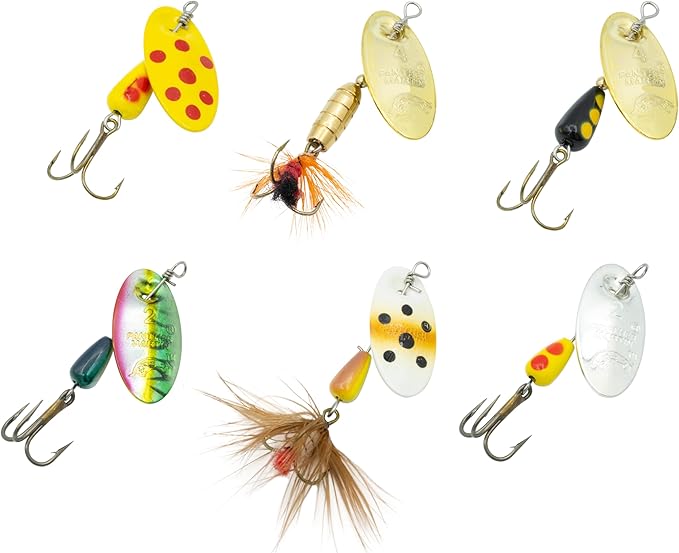
    Panther Martin spinner in sizes 1/16–1/4 oz

    Panther Martin spinner

    ➜ Panther Martin Spinner — Buy on Amazon

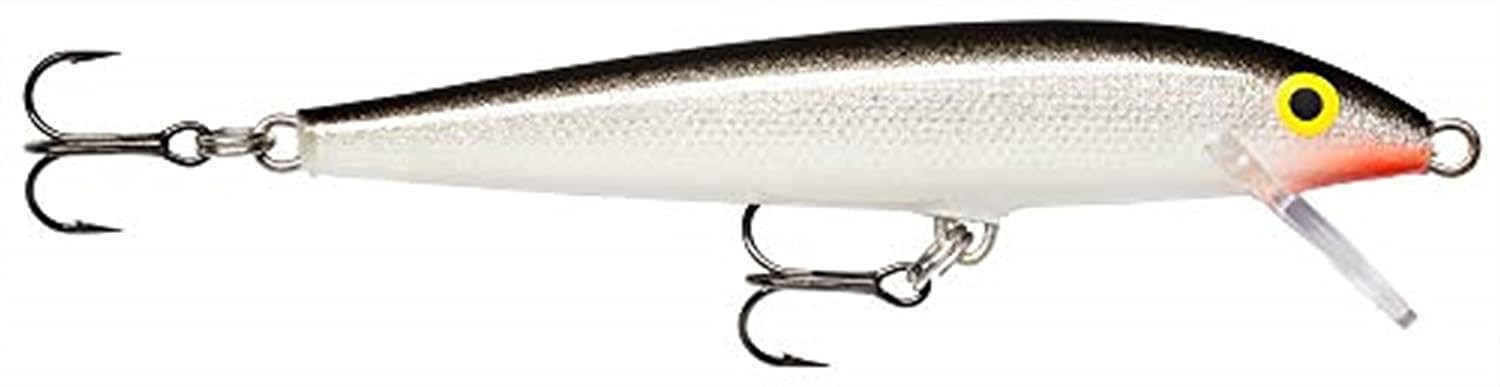
    Rapala Original Floating Minnow F05 — the classic since 1936. Looks like an injured baitfish in the water.

    Rapala Original F05

    ➜ Rapala Original F05 — Buy on Amazon

    Bait Fishing

    For stocked rainbows, PowerBait is the single most effective bait you can use. Engineered specifically to match what hatchery fish are fed, in colors that signal “food” to their conditioned brains. Chartreuse and rainbow are the go-to colors at most SoCal lakes. Big Bear, Dixon, Irvine — PowerBait works at all of them.

    Real talk on PowerBait fishing: it’s effective but it’s not exciting. You cast, set the rod in a holder, and wait. On a cold morning it’s a test of willpower. The payoff is that it catches fish consistently and it’s the best technique for kids who need action to stay engaged. It’s how my daughter Scarlett caught her first trout.

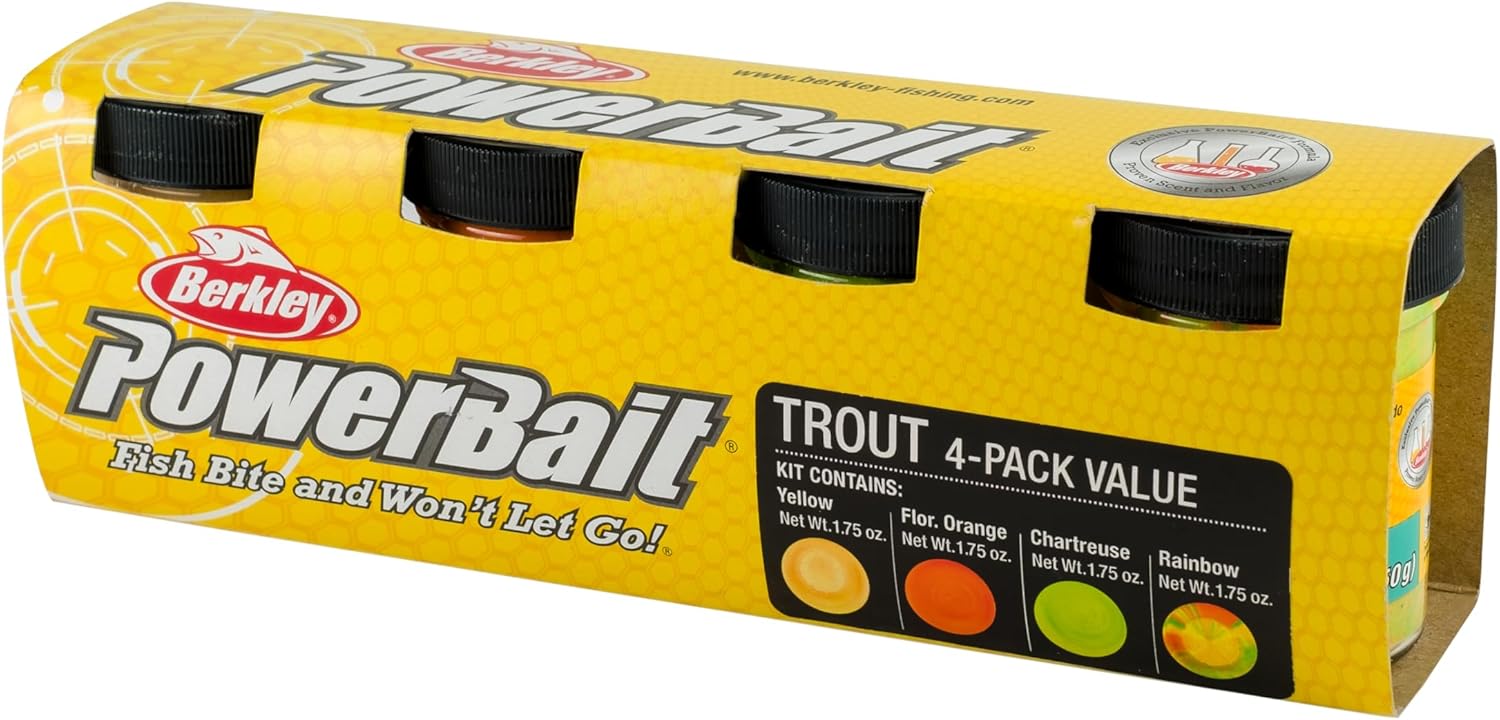
    Berkley PowerBait

    ➜ Berkley PowerBait Rainbow — Buy on Amazon

    Rainbow Trout Gear

    Fly rod: 9-foot, 5-weight is the standard all-around rainbow rod.

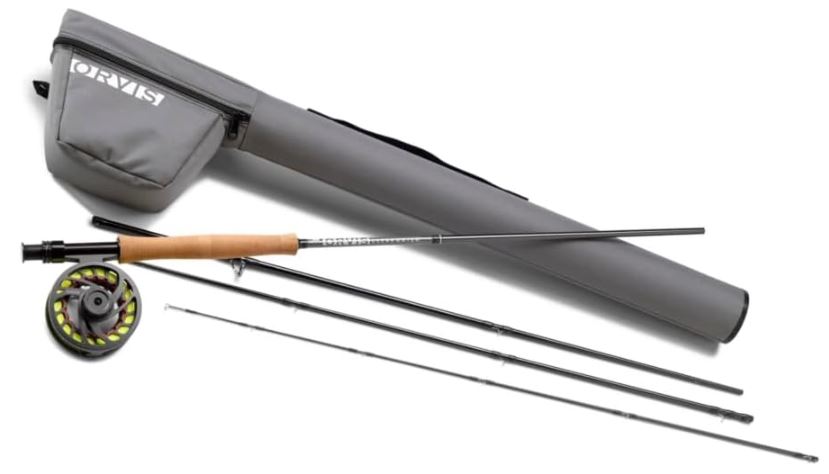
    ➜ Orvis Clearwater 9ft 5wt — Buy on Amazon

    Spinning rod: 6-foot ultralight rated for 2–6 lb line.

    ➜ Ugly Stik Elite 6ft Ultralight — Buy on Amazon

    See our full gear guide for complete recommendations.

    Wild vs. Stocked Rainbows

    A quick honest section that most articles skip. Stocked rainbows and wild rainbows are different fish even though they’re the same species:

    Stocked rainbows:

    • Concrete raceway upbringing, fed pellets their whole lives
    • Aggressive, dumb, eat brightly-colored food items
    • Congregate in predictable spots near stocking trucks
    • Don’t fight as hard as wild fish — soft-bodied, often exhausted quickly
    • Usually don’t survive past their first year in most waters
    • Perfect for learning, for kids, and for keeping to eat

    Wild rainbows:

    • Born in the stream, shaped by natural selection
    • Selective, spooky, match the hatch or don’t eat at all
    • Hold in specific lies, move based on current and food availability
    • Fight significantly harder — pound for pound one of the strongest freshwater fish
    • Should be released in most wild fisheries

    Both are fun to fish for, but they require different approaches. A PowerBait rig that cleans up at Dixon will be largely useless on the Poudre. A size-18 Parachute Adams that fools wild fish will be ignored by stockers who’ve never seen a real bug.

    Plan and Book a Guided Fly Fishing Trip

    If you’re traveling to a big-name trout destination, a guide for your first day is one of the best investments in fishing. They know the water, the current hatch, and the productive lies — you’ll catch more fish in one day with a good guide than in several days fumbling around on your own.

    ➜ Search Guided Fishing Trips — Viator

    Frequently Asked Questions

    What size rainbow trout is a trophy?

    Depends on the water. In most rivers, over 20 inches is notable. In premium tailwaters and reservoirs, 24+ inches is a trophy. In Alaska, rainbows over 28 inches are the target fish — anything smaller is an appetizer.

    What’s the best bait for rainbow trout?

    PowerBait for stocked fish. Live worms, salmon eggs, or small spinners for wild fish. In rivers, small nymphs and dry flies outperform all bait methods for wild rainbows.

    When is the best time to fish for rainbows?

    Early morning and late evening are consistently the most productive periods. Midday can be slow except during active hatches. Spring and fall are the peak seasons; summer can be tough when water warms above 68°F.

    Do rainbows eat at night?

    Less than browns do, but some nighttime feeding occurs, especially in summer when days are hot. Dawn and dusk are generally better than full dark for rainbows.

    Why are my stocked rainbows skinny and beaten up?

    Hatchery fish that have been in a lake or stream for several weeks have lost their pellet-food weight and haven’t fully adapted to wild food. They’ll fatten up over time if they survive. The prettiest stocked rainbows are usually the freshly-stocked ones or ones that have been in the wild for months.


    Related Guides


    About the Author

    By Kenny — SoCal angler who learned trout fishing during college years in Fort Collins, Colorado (Poudre, Horsetooth, Estes Park) and now fishes the Sierras and SoCal lakes with my daughter Scarlett. No steelhead or salmon yet, and no ice fishing — those are on the list.

  • Trout Fishing Regulations: What Every Angler Needs to Know

    Trout Fishing Regulations: What Every Angler Needs to Know

    Trout fishing regulations exist to protect fish populations and ensure quality fishing for the future. Violations — even accidental ones — can result in significant fines, and in some cases federal charges (for protected species). Understanding regulations isn’t optional. It’s part of being a responsible angler.

    Regulations also vary enormously. The rules on the Cache la Poudre in Colorado are different from the rules on the Madison in Montana, which are different from the rules on a SoCal stocked pond, which are different from a Yellowstone National Park stream. This article covers the general categories and how to find specifics for wherever you’re fishing.

    Types of Regulations

    Season and Bag Limits

    Most states have a general trout season with specific open and closed periods based on spawning cycles. Daily bag limits vary by water:

    • General stocked waters: Commonly 5 fish per day, no minimum size
    • Standard stream regulations: 2–4 fish per day with minimum size limits (often 8–12 inches)
    • Trophy waters: 1–2 fish per day with high minimum size (15–20+ inches)
    • Catch-and-release only: 0 fish retained; all caught fish released

    Bag limits also sometimes include an aggregate rule — for example, 5 trout total with no more than 2 over 16 inches. Read carefully.

    Special Regulations Waters

    Many of the best trout waters in the country have special regulations designed to produce quality fishing. Common variants:

    • Catch-and-release only: No harvest. All fish must be released immediately.
    • Artificial lures only: No bait — flies and lures only. Reduces mortality from swallowed hooks.
    • Single barbless hook only: Reduces injury to released fish and makes hook removal easier.
    • Trophy trout regulations: High minimum size limits (15–20 inches) to protect large fish from harvest.
    • Slot limits: Keep fish below or above a certain size range, release fish within it. Protects spawning-size fish.
    • Seasonal closures: Some waters close during spawning to protect reproducing fish.

    Signs at access points usually list the special regulations for that specific water. When in doubt, assume the stricter rule applies.

    National Park Regulations

    Fishing in National Parks requires a valid state fishing license AND compliance with park-specific regulations. A few notable cases:

    • Yellowstone National Park: Requires a separate Yellowstone fishing permit. All native cutthroat are catch-and-release only.
    • Great Smoky Mountains National Park: Special regulations including artificial lures only on many streams.
    • Rocky Mountain National Park: Catch-and-release for greenback cutthroat; other species regulated per state law within the park.
    • Grand Teton National Park: State Wyoming regulations apply; Snake River cutthroat catch-and-release.

    Park regulations change — always check the current rules at a visitor center before fishing. The free fishing booklets at any park ranger station are the most authoritative source.

    Protected Species

    Several species are federally protected. Catching and keeping them — even by accident — can result in major fines. Know how to identify these before you fish waters where they occur:

    • Bull trout — federally threatened. Found in Montana, Idaho, Washington, Oregon. Resembles brook trout but lacks the vermiculation. Release immediately.
    • Greenback cutthroat — Colorado’s state fish, federally threatened. Limited to specific waters in the South Platte drainage.
    • Paiute cutthroat — California, federally threatened. Limited range in the Carson River headwaters.
    • Apache trout — Arizona, threatened. Some waters open for catch-and-release.
    • Gila trout — Arizona and New Mexico, threatened.

    If you’re not 100% sure of the species you’ve caught in water where protected species might occur, release it. The angler who accidentally keeps a bull trout and ends up explaining themselves to a federal wildlife officer is having a very bad day.

    Licenses and Stamps

    Beyond a basic fishing license, many states require additional permits for trout-specific fishing:

    • Trout stamp: Required in many states in addition to a general license. Funds hatchery operations.
    • Two-pole permit: Fishing with two rods simultaneously often requires an additional endorsement.
    • Youth licenses: Many states offer free or discounted licenses for kids under a certain age.
    • Non-resident licenses: Typically cost 3–5x a resident license. Short-term (1-day, 3-day, 7-day) options are usually available for travelers.

    See our trout fishing license guide for state-by-state requirements.

    How to Find Your State’s Regulations

    • State fish and wildlife agency website — free PDF download, always the most current
    • License vendors (sporting goods stores) — printed booklets available where licenses are sold
    • Mobile apps — most state agencies have an app that includes current regulations
    • Always check the specific water body, not just general statewide rules. That’s where most people get caught out.

    Regulation Changes

    Regulations change regularly. New special regulation waters are added each year. Stream closures in response to drought or low flow can happen mid-season. Check the current year’s regulations every season — don’t rely on what you remember from last year.

    During drought years, many western states implement “hoot-owl” restrictions that prohibit afternoon fishing when water temperatures rise above 70°F. These are often announced on short notice and apply to specific river reaches. Following your state agency’s social media or email list catches these alerts in real time.

    Ethics Beyond Regulations

    Regulations are the legal minimum. Ethical trout fishing often means doing more:

    • Release wild fish even where harvest is legal, especially large spawning-age fish
    • Don’t fish in water above 68°F — stress kills trout even after catch-and-release
    • Wet your hands before handling fish, keep them in the water as much as possible, minimize air exposure
    • Use barbless hooks (or crush the barb with pliers) to reduce injury
    • Don’t fish spawning redds — identifiable as lighter-colored oval gravel depressions in shallow water
    • Pack out all trash, including tippet scraps and split shot

    Good anglers protect the resource. The next generation of trout fishing depends on it.

    Frequently Asked Questions

    Are trout regulations the same on all waters in a state?

    No. Statewide general regulations apply to most waters, but specific streams and lakes often carry additional special regulations. Always check the specific water you plan to fish.

    What happens if I accidentally catch a bull trout or other protected species?

    Release it immediately and carefully. Accidental catch of a protected species is not a violation as long as the fish is released promptly and unharmed. Keeping one, even accidentally, is a serious violation.

    Do I need a license to fish private property?

    Yes, in virtually every state. Private property ownership doesn’t exempt fishing license requirements.

    What’s the difference between catch-and-release and trophy regulations?

    Catch-and-release waters require all fish to be released. Trophy regulations typically allow limited harvest of fish above a high minimum size (often 18–20 inches), protecting the majority of the population while allowing occasional keeper fish.

    Can I keep trout from a hatchery-supported water?

    Usually yes — that’s often the point. Stocked ponds and heavily stocked rivers are managed for harvest. The stocked fish aren’t going to reproduce successfully anyway in most cases.


    Related Guides


    About the Author

    By Kenny — SoCal angler who learned trout fishing during college years in Fort Collins, Colorado (Poudre, Horsetooth, Estes Park) and now fishes the Sierras and SoCal lakes with my daughter Scarlett. No steelhead or salmon yet, and no ice fishing — those are on the list.
  • Best Trout Fishing Destinations in the US: Top Rivers & Lakes

    Best Trout Fishing Destinations in the US: Top Rivers & Lakes

    The United States has more quality trout water than any other country. Narrowing down the best destinations is genuinely difficult — every region has its stars, and a trophy river for one angler is another’s “pretty good but I’ve seen better.” What follows is an honest guide weighted toward fish quality, public access, and overall experience.

    I’ll be straight about where I’ve fished and where I haven’t. I spent my college years in Fort Collins and fished the Colorado Front Range seriously — Horsetooth, the Poudre, the streams around Estes Park. I’ve fished the Kern River and Lake Isabella in the Sierras, and grew up fishing the SoCal stocked lakes. The more famous destinations below — Yellowstone, Montana, Alaska, the PNW — I know from research, angling friends, and a long want-to-fish list. Bylines in the individual guides will tell you which is which.

    Yellowstone National Park — Wyoming/Montana/Idaho

    The crown jewel of American fly fishing. Native cutthroat trout in iconic western scenery, and some of the most protected water on the continent. The Yellowstone River, Slough Creek, Firehole, and Madison are all world-class, and every fish is catch-and-release. The Park itself requires a separate fishing permit in addition to any state license.

    Peak season is July through September after the snowmelt runoff clears. Spring comes late at elevation. Fall brings the famous Lamar Valley cutthroat fishing before the park closes for winter. See our full Yellowstone fishing guide.

    Montana

    More world-class trout rivers per mile than anywhere else in the US. The Madison, Bighorn, Missouri, Gallatin, and Bitterroot are names every fly angler knows. The Bighorn tailwater consistently produces the largest average-size trout of any river in the country — 18-inch rainbows and browns are common, and 20+ inch fish don’t raise many eyebrows.

    If you’re planning a trout fishing trip of a lifetime, Montana is the most concentrated mix of great water, guide infrastructure, and reasonable access. June through September is the main season; May and October can be outstanding with fewer people. See our full Montana fishing guide.

    Colorado

    This is the one I can speak to personally. I lived in Fort Collins through college and fished all over the Front Range. A few real notes:

    Cache la Poudre River (the Poudre): Runs right out of Rocky Mountain National Park through Fort Collins. The upper reaches hold wild browns and some rainbows; it’s classic pocket water fishing with dry flies and small nymphs. The North Fork is slower and holds bigger browns. Cold water year-round — even in August the water below the canyon feels like it just came off a glacier. Waders aren’t optional before June.

    Horsetooth Reservoir: Fort Collins’s big reservoir. Warmer fishery — smallmouth bass, walleye, and pike share the water with rainbow and lake trout. Not a pure trout destination but a legitimate one, and the trout grow big. Good trolling water in the summer.

    Estes Park area streams: Small high-country creeks holding brook trout and cutthroat in Rocky Mountain National Park. This is where you learn how small a creek can be and still produce a 10-inch fish. I had some of my most memorable trout fishing days on water you could step across.

    Beyond the Front Range, Colorado has Gold Medal tailwaters like the South Platte at Deckers, the Frying Pan near Basalt, and the Arkansas below Salida. Year-round fishing in many places thanks to tailwater temperature control. See our full Colorado fishing guide.

    California

    The other state I know firsthand. California’s trout fishing is underrated because the saltwater and bass get most of the attention, but the Sierra Nevada has extraordinary high-country trout water and SoCal’s stocked lakes are a legitimate fishery for casual and family anglers.

    Kern River: The upper Kern holds wild rainbows (including the endemic Kern River rainbow subspecies) in a remote canyon. The lower Kern is a tailwater out of Lake Isabella. Both fishable; the upper reaches require more effort and reward it.

    Lake Isabella: Reservoir rainbows, plus some browns. Good trolling water in summer when fish go deep. Takes some hours to drive to from LA but worth it for the scenery alone.

    Eastern Sierra: Crowley, the Mammoth lakes basin, June Lake, Bishop creek, Lower Owens. I haven’t personally fished the Eastern Sierra as much as I’d like — it’s high on my list for the next couple of seasons.

    SoCal stocked lakes: Dixon, Big Bear, Irvine Lake, Silverwood, and others. Not trophy water, but they’re how most SoCal anglers (including me) got started on trout. Winter and spring are best when the DFW stocks heavily; summer heat pushes fish deep or kills the bite entirely. See our full California fishing guide.

    Pacific Northwest — Washington and Oregon

    The home of steelhead. The Deschutes, Rogue, Skagit, and Hoh are iconic rivers for summer and winter steelhead runs. Sea-run cutthroat in coastal streams add another dimension. Resident rainbow and cutthroat fishing in both states is excellent if underappreciated.

    Haven’t fished the PNW personally — this is on my list specifically for a summer steelhead trip. The Deschutes with a spey rod is the fishing experience I most want to try that I haven’t yet. See our full Pacific Northwest fishing guide.

    Alaska

    The ultimate bucket-list trout destination. Rainbow trout in Bristol Bay grow to 30+ inches feeding on salmon eggs and flesh during the salmon runs. Remote, expensive to access (most fishing requires flying in on a float plane), and worth it if it’s in your budget.

    Dream trip, not done yet. Would happily spend a week on the Kvichak or Alagnak someday. See our full Alaska fishing guide.

    Great Smoky Mountains — Tennessee/North Carolina

    The best native brook trout fishing in the eastern US. Hundreds of miles of protected mountain streams with self-sustaining wild fish. Small water, small fish for the most part, but an experience in pure native trout country you can’t get anywhere else. See our full Great Smoky Mountains guide.

    Great Lakes Steelhead

    World-class steelhead runs on tributaries from Michigan to New York. The Salmon River (NY), Pere Marquette (MI), and Muskegon (MI) rival the best Pacific Coast rivers when runs are on. Fall and spring runs are peak. For anglers who can’t make the PNW trip, Great Lakes steelhead is the realistic substitute — and by some measures the fish are just as good. See our full Great Lakes steelhead guide.

    Honorable Mentions

    The destinations above get the most attention, but a lot of great trout water doesn’t make the famous lists:

    • Driftless Area (Wisconsin/Minnesota/Iowa) — spring creek trout fishing in the Midwest that rivals anywhere
    • Pennsylvania limestone creeks — Spring Creek, Penns Creek, Letort — legendary eastern spring creek water
    • Arkansas White River tailwaters — enormous browns in a southern setting
    • Idaho — Henry’s Fork and Silver Creek — technical spring creek fishing
    • Wyoming — North Platte, Miracle Mile — less-pressured than Montana, excellent fish

    Plan Your Trip


    Related Guides


    About the Author

    By Kenny — SoCal angler who learned trout fishing during college years in Fort Collins, Colorado (Poudre, Horsetooth, Estes Park) and now fishes the Sierras and SoCal lakes with my daughter Scarlett. No steelhead or salmon yet, and no ice fishing — those are on the list.

  • Best Trout Fishing Gear Guide: Rods, Reels, Lures & More

    Best Trout Fishing Gear Guide: Rods, Reels, Lures & More

    You don’t need expensive gear to catch trout. A kid with an Ugly Stik and a jar of PowerBait at a stocked lake will catch plenty of fish. But the right gear makes trout fishing easier, more effective, and — honestly — a lot more fun. A quality fly rod loads and casts predictably. A good spinning reel doesn’t bind up in the cold. Decent waders mean you can fish all day instead of quitting when your feet get numb.

    I’ve used enough cheap gear to know when skimping is fine and when it’s a mistake. Over the years fishing the Poudre in Colorado, the Kern in California, and dozens of SoCal stocked lakes, some patterns emerged. Below is what actually matters, what you can get away with cheap, and where it’s worth spending real money.

    Fly Fishing Gear

    This is where quality matters most. Cheap fly rods cast poorly, frustrate beginners, and send a lot of people back to spinning gear before they ever give fly fishing a real chance. If you’re serious about getting into fly fishing, my honest advice is to spend the money on a decent starter setup. You’ll enjoy the process more and you’ll stick with it.

    Fly Rods

    The 9-foot, 5-weight fly rod is the standard all-around trout rod. It handles dry flies, nymphs, and light streamers on most trout water from small streams to medium-sized rivers. If you’re buying one rod to cover most trout fishing situations, this is it.

    Best budget fly rod: The Redington Crosswater is the go-to for beginners. Decent action, durable, and inexpensive enough that you won’t cry if you break it on your first wade down a rocky creek. It won’t feel like a premium rod, but it’ll catch fish and get you through the learning curve.

    Redington Crosswater fly rod

    Redington Crosswater 9ft 5wt

    ➜ Buy on Amazon

    Best mid-range fly rod: The Orvis Clearwater is where I’d actually start if you can swing the price. It’s the sweet spot between cost and performance — a genuine fishing tool that won’t hold you back as your skills develop. Most anglers I know who started with a Clearwater are still using it five years later.

    Orvis Clearwater fly rod

    Orvis Clearwater 9ft 5wt

    ➜ Buy on Amazon

    Best premium fly rod: The Winston AIR is what you buy when you’ve been fishing long enough to know exactly what you want. The difference from a mid-range rod is in feel, casting precision, and longevity — not necessary for most fishing but deeply satisfying when you’ve earned the ability to appreciate it.

    Winston AIR fly rod

    Winston AIR

    ➜ Buy on Amazon

    Rod weights for specific situations:

    • 2–3 weight: Small streams, tiny flies, brook trout and small rainbows — I’ve fished brook trout water in Colorado where a 5-weight feels like overkill
    • 4–5 weight: Standard all-around trout weight — covers most situations
    • 6–7 weight: Streamers, large rivers, single-hand steelhead
    • 8–10 weight (spey): Steelhead and large river swinging — different rod entirely

    Fly Reels

    Real talk: for most trout fishing, the reel is a line storage device. Trout rarely run far enough to get into your backing. That said, a smooth drag matters when you hook a big fish in fast water, and a decent reel is a one-time purchase that lasts forever.

    Best budget reel:

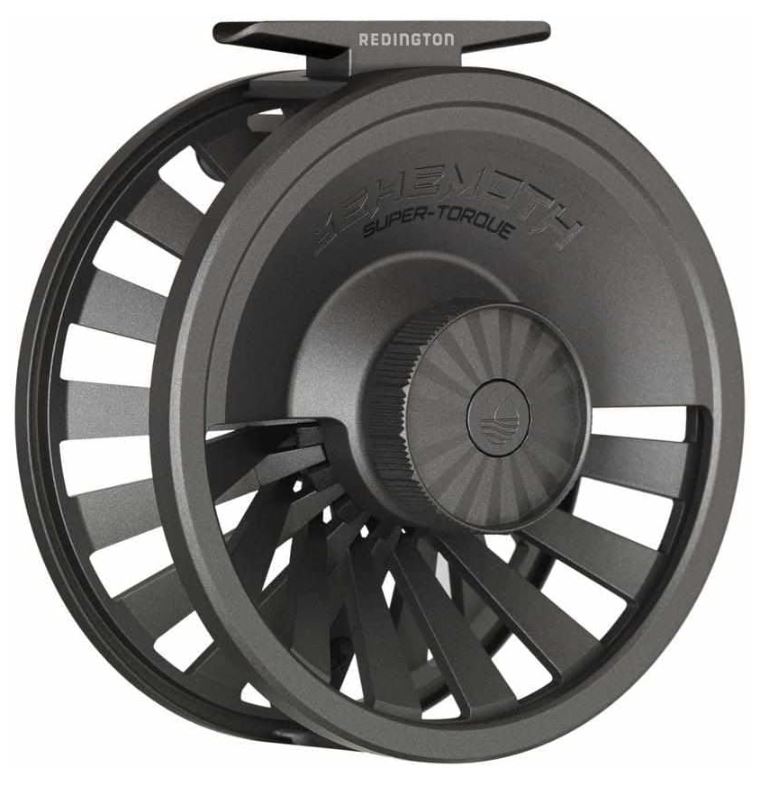
    Redington Behemoth fly reel

    Redington Behemoth Fly Reel

    ➜ Buy on Amazon

    Best mid-range reel:

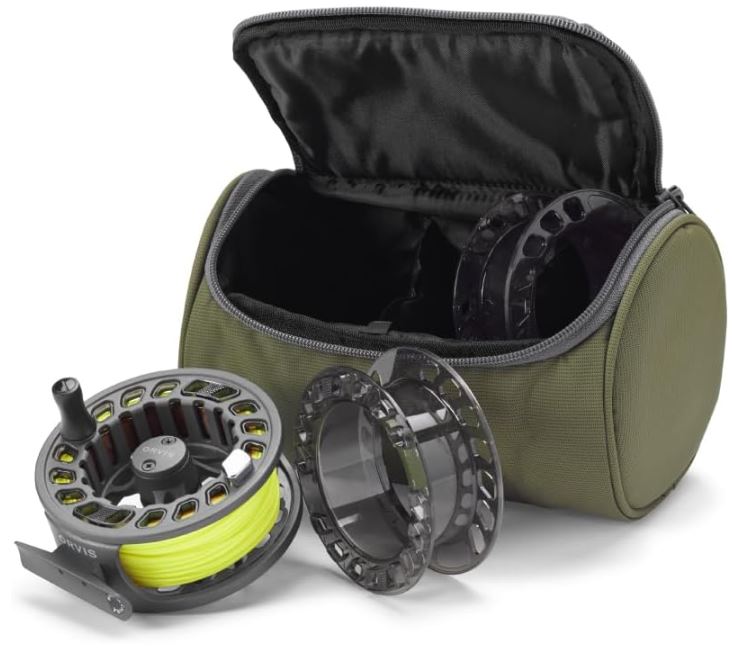
    Orvis Clearwater fly reel

    Orvis Clearwater Large Arbor Reel

    ➜ Buy on Amazon

    Fly Line and Leader

    A piece of advice that took me longer than it should have to learn: quality fly line matters more than a quality rod. A great rod with cheap line casts poorly. A mid-range rod with great line casts well. If you’re budget-constrained, save money on the rod, not the line.

    Weight-forward floating line in the matching rod weight covers 90% of trout fishing situations. Match to your rod weight exactly — a 5-weight rod needs 5-weight line.

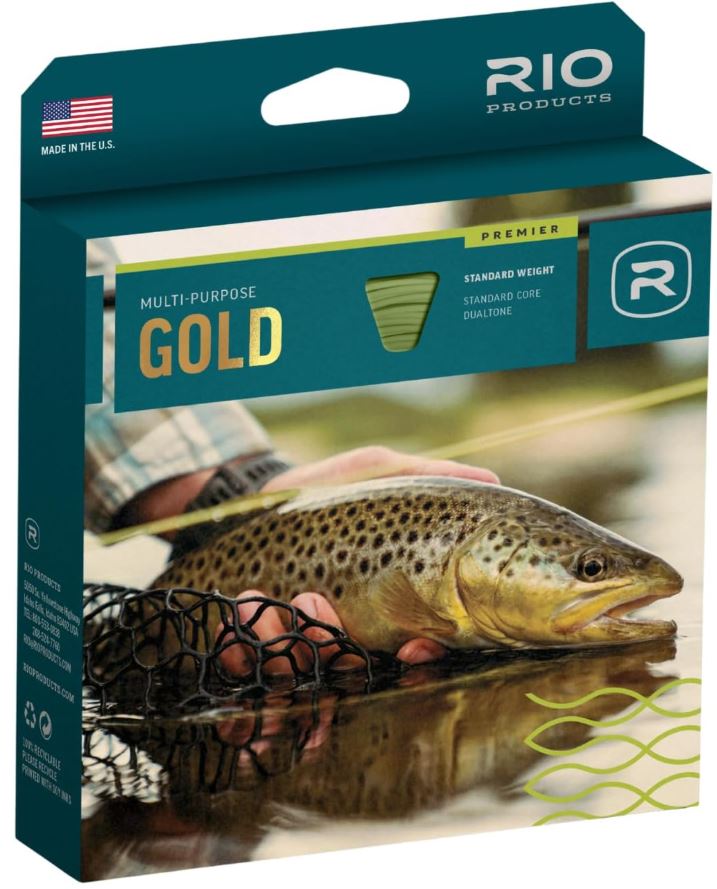
    Rio InTouch Gold fly line

    Rio InTouch Gold WF5F Fly Line

    ➜ Buy on Amazon

    Tippet material: 5X (about 4.75 lb) for most dry fly and nymph situations. Go to 4X for larger nymphs and streamers; 6X or 7X for tiny dry flies in clear, calm water.

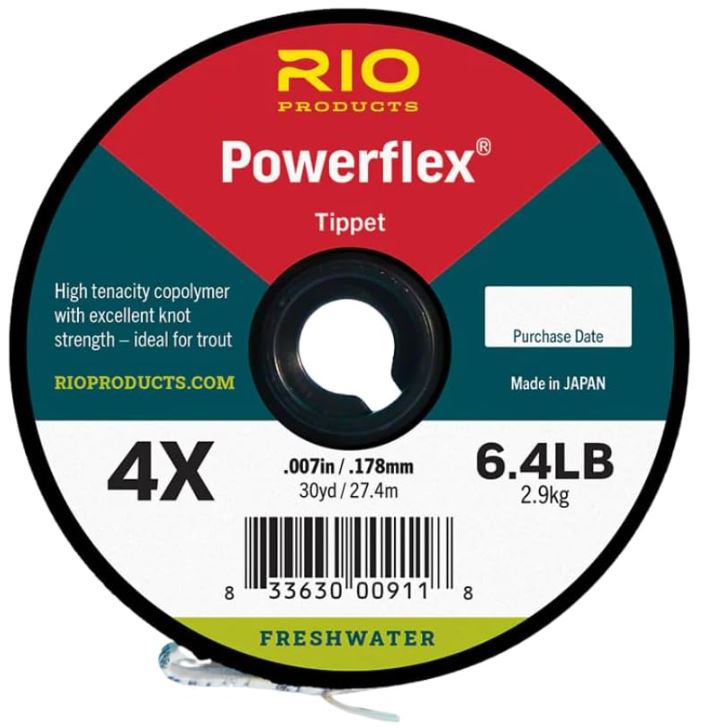
    Rio Powerflex tippet

    Rio Powerflex Tippet 4X

    ➜ Buy on Amazon

    Essential Flies

    You don’t need hundreds of fly patterns. You need 10, in the right sizes, that match the hatches on the water you’re fishing. These cover the vast majority of trout fishing situations in North America:

    Dry Flies:

    • Elk Hair Caddis (sizes 14–18) — imitates caddisflies, works everywhere
    • Parachute Adams (sizes 14–18) — the universal dry fly; imitates a variety of mayflies
    • Stimulator (sizes 10–14) — large attractor dry for riffled water; great on meadow streams
    • Chernobyl Ant / Hopper (sizes 8–12) — summer terrestrial for banks and meadow reaches

    Nymphs:

    • Pheasant Tail Nymph (sizes 14–18) — the most universally effective nymph ever tied
    • Hare’s Ear Nymph (sizes 12–16) — general attractor nymph; works year-round
    • Copper John (sizes 14–18) — fast-sinking, visible in the drift; excellent under an indicator
    • San Juan Worm (sizes 12–16) — looks simple but is deadly on tailwaters and after rain

    Streamers:

    • Woolly Bugger (sizes 6–10, black and olive) — the most versatile wet fly ever created
    • Muddler Minnow (sizes 6–10) — imitates small fish and sculpins; deadly on large browns

    ➜ Dry Fly Assortment — Buy on Amazon

    ➜ Nymph Assortment — Buy on Amazon

    ➜ Woolly Bugger Assortment — Buy on Amazon

    Waders and Wading Boots

    Waders are one of the places people try to go cheap and regret it. Leaky waders on a cold river ruin the day. My first time wading the North Poudre in early season I was genuinely shocked at how cold 45°F water feels — you lose dexterity in your feet within minutes. Quality breathable waders plus proper layers underneath mean you can fish a full day comfortably. Cheap waders mean quitting at lunch.

    Best budget waders:

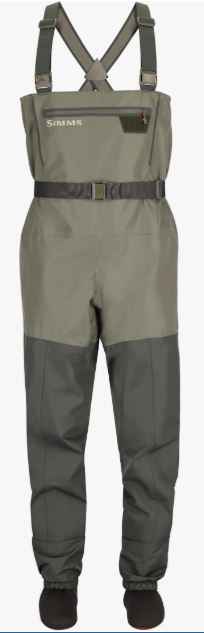
    Simms Tributary waders

    Simms Tributary Waders

    ➜ Buy on Amazon

    Best mid-range waders:

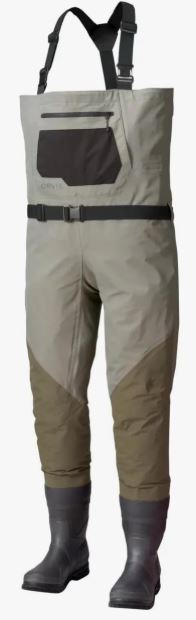
    Orvis waders

    Orvis Waders

    ➜ Buy on Amazon

    Wading boots: Felt soles are the most secure on slippery rocks but are banned on some rivers because they can transport invasive species and fish pathogens between watersheds. Rubber studded soles are the safe default — they grip well and are legal everywhere.

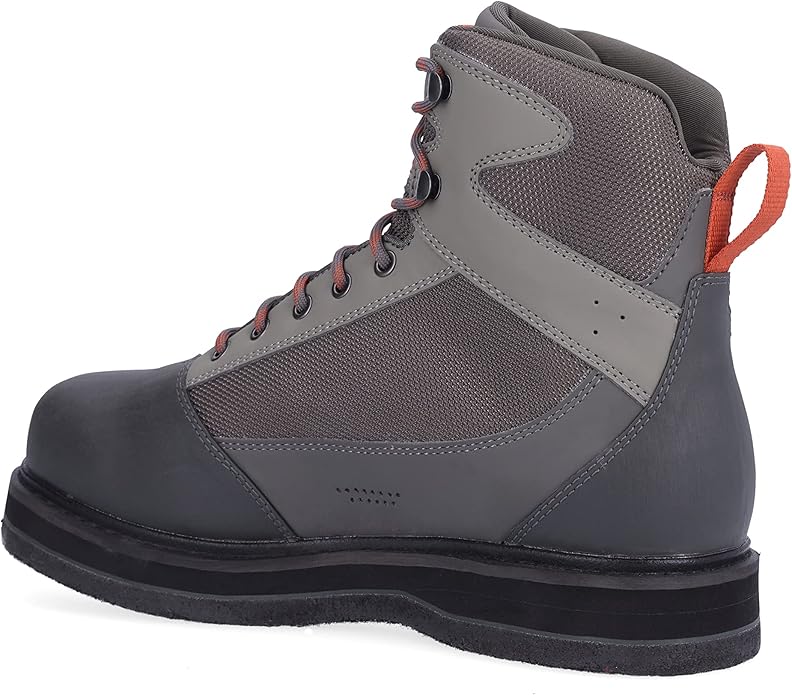
    Simms Tributary wading boots

    Simms Tributary Wading Boots

    ➜ Buy on Amazon

    Spin Fishing Gear

    Spinning gear is where you can save money without giving up anything important. Trout don’t care what your rod costs. A well-chosen ultralight setup under $100 will catch the same fish as a $400 high-end rig.

    Spinning Rods and Reels

    A 6–7 foot light spinning rod rated for 2–6 lb line with a 1000–2500 size reel covers virtually all trout spin fishing. Ultralight gear maximizes the fight from small-to-medium trout and improves casting distance and accuracy with light lures.

    Best ultralight spinning combo:

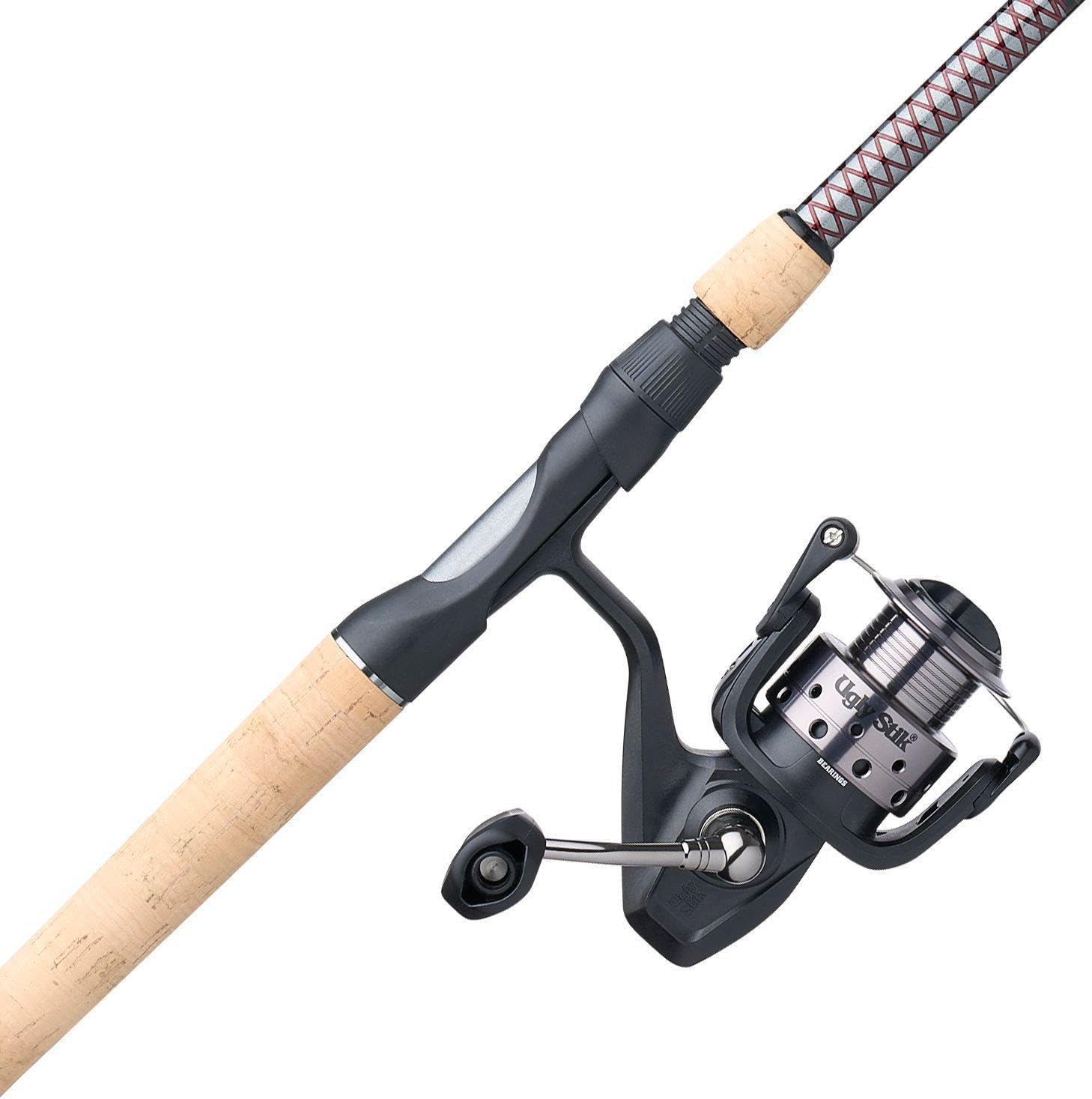
    Ugly Stik Elite ultralight spinning rod

    Ugly Stik Elite 6ft Ultralight

    ➜ Buy on Amazon

    Reliable spinning reel:

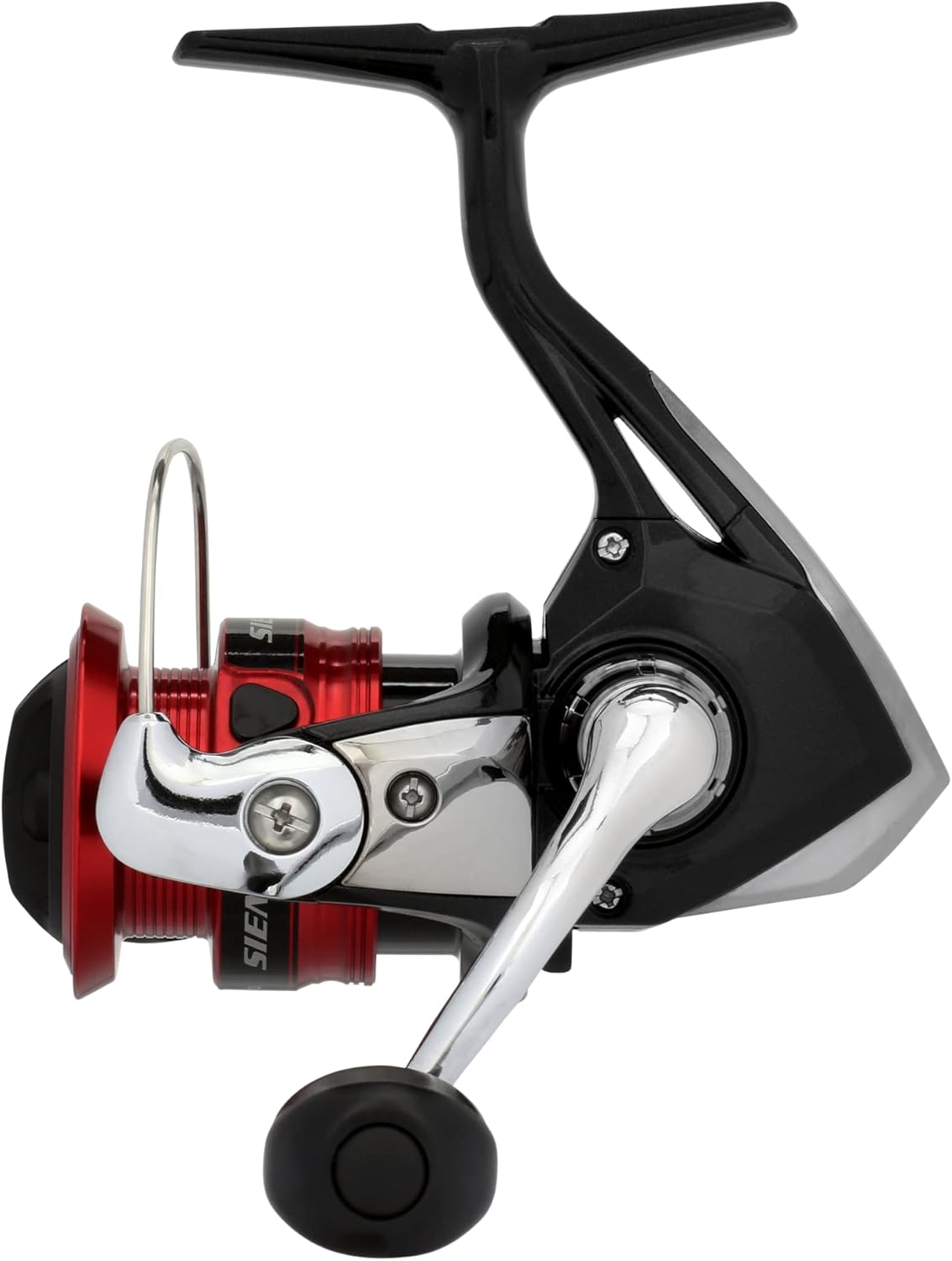
    Shimano Sienna spinning reel

    Shimano Sienna 1000 Spinning Reel

    ➜ Buy on Amazon

    Fishing Line for Trout

    4–6 lb monofilament is the standard. Clear or low-visibility line in trout-friendly colors (green, clear) outperforms high-vis options in the clear water trout usually live in.

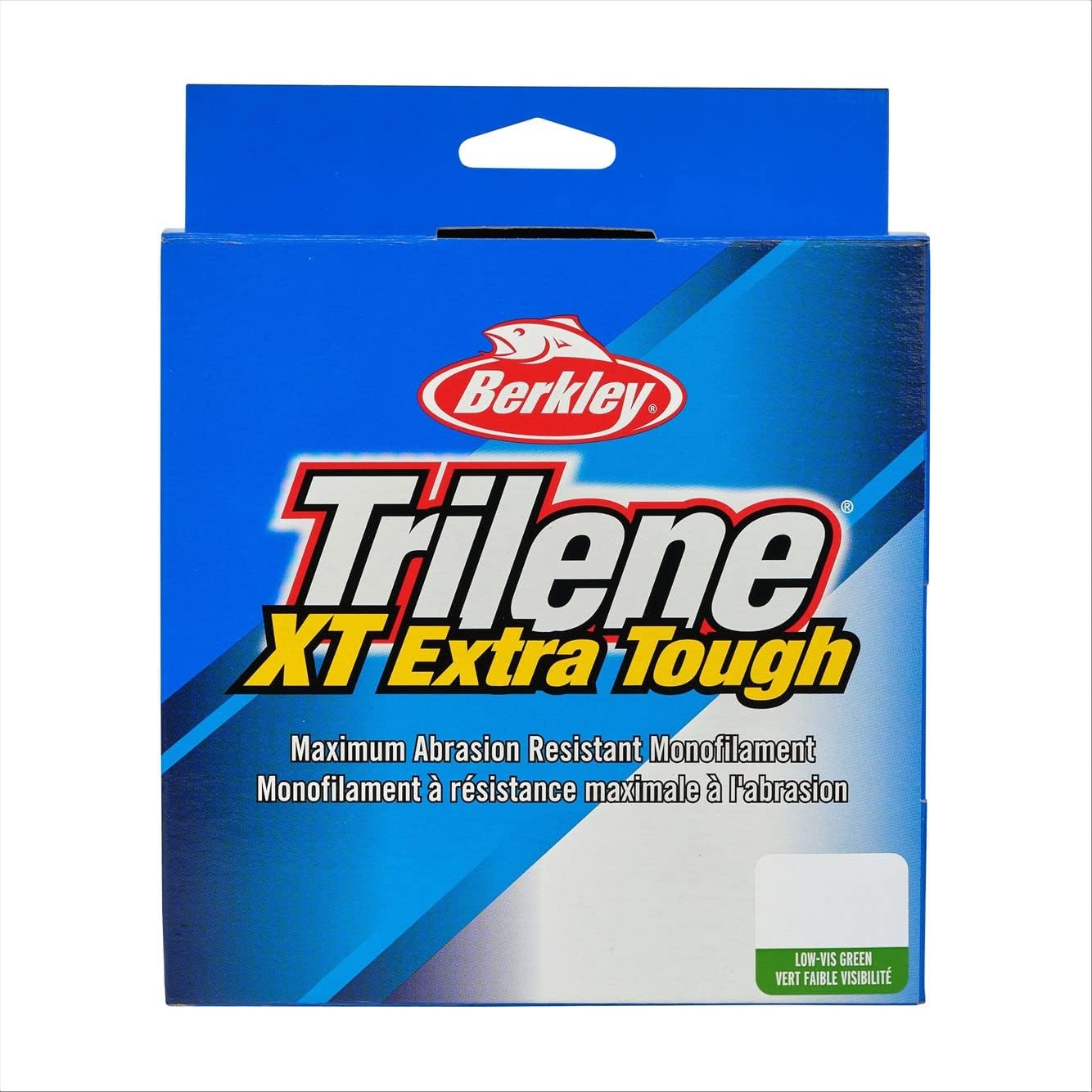
    Berkley Trilene XL monofilament

    Berkley Trilene XL 4lb Monofilament

    ➜ Buy on Amazon

    Best Trout Lures for Spin Fishing

    Spinners — the most versatile trout lure:

    Panther Martin spinners in sizes 1/16 to 1/4 oz are consistently among the top trout producers in moving water. The blade creates flash and vibration that triggers strikes even from fish that aren’t actively feeding. My go-to for any new stream.

    Panther Martin spinner

    Panther Martin Spinner Assortment

    ➜ Buy on Amazon

    Mepps Aglia in sizes 0–2 are equally effective — the #1 trout lure worldwide by many measures. Gold blade with brown squirrel tail is the classic color and hasn’t been beaten in 80 years.

    Mepps Aglia spinner

    Mepps Aglia Spinner Size 1

    ➜ Buy on Amazon

    Floating minnow plugs:

    The Rapala Original Floating Minnow in sizes F05-07 has been catching trout since 1936. The tight wobble at slow retrieve imitates an injured baitfish perfectly.

    Rapala Original Floating Minnow

    Rapala Original Floating Minnow F05

    ➜ Buy on Amazon

    Small spoons:

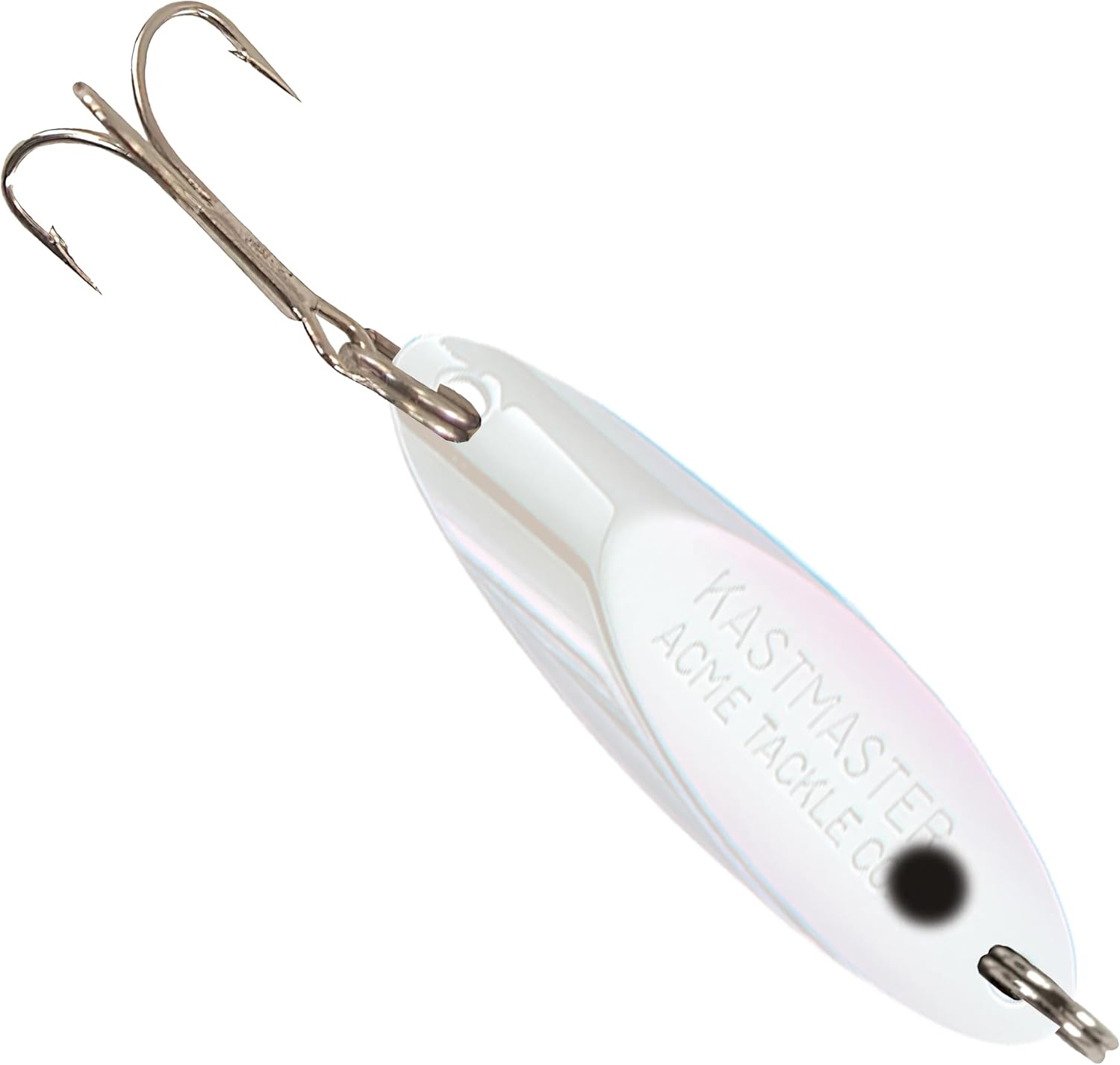
    Kastmaster spoons in 1/8 to 1/4 oz cast a mile and produce well in both rivers and lakes. Great choice when fish are holding deeper or when you need to reach fish across open water.

    Kastmaster spoon

    Kastmaster Spoon 1/8oz

    ➜ Buy on Amazon

    Bait Fishing Gear

    PowerBait and Stocked Trout Setup

    PowerBait is the most effective bait for hatchery-raised trout — designed specifically to match what fish are fed in the hatchery. The dough floats off the bottom on the hook, exactly where stockers expect food.

    Quick honest note: PowerBait works, but it’s the most boring way to fish. You cast, set the rod in a holder, and wait. On a cold morning at Big Bear or Dixon, it can be a test of patience. The payoff is that it catches stockers consistently and it’s the best technique for fishing with kids who need action to stay engaged. My daughter Scarlett’s first trout came on a size-14 hook with a chartreuse PowerBait glob at Dixon.

    Berkley PowerBait trout bait

    Berkley PowerBait Chartreuse Glitter

    ➜ Buy on Amazon

    Slide a small foam ball or PowerBait directly on the hook, add a split shot 12–18 inches up the line, and cast to deep, still areas near structure. See our full PowerBait guide.

    Hooks for bait fishing: Size 10–14 bait hooks or egg hooks.

    Gamakatsu Baitholder Hooks

    Gamakatsu Baitholder Hooks

    ➜ Buy on Amazon

    Accessories and Tools

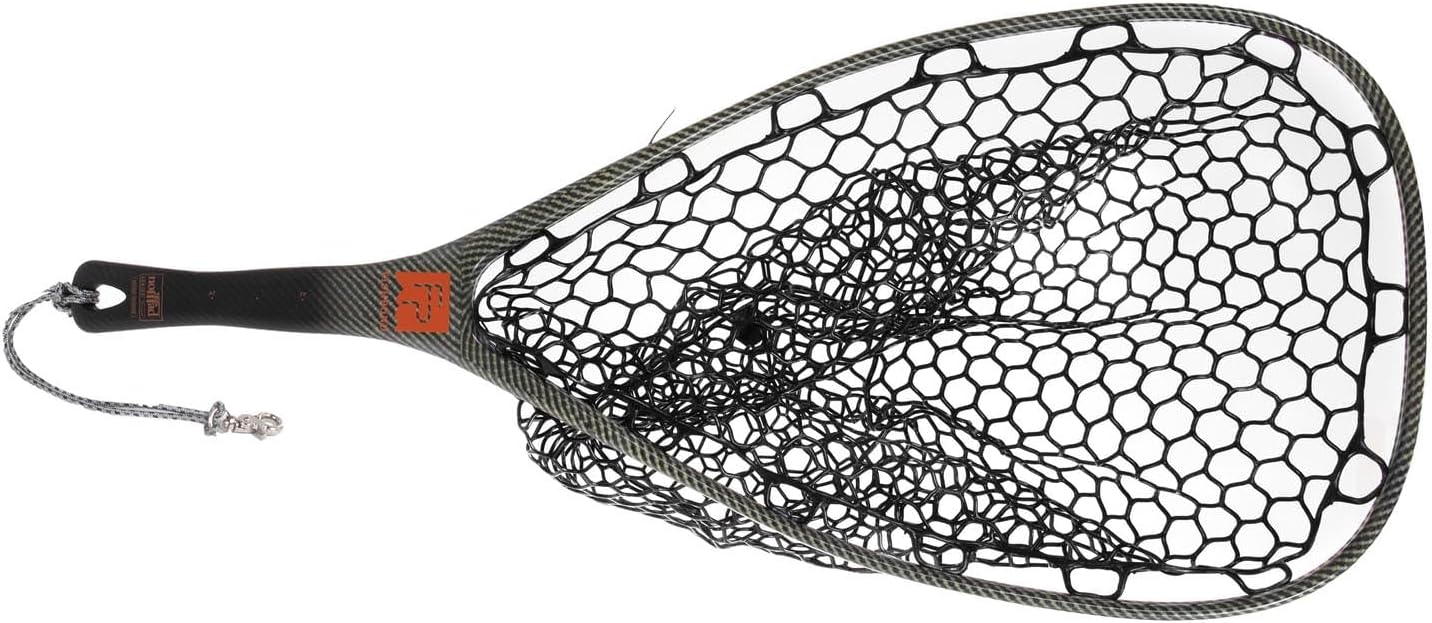
    Fishing net: A rubber mesh net protects fish during catch-and-release. Essential for fly fishing; useful even for bait fishing if you’re releasing your catch.

    Fishpond rubber mesh trout net

    Fishpond Nomad Hand Net

    ➜ Buy on Amazon

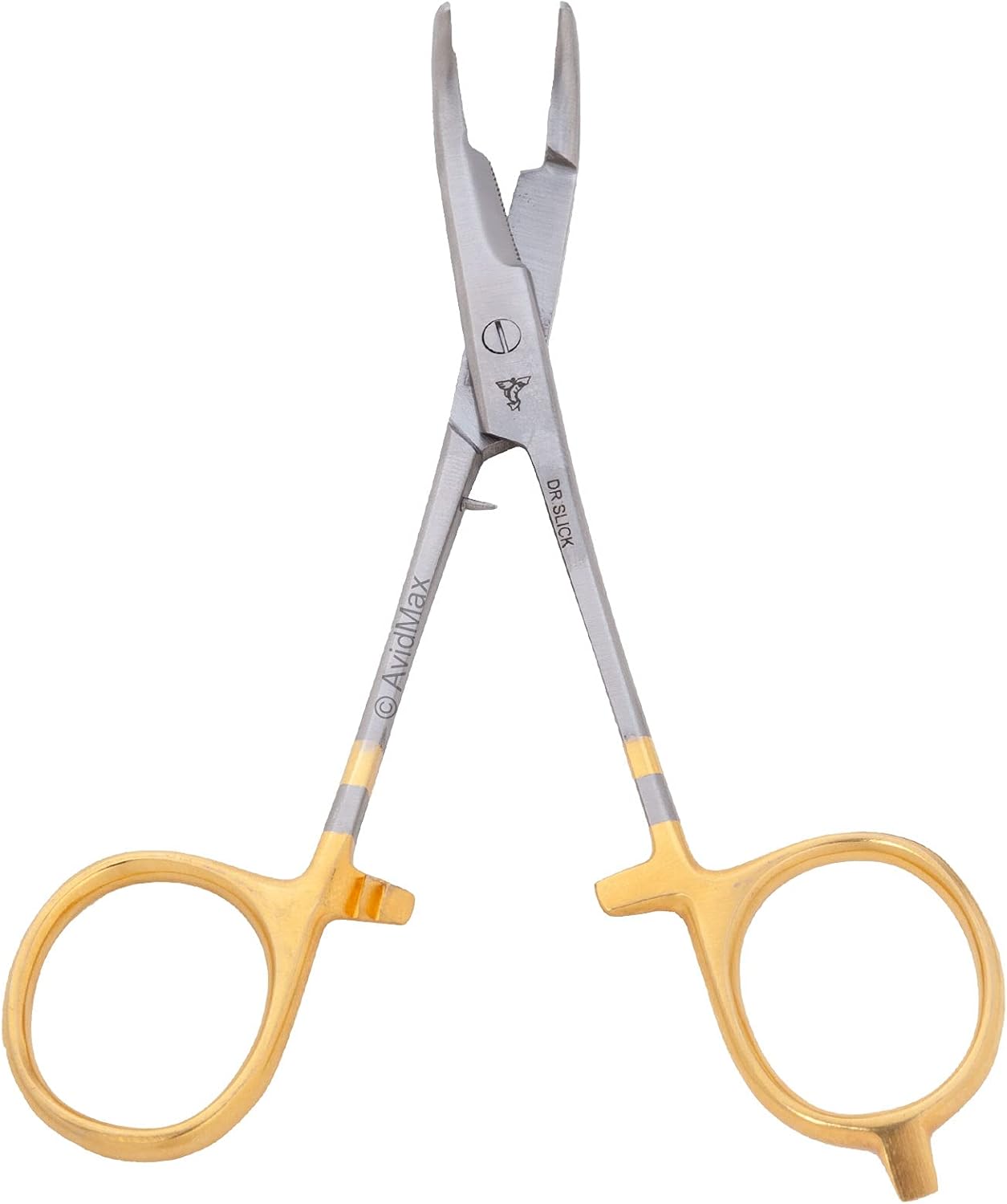
    Forceps/hemostats: For removing hooks quickly and safely, especially small flies from small fish. Protect your fingers and protect the fish.

    Dr. Slick curved forceps

    Dr. Slick Curved Forceps

    ➜ Buy on Amazon

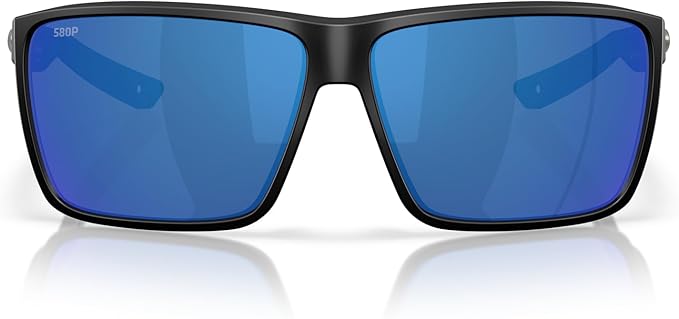
    Polarized sunglasses: The single best non-rod investment a trout angler can make. Polarized lenses let you see through the surface glare to spot fish, read bottom structure, and watch your fly drift. Going back to non-polarized sunglasses feels like fishing blind.

    Costa polarized fishing sunglasses

    Costa Polarized Fishing Sunglasses

    ➜ Buy on Amazon

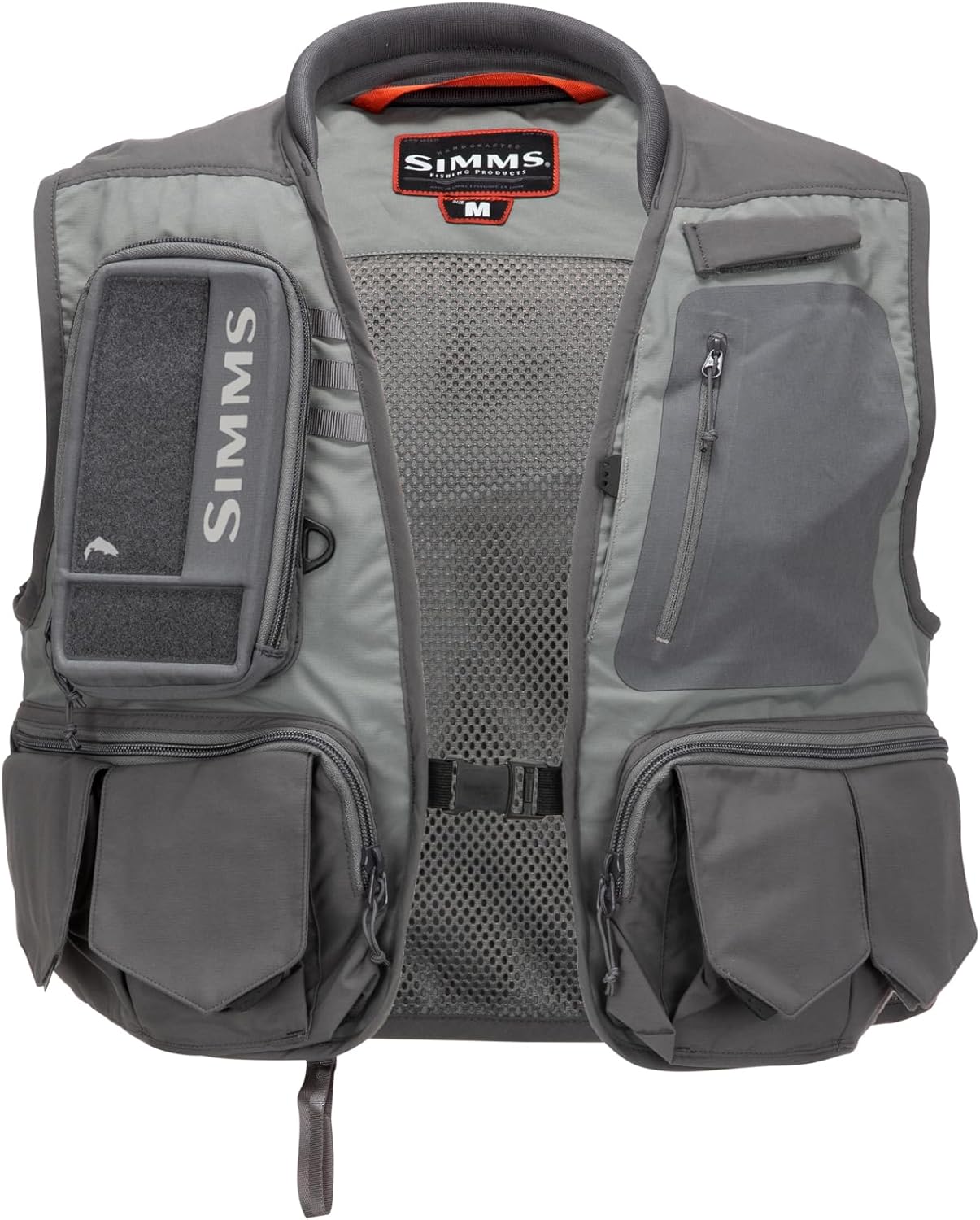
    Fishing vest or pack: Keeps flies, tippet, and tools accessible while wading.

    Simms Freestone vest pack

    Simms Freestone Vest Pack

    ➜ Buy on Amazon

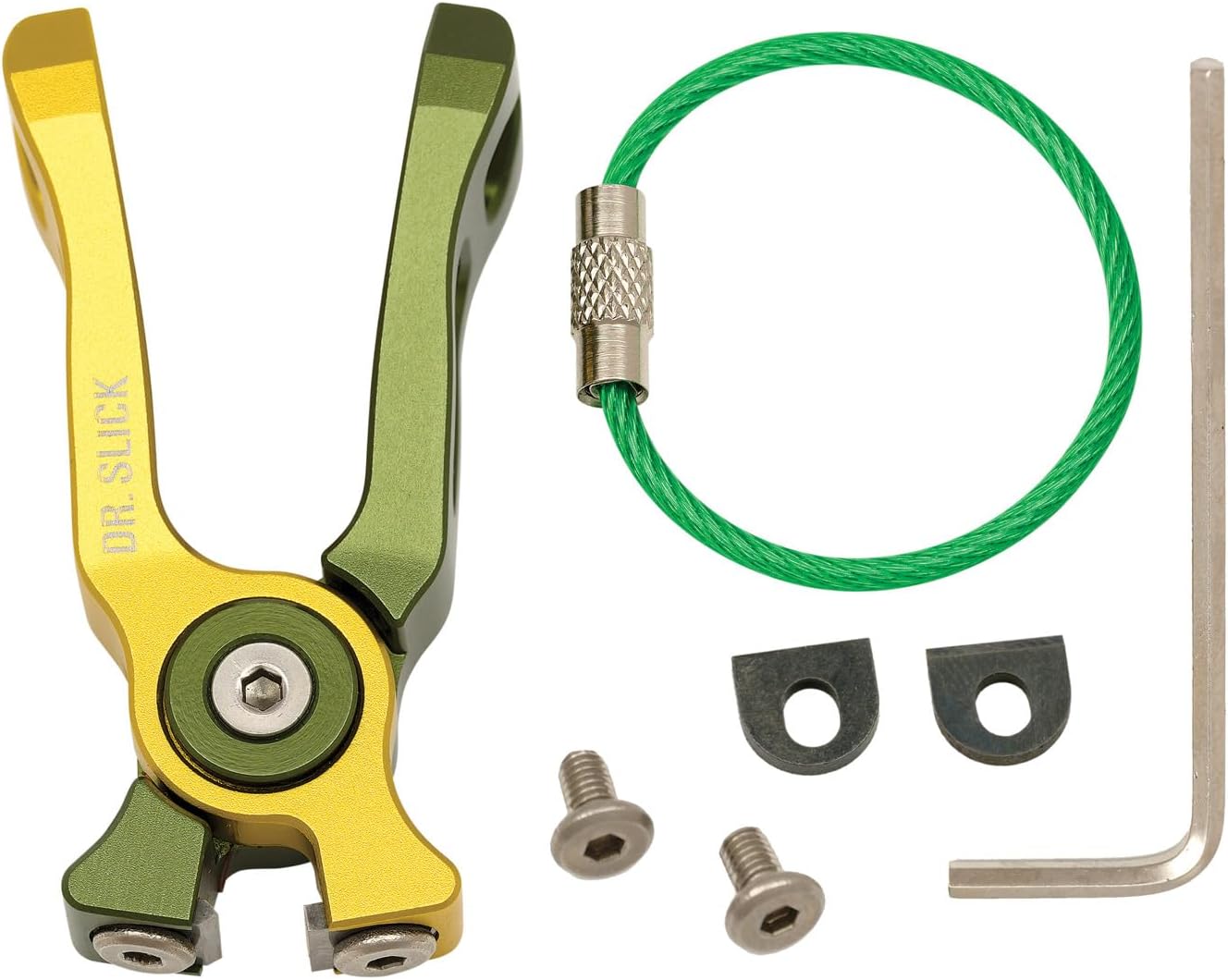
    Nippers: For cutting tippet and trimming fly hackle. A fisherman’s best friend.

    Dr. Slick Nippers

    Dr. Slick Nippers

    ➜ Buy on Amazon

    Strike indicators: For nymph fishing under a “bobber” — Thingamabobbers and yarn indicators are most common.

    Thingamabobber Strike Indicators

    Thingamabobber Strike Indicators

    ➜ Buy on Amazon

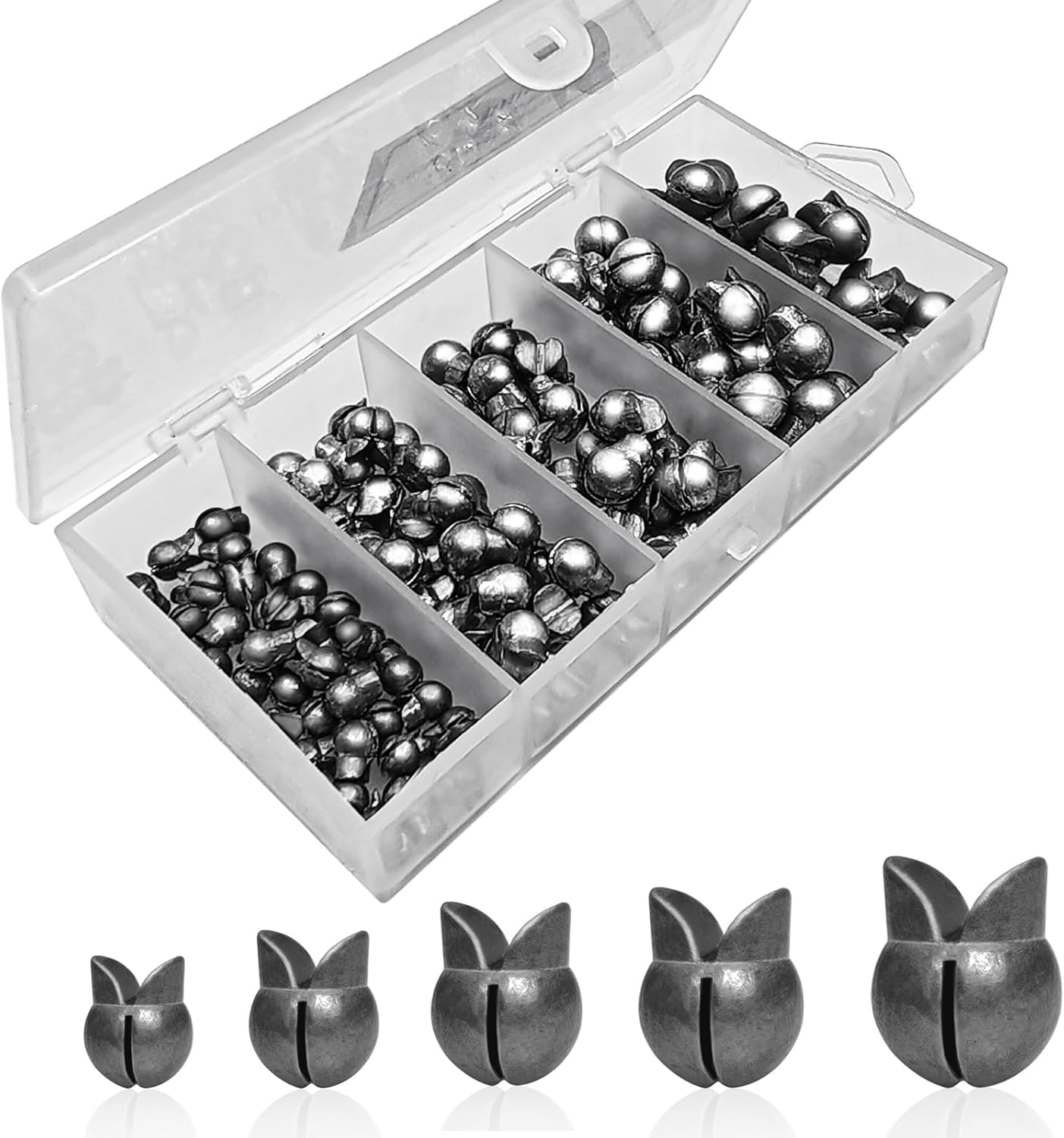
    Split shot: Adds weight to nymph rigs to get them down to depth.

    Removable Split Shot Assortment

    Removable Split Shot Assortment

    ➜ Buy on Amazon

    Gear by Budget

    Getting started under $150 (spin fishing):

    • Ugly Stik Elite ultralight combo (~$50) — rod and reel together
    • Berkley Trilene 4 lb line (~$8)
    • Panther Martin assortment + Rapala F05 (~$20)
    • PowerBait assortment (~$15)
    • Hook assortment (~$8)
    • Polarized sunglasses (~$20)

    This setup catches stocked trout at every SoCal lake and handles small-stream fishing anywhere. It’s the right place to start.

    Getting started fly fishing under $300:

    • Redington Crosswater outfit (rod + reel + line) (~$120)
    • Rio Powerflex tippet 5X (~$10)
    • Fly assortment (~$25)
    • Simms Tributary waders (~$130)

    A fly fishing outfit at this price is basic but functional. You’ll outgrow the rod before you outgrow the skills, but it’ll get you fishing. Once you’re hooked (pun intended), saving for a Clearwater is the next logical step.

    Frequently Asked Questions

    What is the best rod for trout fishing?

    For spin fishing: a 6-foot ultralight spinning rod. For fly fishing: a 9-foot, 5-weight. Both are versatile enough to handle most trout fishing situations, from small streams to medium-sized rivers to stocked lakes.

    What size hooks for trout?

    Size 10–14 for bait fishing. Size 12–18 for fly fishing nymphs and dry flies. Smaller hooks for smaller fish and clearer water.

    Do you need expensive gear to catch trout?

    No. Trout don’t care what your rod costs. An Ugly Stik and a jar of PowerBait will catch just as many stocked trout as a thousand-dollar fly rod. Where expensive gear matters is in the experience — a good fly rod loads and casts predictably in a way a cheap one doesn’t, and quality waders mean you can fish all day. But for pure fish-counting, the gear is not the limiting factor. The angler is.

    What should I buy first?

    A quality spinning combo (~$50), some line, and a handful of Panther Martins. That setup will catch fish anywhere trout live. Add waders and fly gear later when you know you’re in for the long haul.


    Related Guides


    About the Author

    By Kenny — SoCal angler who learned trout fishing during college years in Fort Collins, Colorado (Poudre, Horsetooth, Estes Park) and now fishes the Sierras and SoCal lakes with my daughter Scarlett. No steelhead or salmon yet, and no ice fishing — those are on the list.
  • Trout Species Guide: Rainbow, Brown, Brook, Lake, Cutthroat & More

    Trout Species Guide: Rainbow, Brown, Brook, Lake, Cutthroat & More

    North America has more trout species and subspecies than any other continent. A mix of native fish isolated by the last ice age and European introductions that took hold in the 1880s means you can fish for rainbow, brown, brook, lake, cutthroat, and steelhead — each requiring different tactics — all within US waters.

    Understanding the species is the foundation of trout fishing. Each has distinct habitat preferences, feeding behavior, and seasonal patterns. Knowing your target determines where you fish, when you fish, and what you throw. A technique that crushes brown trout on the Poudre might not move a brook trout in a small Estes Park creek, and what works for stocked rainbows at Big Bear Lake is mostly useless on wild cutthroat.

    Rainbow Trout (Oncorhynchus mykiss)

    The rainbow is the most widely distributed and most frequently caught trout in North America. Native to Pacific drainages from Alaska to Baja California, it’s been stocked so widely that you can now catch them from Maine to Hawaii. Every SoCal kid who’s pulled a trout out of Dixon, Big Bear, or Irvine Lake has caught a rainbow.

    Identification: The pink-to-red lateral band running down the body is the defining mark. Black spots on the back, sides, and fins. Coloration varies dramatically — hatchery fish are pale; wild stream fish are brilliantly marked; lake-dwelling fish can appear nearly silver. A wild Poudre River rainbow looks almost like a different species from a freshly-stocked Big Bear fish.

    Habitat: Cold, well-oxygenated water from 50–65°F. Rivers, streams, tailwaters, alpine lakes, and reservoirs. Rainbows tolerate a wider temperature range than brook or cutthroat, which is a big reason they’re the default stocked species nationwide.

    Behavior: Active feeders, particularly on insects. In rivers, they hold in current seams and rising lies during hatches. In lakes, they roam open water following baitfish and temperature breaks. Generally the most aggressive and catchable of the trout species.

    Size: Most stocked fish run 10–16 inches. Wild river fish commonly 12–20 inches. Reservoir fish and tailwater fish can exceed 24 inches and 8+ pounds. The world record exceeds 48 pounds.

    Best techniques: Dry flies, nymphs, spinners, spoons, PowerBait, worms, trolling. Rainbows will eat just about anything in front of them if conditions are right. See our complete rainbow trout fishing guide.

    Brown Trout (Salmo trutta)

    Introduced from Germany and Scotland in the 1880s, brown trout have naturalized throughout North America and become one of the most prized gamefish on the continent. They’re significantly harder to catch than rainbows — large browns become almost entirely nocturnal and nearly uncatchable during daylight hours. The biggest brown in any river is probably still there, probably still eating, and probably hasn’t been caught in years.

    My experience with browns was mostly on the North Poudre in Colorado during college. Those fish taught me more about trout fishing than any other. The consistent lesson: if a brown is the dominant fish in a pool, everything else is secondary — they take the best lies and push smaller rainbows and brookies out.

    Identification: Golden-brown to olive body with black spots surrounded by light halos, and red or orange spots on the sides. The most distinctive color of any common trout. Large fish develop a hooked lower jaw (a “kype”).

    Habitat: Slightly warmer water tolerance than rainbows — survives to 75°F but prefers 55–65°F. Thrives in larger rivers and streams with heavy cover — deep pools, undercut banks, log jams, bridge pilings. Browns are territorial and dominant — they push other trout out of the best holding water.

    Behavior: Opportunistic and predatory as they grow. Small browns eat insects; fish over 16 inches increasingly eat other fish, crawfish, frogs, and even small mammals. Predominantly nocturnal in pressured water, which is why streamer fishing at dawn and dusk produces more big browns than any daylight technique.

    Size: Commonly 12–20 inches in most rivers. Trophy fish 24+ inches occur in tailwaters, large rivers, and lakes. The world record exceeds 40 pounds.

    Best techniques: Large dry flies (hoppers, Stimulators), streamers at dawn and dusk, large spinners and spoons, fishing after dark with big lures. See our complete brown trout fishing guide.

    Brook Trout (Salvelinus fontinalis)

    Technically a char, not a true trout — but nobody calls them anything other than “brookies.” The native salmonid of eastern North America and one of the most beautiful freshwater fish on the continent. The vermiculation (worm-like pattern) on the back plus the red spots with blue halos is nothing else in freshwater.

    I caught my share of brook trout in small streams around Estes Park. Two things stand out. First, the color is more striking in person than any photograph conveys. Second, you consistently pull them out of water that looks too small to hold a fish that size — a thin ribbon of creek running through a meadow turns out to have 10-inch brookies stacked in every pool.

    Identification: Distinctive worm-like markings (vermiculation) on the back and dorsal fin. Red spots with blue halos on the sides. Lower fins with white-and-black leading edges — unmistakable when you see it. Fall spawning fish develop brilliant orange-to-red bellies.

    Habitat: The most cold-sensitive common trout — requires water below 65°F, prefers 55–60°F. Pristine, cold headwater streams with high dissolved oxygen. The remote, hard-to-reach water that holds wild brookies is a big part of their appeal.

    Behavior: Aggressive and relatively easy to catch compared to browns. Will rise to almost any fly or lure presented naturally near cover. Less selective than browns on fly pattern. Often the first fish to eat in any given stream.

    Size: Typically 6–12 inches in native headwater streams. Lake-dwelling fish can grow much larger — 15+ inches is a notable brookie, trophies over 5 pounds exist in remote Canadian waters.

    Best techniques: Small dry flies, wet flies, tiny spinners, worms. See our complete brook trout fishing guide.

    Lake Trout (Salvelinus namaycush)

    Another char, and the largest of the North American trout species. Lake trout live in deep, cold water — often 50 to 100+ feet down in summer — and require specialized techniques. They’re slow-growing, long-lived (fish over 30 years old have been documented), and can reach extraordinary sizes.

    Identification: Gray to greenish body with cream-to-yellow irregular spots. Deeply forked tail — deeper than any other trout, which is a quick visual ID. Can be confused with lake whitefish, but the forked tail and spotting pattern separate them.

    Habitat: Deep, cold water. Great Lakes, deep glacial lakes from Minnesota to Maine, western reservoirs like Flaming Gorge, and across Canada and Alaska. Requires water below 55°F — shallow only during spring and fall when surface temperatures are cold.

    Behavior: Opportunistic predators feeding on smelt, cisco, and other deepwater baitfish. Concentrate at specific depth ranges following the thermocline, which is why a fish finder and depth control are essential.

    Size: Commonly 18–28 inches in Great Lakes tributaries. Trophy fish in remote Canadian lakes regularly exceed 30 pounds. The world record exceeds 102 pounds.

    Best techniques: Deep trolling with spoons and plugs, jigging heavy spoons near bottom, downrigger trolling. See our complete lake trout fishing guide.

    Cutthroat Trout (Oncorhynchus clarkii)

    The native trout of the American West. Multiple subspecies (at least 14 recognized) inhabit waters from the Rockies to the Pacific Coast — Yellowstone cutthroat, westslope, coastal, Lahontan, and more. Named for the red or orange slash marks under the lower jaw, which are the giveaway ID feature.

    Haven’t fished cutthroat in their native waters personally — Yellowstone and the wilderness rivers of Idaho/Montana are on my list. What I can tell you from the anglers and fishing writers I trust is that wild cutthroat in low-pressure waters are among the most cooperative trout in North America. They rise to dry flies readily and don’t require the finesse that pressured browns demand.

    Identification: The red or orange slash marks under the lower jaw are definitive. Black spots concentrated toward the tail on most subspecies. Coloration varies by subspecies — Yellowstone cutthroat are golden-yellow; westslope are more silver; coastal cutthroat can resemble steelhead.

    Subspecies: Yellowstone cutthroat (the Greater Yellowstone region), westslope (Montana, Idaho), coastal (Pacific Coast), Lahontan (Nevada, California — including the giant fish of Pyramid Lake), greenback (Colorado, federally threatened), and others.

    Habitat: Cold, clear mountain streams and lakes. Many subspecies are threatened by hybridization with non-native rainbows and competition from browns. The best populations exist in remote headwaters and protected watersheds.

    Behavior: Generally less wary than brown trout, particularly in wilderness settings. Rise readily to dry flies. In high-pressure areas they can become selective.

    Size: Varies by subspecies. Most stream fish 10–16 inches. Yellowstone Lake cutthroat average 14–18 inches. Lahontan cutthroat in Pyramid Lake grow to trophy sizes over 10 pounds.

    Best techniques: Dry flies, nymphs, small spinners. See our complete cutthroat trout fishing guide.

    Steelhead (Oncorhynchus mykiss)

    Sea-run rainbow trout — the same species as the rainbow, but individuals that migrate to the Pacific, spend 1–4 years feeding and growing at sea, then return to their natal river to spawn. The ocean feeding produces fish dramatically larger and stronger than resident rainbows. A fresh chrome steelhead out of salt water is one of the hardest-fighting fish in freshwater.

    I haven’t caught a steelhead yet. Every serious Pacific Northwest or Great Lakes angler I know rates it as their favorite fish. It’s the one missing from my North American list and probably the next thing I’ll travel for.

    Identification: Fresh-run steelhead are bright silver with minimal markings — they look more like salmon than rainbows. As they spend time in the river, they take on the pink lateral band and black spots of a classic rainbow. Size alone is a giveaway — any 10-pound “rainbow” in a Pacific Northwest river is a steelhead.

    Runs: Winter steelhead enter rivers from November through March, typically smaller fish (8–12 pounds average). Summer steelhead enter May through October, often staying in rivers for months — these are the primary targets for spey fly anglers on the Deschutes and North Umpqua.

    Habitat: Pacific Coast rivers from California to Alaska, plus Great Lakes tributaries where they were introduced and now run seasonally. California’s Eel, Trinity, and Klamath; Oregon’s Deschutes and Rogue; Idaho’s Clearwater; Washington’s Skagit and Hoh; Alaska’s Kenai and Situk.

    Size: Average 6–12 pounds. Trophy fish over 20 pounds are caught annually on top rivers. The world record exceeds 42 pounds.

    Best techniques: Swinging flies on two-hand (spey) rods, drift fishing with beads and roe, spinners and spoons. See our complete steelhead fishing guide.

    Other Species Worth Knowing

    Bull Trout (Salvelinus confluentus)

    A federally threatened char of cold, pristine Pacific Northwest and Rocky Mountain streams. Resembles a brook trout but lacks the vermiculation. Bull trout must be released immediately — know how to identify them if you’re fishing Montana, Idaho, Washington, or Oregon. Fines for keeping bull trout are serious.

    Tiger Trout

    A hybrid between brown trout (female) and brook trout (male) — sterile, with marbled markings unlike anything else. Stocked by some state hatcheries specifically for their aggressive feeding. Not a naturally occurring species, but a fun one to catch.

    Splake

    A hybrid between lake trout and brook trout. Grows faster than lake trout and is accessible at shallower depths. A popular ice fishing target in New England and the Great Lakes region.

    Frequently Asked Questions

    What is the most common trout in the US?

    Rainbow trout. They’re stocked in virtually every state and present in more waters than any other trout species. If you catch a trout at a public lake, chances are it’s a rainbow.

    What is the hardest trout to catch?

    Large brown trout in pressured rivers are generally considered the most difficult — they become highly selective and nocturnal as they age. Certain winter steelhead populations have a reputation for extreme difficulty, where anglers fish for days without a touch.

    Are brook trout good to eat?

    Yes — brook trout are considered among the finest eating of all trout species. Firm, delicate flesh with mild flavor. Wild brookies from cold headwater streams are especially good. That said, native brook trout populations are declining, and catch-and-release is the right ethic in most wild fisheries. Stocked ponds are a different story — keep a few if you want to eat them.

    What’s the difference between a trout and a char?

    Brook trout, lake trout, bull trout, Dolly Varden, and Arctic char are technically chars (genus Salvelinus), not true trout (genus Oncorhynchus or Salmo). The simple visual rule: chars have light spots on a dark background; true trout have dark spots on a lighter background. In practice, every angler calls them all “trout.”


    Related Guides


    About the Author

    By Kenny — SoCal angler who learned trout fishing during college years in Fort Collins, Colorado (Poudre, Horsetooth, Estes Park) and now fishes the Sierras and SoCal lakes with my daughter Scarlett. No steelhead or salmon yet, and no ice fishing — those are on the list.
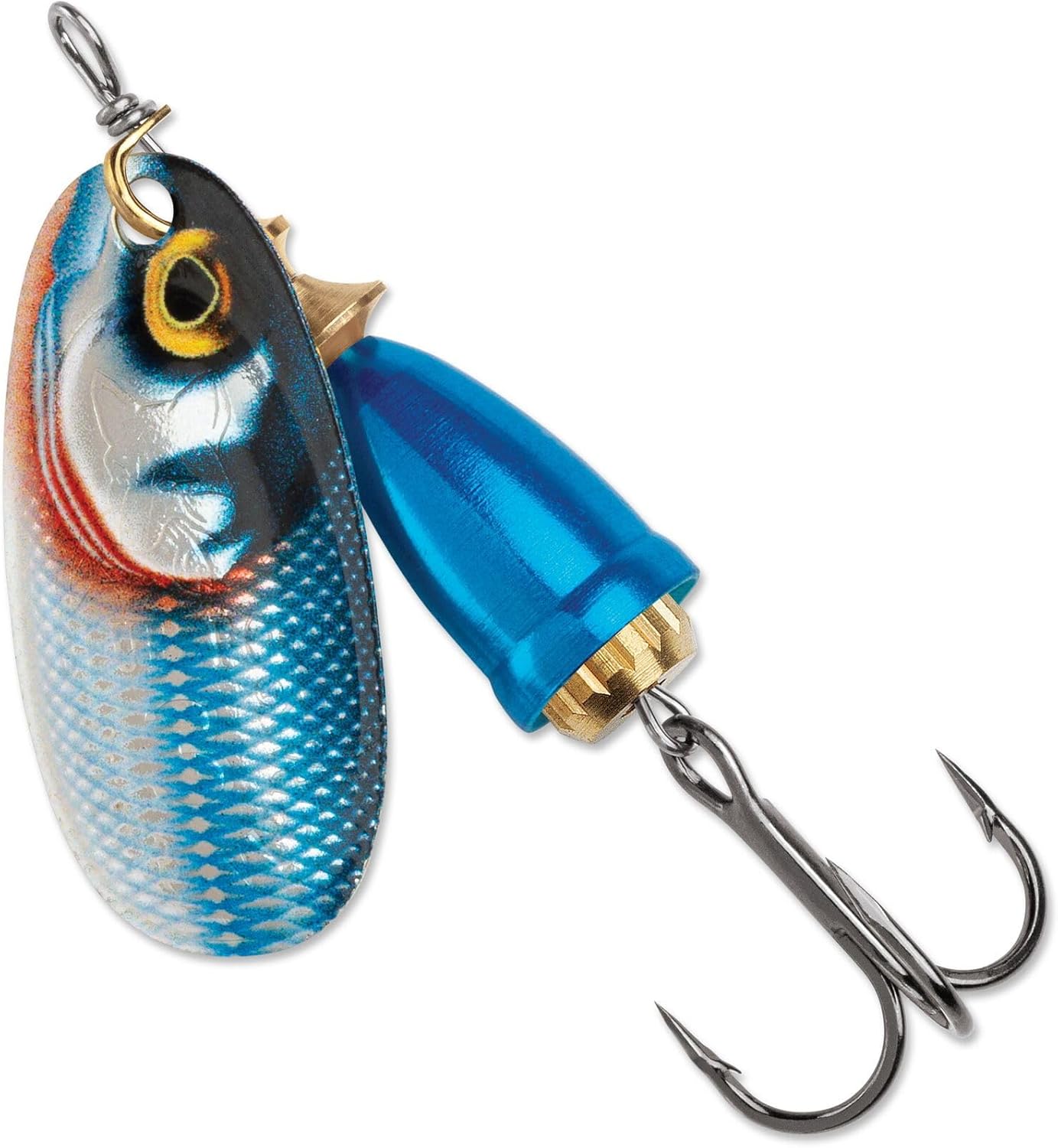
  • Trout Fishing Guide: The Complete Resource for Every Angler

    Trout Fishing Guide: The Complete Resource for Every Angler

    Trout fishing is one of the most accessible and rewarding kinds of fishing in North America. A kid with a spinning rod and a jar of PowerBait at a stocked SoCal lake is trout fishing. A fly angler waist-deep in the Poudre River working a dry fly into a riffle is trout fishing. A guy drilling holes through 2 feet of Great Lakes ice is trout fishing. The species, techniques, and water all vary wildly — but the appeal is the same.

    I grew up fishing Southern California lakes and then spent my college years in Fort Collins, Colorado, where I learned most of what I actually know about trout. Horsetooth Reservoir, the North Fork of the Poudre, the streams around Estes Park — that’s the water that taught me the difference between dragging a worm around a stocked pond and actually reading a river. This guide covers everything a new or intermediate trout angler needs: the six main species, where to find them, what techniques work, what gear you actually need (not just what’s most expensive), and how to plan a trip wherever you are.

    Trout Species: Know Your Target

    Six species make up the core of American trout fishing. They live in different water, behave differently, and react to different presentations. The biggest mistake new anglers make is treating all trout the same. See our complete species guide for side-by-side detail.

    Rainbow Trout

    The rainbow is the most widely distributed trout in North America and the one most anglers catch first. Native to Pacific drainages from Alaska to Mexico, it’s been stocked into almost every state — including the SoCal lakes I fished as a kid (Dixon, Big Bear, Irvine). Rainbows are aggressive, hit a wide variety of presentations, and jump repeatedly when hooked. They also tolerate a wider temperature range than brook or cutthroat, which is partly why they’re the go-to stocker. See our rainbow trout fishing guide.

    Brown Trout

    Brought over from Europe in the 1880s and now the most challenging common trout in American water. Browns grow large, go nocturnal as they age, and become almost uncatchable in daylight once they hit 20+ inches. The brown that eats a size-14 nymph at noon is rare. The one that crushes a big streamer at last light is the one you remember. See our brown trout fishing guide.

    Brook Trout

    The native eastern trout, and in my opinion the most beautiful freshwater fish on the continent. The vermiculation pattern on the back plus the red spots with blue halos — nothing else in freshwater looks like that. Brookies live in cold, high-quality water, which is part of why finding them feels like a reward. I caught plenty of them in small streams around Estes Park; you always pull them out of water that doesn’t look like it could hold a fish that size. See our brook trout fishing guide.

    Lake Trout

    The deep-water specialist. Lake trout live in cold water 50–100+ feet down in big lakes and require different tactics than any other trout — downriggers, lead core line, heavy jigging spoons. They grow huge (the world record tops 100 pounds) and live a long time (30+ years documented). Not a stream fish. See our lake trout fishing guide.

    Cutthroat Trout

    The native trout of the American West, named for the red or orange slash under the jaw. Multiple subspecies — Yellowstone, westslope, coastal, Lahontan. Cutthroat are generally less wary than browns and readily take dry flies in wilderness settings, which is part of what makes Yellowstone-area fishing so special. See our cutthroat trout fishing guide.

    Steelhead

    A sea-run rainbow. Same species as the rainbow, but individuals that go to the ocean, spend 1–4 years feeding, and come back to spawn at 8–15+ pounds. I haven’t caught one yet — still on my list — but the anglers who’ve chased them will tell you a fresh chrome steelhead is one of the hardest-fighting fish in freshwater. See our steelhead fishing guide.

    Where to Find Trout

    Reading the Water

    Trout live where the food is. In rivers and streams that means current seams — the transition between fast and slow water where drifting food concentrates. Riffles oxygenate the water and produce insects; the runs and pools below them are where trout hold and feed. The outside bends of rivers, undercut banks, deep pockets behind boulders, and anything that breaks the current are prime lies.

    One thing that still gets me on trout streams: you’ll walk up on a piece of water that looks way too small or too shallow to hold a real fish, and pull out an 18-inch brown. A small feeder creek off the North Poudre shouldn’t have had the trout it had. If the water is cold, clean, and has some structure to break current, assume fish are there until proven otherwise. See our complete guide to reading water and finding trout.

    Temperature and Season

    Trout are cold-water fish. Their active feeding range is 50–65°F. Above 68°F they get stressed and lethargic. Above 75°F you should stop fishing — fighting a trout in warm water often kills it even if you release it. Knowing water temp drives almost everything: when fish feed, where they hold in the water column, what they want to eat.

    And on the cold end of that range: stepping into a Colorado trout stream in early season is a physical shock. The water coming off the snowpack is brutal. My first few times wading the Poudre in April, I underestimated how cold 45°F water actually feels on bare legs. Good waders are the difference between a full day and quitting after an hour. See our guide to the best times to fish for trout.

    Trout Fishing Techniques

    Fly Fishing

    Fly fishing is the traditional approach for trout in moving water, and for good reason — a well-presented fly is often the most natural-looking thing you can put in front of a trout. The line carries the fly (opposite of conventional fishing, where the lure weight carries the line), which lets you present nearly weightless flies softly on the surface or in the drift.

    Fly fishing is more engaging than bait fishing. You’re constantly casting, reading water, managing drift, changing flies. The learning curve is real and the gear isn’t cheap — but quality gear makes a genuine difference in the experience. A cheap rod casts poorly and frustrates you into quitting. A good rod does what you ask it to do. If you’re serious about getting into fly fishing, my honest advice is to spend the money on a decent starter setup. You’ll enjoy the process more and you’ll stick with it. I’m biased because I love fishing, but I’ve never met someone who regretted buying a quality fly rod. See our complete fly fishing guide.

    Spin Fishing

    Spinning gear is the most versatile approach for trout and works in virtually every situation — rivers, streams, lakes, and reservoirs. Small spinners (Panther Martins, Mepps), spoons (Kastmaster), and minnow plugs (Rapala Original) catch trout consistently. A quality spinning rig costs a fraction of a fly setup and the learning curve is much shorter. For most people, spinning is the right place to start. See our spin fishing guide.

    Bait Fishing

    PowerBait on a stocked lake is how most of us got into fishing in the first place, and it’s still the most effective method for recently-stocked rainbows. Also, to be honest, it can be boring. You’re sitting on a bank with a rod in a holder waiting for a tip tap tap. On a cold morning, it’s a test of willpower. The payoff is that it works — especially for kids who need action to stay interested, and particularly on the SoCal lakes where stocked trout are the whole fishery. See our PowerBait and stocked trout guide.

    Trolling

    For lake trout and reservoir rainbows holding at depth, trolling covers water efficiently and reaches fish at their exact depth. Downriggers and lead-core line give you precise depth control. This is how I’ve always fished places like Lake Isabella when the summer fish are down in 40+ feet. See our trout trolling guide.

    Ice Fishing

    In northern states, frozen lakes open up access to lake trout, brook trout, and splake that you can’t reach in summer. I haven’t ice fished myself — living in SoCal means I’ve never needed to — but from everything I’ve read and heard from anglers who do it, it’s one of the more addictive forms of trout fishing once you get set up. See our ice fishing guide.

    Trout Fishing Gear Essentials

    The gear you need depends on your method and target species. Full recommendations are in our complete gear guide, but here are the essentials:

    Fly Fishing

    • Fly rod: 9-foot, 5-weight is the standard all-around trout rod. Covers dry flies, nymphs, and light streamers on most trout water. ➜ Orvis Clearwater 9ft 5wt Fly Rod
    • Fly reel: A quality large-arbor reel with smooth drag. For most trout fishing the reel is primarily line storage, but drag matters if you hook into a big fish. ➜ Redington Behemoth Fly Reel
    • Fly line: Weight-forward floating line in the matching rod weight. Good line matters more than a good rod — skimp on the rod before the line. ➜ Rio InTouch Gold Fly Line
    • Leader and tippet: 9-foot tapered leader with 5X tippet covers most dry fly and nymph situations. ➜ Rio Powerflex Tippet
    • Waders: Breathable waders for most conditions. Your first pair of wet feet in 45°F water will convince you quickly. ➜ Simms Tributary Waders

    Spin Fishing

    Top Trout Fishing Destinations

    The best trout water in America spans from the Appalachians to Alaska. I’ve fished a decent slice of it — years in Colorado gave me the Front Range, Poudre, and Estes Park streams, and SoCal trips put me on the Kern, Lake Isabella, Dixon, Big Bear, and Irvine. Everything else on the list below is on my want-to list. See our complete destination guide for detailed coverage.
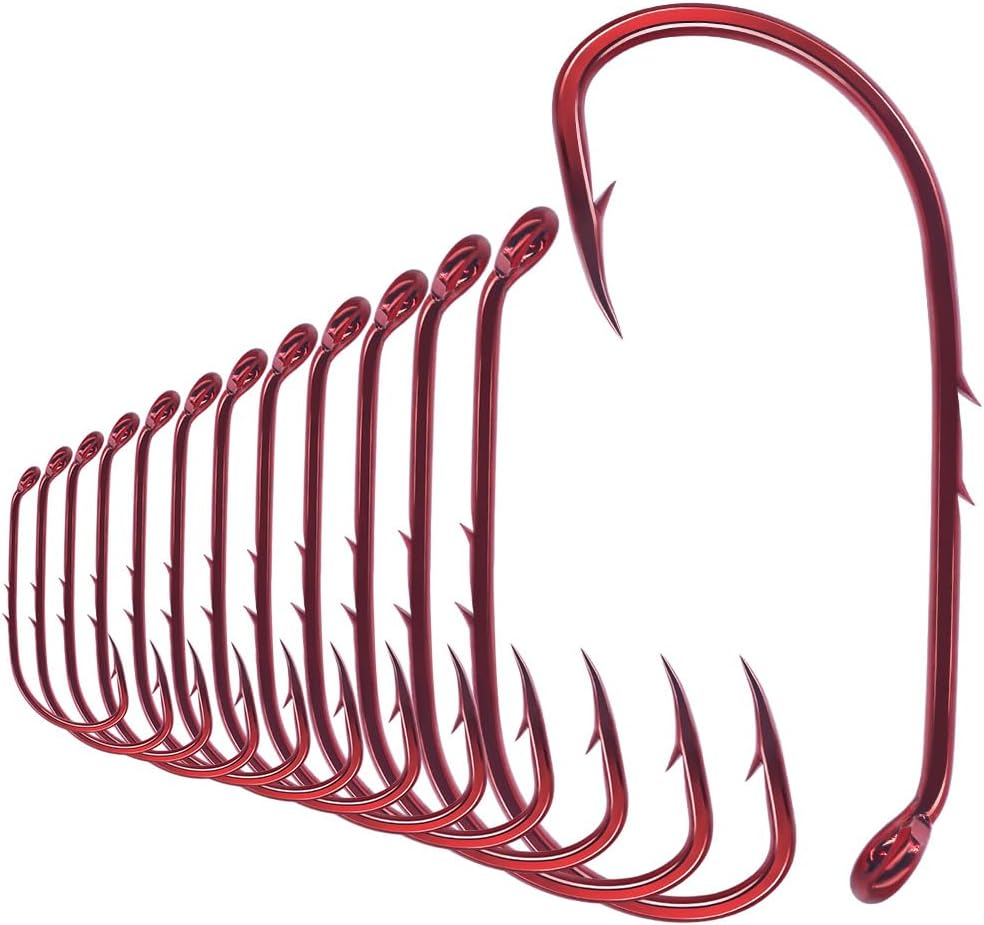
    Trout Fishing Regulations

    Trout fishing regulations vary significantly by state, water body, and season. Key things to know:

    • A valid state fishing license is required in virtually every state
    • Many premium trout waters have special regulations — catch-and-release only, artificial lures only, or trophy minimum size limits
    • National parks (Yellowstone, Great Smoky Mountains, Rocky Mountain) require a separate park fishing permit in addition to a state license
    • Some species (bull trout, certain cutthroat subspecies) are federally protected — know what you’re catching

    See our complete regulations guide and our fishing license guide for state-by-state details.

    Frequently Asked Questions

    What’s the best bait for trout?

    For stocked trout, PowerBait in chartreuse or rainbow colors is the most consistently effective bait — it’s specifically engineered to match what hatchery fish are fed. For wild trout, small worms, salmon eggs, and small spinners all produce. In streams and rivers, flies and small lures often outperform natural bait on wild fish.

    What time of day is best for trout fishing?

    Early morning (first light to 9 AM) and evening (5–8 PM) are consistently the most productive periods. Midday can be slow except during active insect hatches or on overcast days. In summer, trout feed most actively during the coolest parts of the day.

    What size hook for trout?

    Size 10–14 hooks for most bait fishing situations. Size 12–16 for nymphs and dry flies. Go smaller in clear, low water and when fish are finicky.

    What pound test line for trout?

    4–6 lb monofilament is standard for most trout spin fishing. For fly fishing, 5X tippet (about 4.75 lb) handles most dry fly and nymph situations. In stained water or for larger fish, go heavier.

    Do trout bite in cold weather?

    Yes — trout are cold-water fish and remain active in water as cold as 38–40°F, though feeding slows significantly below 45°F. Tailwaters that maintain 45–55°F in winter can fish well even in cold climates. Stocked ponds often go completely dead when the water drops, which is partly why spring and fall are better than winter for most casual trout anglers.

    Is fly fishing worth the investment over spinning?

    Depends what you want out of fishing. Spinning is cheaper, easier to learn, and catches fish anywhere trout live. Fly fishing is more engaging on a moment-to-moment basis — you’re always doing something, reading water, adjusting, problem-solving. The gear is expensive and the learning curve is real, but quality fly gear makes a real difference in the experience and I’d rather buy one good setup than a cheap one I don’t enjoy using. I do both, but fly fishing is what I reach for when I really want to fish. Plan for a season of learning before it all clicks.


    Start Here

    Related Guides


    About the Author

    By Kenny — SoCal angler who learned trout fishing during college years in Fort Collins, Colorado (Poudre, Horsetooth, Estes Park) and now fishes the Sierras and SoCal lakes with my daughter Scarlett. No steelhead or salmon yet, and no ice fishing — those are on the list.